
Day trips & escapes
The 7 best hikes near Nairobi, ranked by difficulty
Seven hikes within two and a half hours of Nairobi, ranked from a 90-minute forest loop to a 3,590m Aberdare summit, with distances, park fees in KSh and honest verdicts on each.
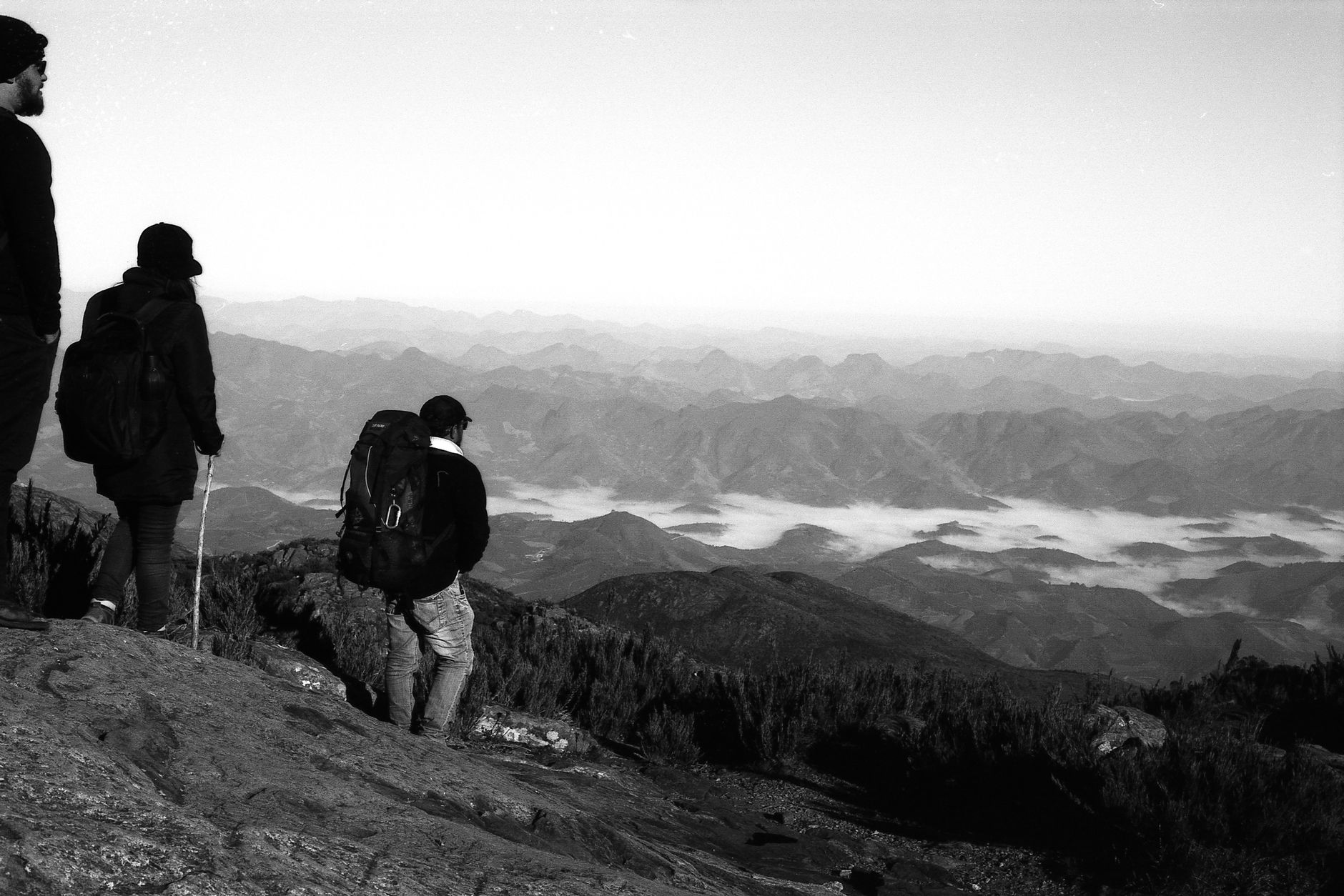
The seven, easiest to hardest
1. Oloolua Nature Trail in Karen, 5km of forest and a waterfall, doable in trainers before lunch. 2. Kereita Forest in the Aberdare foothills, an hour and a half north, with a waterfall walk and a zipline for people who need a reason. 3. Ngong Hills, the seven-summit ridge above Kajiado, 13km one way along the most famous skyline in the region. 4. Ol Donyo Sabuk near Machakos, a 9km road climb through buffalo country to a 2,145m summit. 5. Mount Suswa, a volcanic crater with lava caves and Maasai-owned land, rough access.
6. Mount Longonot above Naivasha, the 2,776m Rift Valley cone with a punishing crater rim circuit. 7. Elephant Hill in the Aberdares, 3,590m, boggy, cold and the hardest day walk within reach of the city. Fitness rather than technical skill is the divider: nothing here needs ropes. If you want one hike and one only, do Ngong Hills for the views and the logistics, or Longonot if you want your legs to know about it the next day. Skip nothing on this list for being unfashionable; skip things for being wrong for your fitness.
1 and 2. Oloolua and Kereita, the soft options
Oloolua Nature Trail runs through indigenous forest on the Institute of Primate Research land in Karen, about 5km of loops past a small waterfall, a cave and a river. Entry for non-residents is usually a few hundred shillings to around KSh1,000, and the whole thing takes 90 minutes at a stroll. Colobus and Sykes monkeys are near guaranteed. It is the best hangover walk in Nairobi and the right first outing if you have just landed and are still adjusting to 1,700m of altitude. Wear closed shoes; the red soil turns to grease after rain.
Kereita, on the southern edge of the Aberdare range past Limuru, is roughly 90 minutes from Westlands on the A104 and then a dirt access road. The forest walk to Kereita Falls is 4-6km depending on route, cool and often misty, at around 2,400m. Operators on site run a zipline of about 2km across the valley for roughly KSh2,500-3,500, plus mountain biking and archery. Entry to the forest area sits in the KSh500-1,000 band. It suits families and mixed-fitness groups. Go on a weekday: Sundays bring Nairobi crowds and the parking overflows.
3. Ngong Hills, the ridge everyone should walk
The Ngong Hills run southwest of the city on the Kajiado boundary, a green ridge of seven summits with the Rift Valley falling away on one side and Nairobi's suburbs spreading on the other. The classic walk starts at the Kenya Forest Service gate above Ngong town and runs the full ridge, about 13km with roughly 500m of cumulative ascent across the humps, taking four to five hours. Fees are modest, typically a few hundred shillings for citizens and around KSh600-1,000 for non-residents, and the wind turbines along the crest are a reliable landmark.
Two practical points. First, hire a ranger escort at the gate, around KSh2,000-3,000 for a group, which is the standard local advice after past incidents of robbery on quiet stretches. Second, arrange your pickup at the far end near Corner Baridi on the Magadi Road, because backtracking doubles the day. Getting there from Karen takes 40 minutes, from Westlands 60-90. Go early: cloud usually builds by noon and on a clear July morning you can see Kilimanjaro from the ridge. This is the best value hike near Nairobi, full stop.
4 and 5. Ol Donyo Sabuk and Mount Suswa
Ol Donyo Sabuk, called Kilimambogo locally, sits about 65km northeast via Thika Road, roughly 90 minutes door to gate. It is a Kenya Wildlife Service park, so non-resident entry runs around KSh2,800-3,200 per adult, and the walk is a 9km track climb to a 2,145m summit through forest full of buffalo. Because of the buffalo, an armed ranger is compulsory rather than optional, at around KSh3,000 per group. Allow five hours return. The Fourteen Falls on the Athi River sit ten minutes from the gate and are worth the detour after rain.
Mount Suswa is the wilder proposition: a volcano in the Rift floor about two and a half hours from Nairobi via Mai Mahiu, with a rough final track that needs a high-clearance vehicle. The draw is the lava tube cave system, including the baboon parliament chamber, and the outer crater rim walk with steam vents. Land is Maasai community-owned, so you pay a community conservancy fee of roughly KSh1,000-2,000 plus a local guide, which is essential because the caves are genuinely disorienting. Camp overnight if you can; day-tripping it makes for a long, dusty day.
6. Mount Longonot, the one that hurts
Longonot is 90km from Nairobi on the A104 down the escarpment past the Rift Valley viewpoint, then a short turn from Longonot town, about 90 minutes to two hours in light traffic. The climb from the KWS gate to the crater rim is 3.1km of steep, loose volcanic scree gaining around 600m, and most people take 60-90 minutes on the way up. Non-resident park fees run around KSh3,300-3,500 per adult. There is no shade and no water past the gate, so carry two litres per person minimum.
The decision at the rim is whether to do the full 7.2km circuit. It has real ups and downs, another 300m of cumulative climbing, sections of narrow path with big drops, and it takes two to three hours. The reward is the view down into the forested crater floor and across to Lake Naivasha. Do it if you are fit and started before 8am; turn back if you are hiking at midday in February heat. Combine with a Naivasha boat trip or a night by the lake rather than driving back to Nairobi shattered.
7. Elephant Hill, the hardest day out
Elephant Hill sits in the Aberdare range above Njabini, roughly two hours from Nairobi via the Naivasha road and Kinangop. The route climbs from around 2,600m to 3,590m through bamboo, moorland and open bog, and it is 15-18km return with a serious 900m of ascent. Eight hours is normal, ten is common if the mud is bad. Weather is the real difficulty: it can be 25 degrees in Nairobi and 5 degrees with sleet on the summit, and hikers have got into genuine trouble here in cold rain.
Fees are Kenya Wildlife Service Aberdare rates, in the region of KSh6,000-7,000 for non-residents, plus a guide, which you should treat as compulsory because the trail braids badly in the bamboo. Go with one of the Nairobi hiking groups that runs it most weekends, typically KSh3,500-6,000 per person including transport from a CBD or Westlands meeting point. Bring a waterproof shell, gaiters or old trainers you can ruin, gloves, and 2.5 litres of water. Do not attempt it as your first hike at altitude, and do not attempt it in the April or November rains.
Kit, seasons and getting there without a car
The dry months, late June to early October and again January to February, give the firmest ground and the clearest views; Kilimanjaro shows from Ngong most often in July and August. April, May and November are the wet windows, when Elephant Hill turns to bog and the Suswa track becomes a problem. Every hike here is above 1,700m, so the sun burns even on a cool day. Take a wide brim, sunblock, two litres of water, and something warm for summits, because Longonot's rim and the Ngong crest are both windy year round.
Without a car, the simplest route is one of Nairobi's weekend hiking clubs, which run 40-seat buses from the CBD or Westlands and charge KSh2,500-6,000 per person including park fees for the closer peaks. A private driver for a Longonot day runs roughly KSh12,000-18,000 for the vehicle. Matatus reach Ngong town and Longonot town cheaply, under KSh300, but you then need a boda boda for the last stretch and you own the return timing problem. For Ngong Hills, the club option is the one I would book.
Questions, answered
Which hike near Nairobi is best for a first-timer at altitude?
Ngong Hills. You can walk two summits and turn back whenever you like, the path is obvious, and the whole ridge sits between 2,100m and 2,460m, only a few hundred metres above the city. Oloolua in Karen is even easier if you want a forest hour rather than a ridge day.
Do I need a guide or ranger for these hikes?
Yes for three of them. Ol Donyo Sabuk requires an armed ranger because of buffalo, Suswa needs a local guide for the cave system, and Ngong Hills is safer with a Kenya Forest Service escort. Longonot and Oloolua are fine unguided. Budget KSh2,000-3,000 per group for an escort.
How much are park fees for Longonot and Ol Donyo Sabuk?
Both are Kenya Wildlife Service parks. Non-resident adult entry is around KSh3,300-3,500 at Longonot and roughly KSh2,800-3,200 at Ol Donyo Sabuk, payable by card or mobile money at the gate. Kenyan citizens and residents pay far less, so carry ID if you qualify.
What is the best month for hiking around Nairobi?
July to September. The ground is dry, temperatures on the ridges sit around 15-20 degrees, and long-range visibility peaks, which is when Kilimanjaro appears from Ngong Hills. Avoid mid-March to May and late October to November, when the long and short rains make Elephant Hill and the Suswa access track miserable.
Doing good is the business: every booking through Stay Nairobi funds one verified tonne of carbon removal — same room, same price, no markup.
Start your search