
Day trips & escapes
A week in Kenya's Central Highlands: the driving route from Nairobi
Seven days, roughly 780 kilometres of driving and four beds, looping Nairobi to Sagana, Nyeri, the Aberdares, Nanyuki and Mount Kenya's northern shoulder.
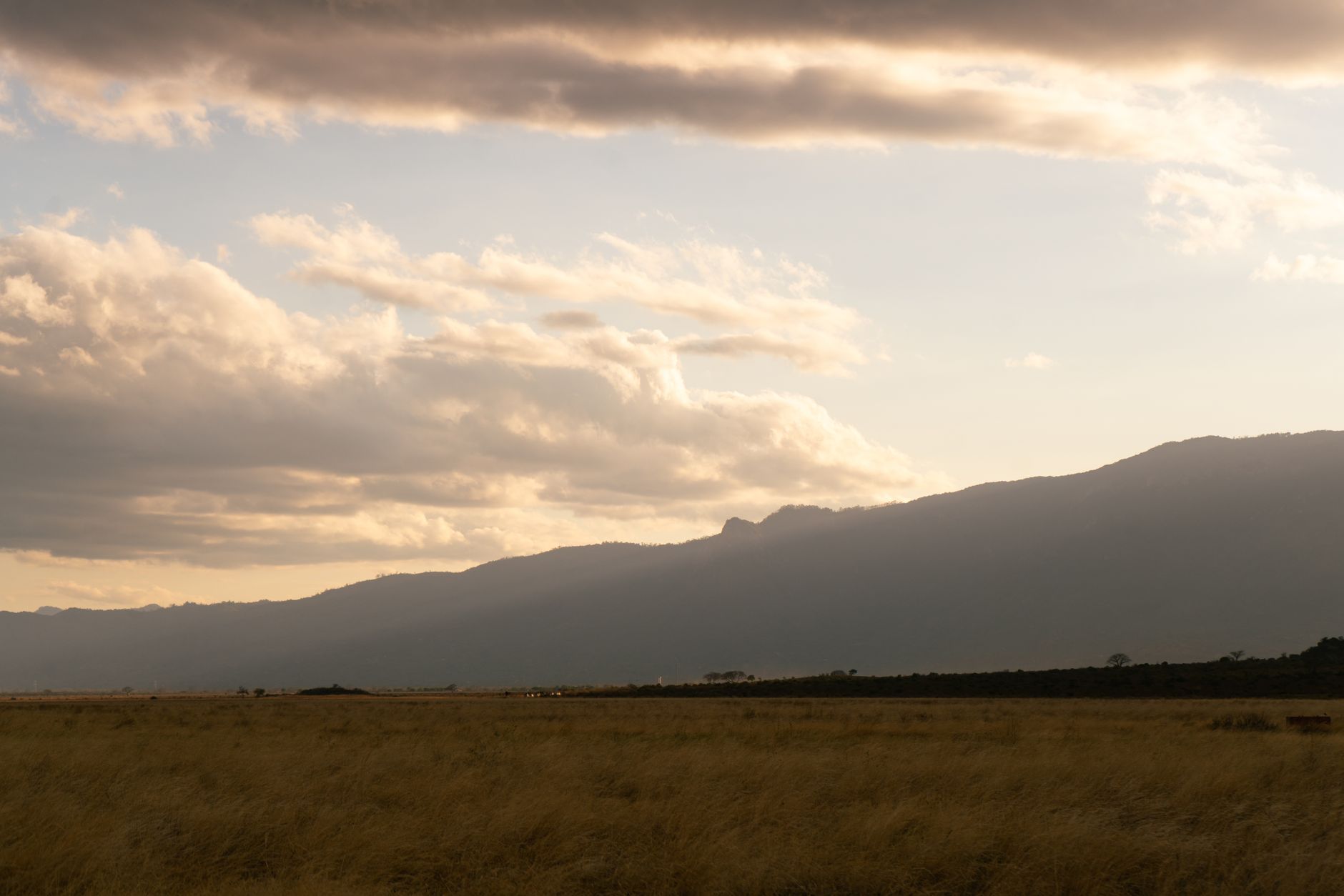
The shape of the week, and what the roads are actually like
The loop runs north on the A2 through Thika, Sagana and Karatina to Nyeri, sidesteps west into the Aberdares, then crosses to Nanyuki and the Mount Kenya foothills before dropping home via Embu or back down the A2. Total driving is around 780 kilometres over seven days, which is gentle: the longest single leg is day one at about 155 kilometres and three hours with the Thika Superhighway traffic. Tarmac is good on the A2, the Nyeri-Nanyuki road and the Timau stretch. The rough sections are inside the parks and on the murram spurs to Ngare Ndare and Solio.
You want a high-clearance vehicle, and genuine 4WD if you plan on the Aberdare moorland tracks, which turn to black cotton soup within an hour of rain. A saloon car will do the towns and the tarmac but will be turned back at Kiandongoro gate in wet months. Budget petrol at roughly KSh180-195 a litre in Nairobi and a few shillings more in Nanyuki; a week of this loop burns around KSh12,000-16,000 of fuel in a small SUV. Fill up in Karatina and Nanyuki, not in the villages. Nothing here needs a night drive, so don’t attempt one.
Day 1: Nairobi to Sagana, rafting the Tana, then Nyeri
Leave Nairobi by 6.30am to clear Thika Road before it thickens; you will be past Thika town by 7.45am and at Sagana, 105 kilometres out, before 9.30am. Sagana is where the Tana drops through grade three and four water, and the rafting operators on the river below the Sagana bridge run half-day trips for roughly KSh9,000-11,000 a head, wetsuit and helmet included, usually launching at 10am and 2pm. If you would rather stay dry, the same stretch has bungee and kayak schools, and the roadside stalls in Sagana town sell some of the best roast maize on the A2.
Dry off, eat a late lunch of grilled tilapia in Karatina, then climb the last 50 kilometres to Nyeri through coffee smallholdings and the Karatina market sprawl, arriving around 4.30pm. Sleep in Nyeri town: the business hotels along Kimathi Way and the Kenyatta Road area run KSh4,500-8,000 for a double with breakfast and secure parking, which is all you need for a night. The garden lodges out on the Nyeri-Nyahururu road cost KSh9,000-16,000 and are worth it only if you want a fire and a lawn. Book parking, not luxury, tonight.
Day 2: the Aberdares from Kiandongoro gate
Leave Nyeri at 7am for Kiandongoro gate, about 25 kilometres and 50 minutes on a climbing murram track that gets you to 3,000 metres before breakfast. KWS fees run to roughly KSh7,000 a day for non-residents and a few hundred shillings for citizens, plus a vehicle charge. The moorland up here is nothing like the savannah everyone associates with Kenya: tussock grass, giant lobelia, rain-blackened rock, and the odd bongo track in the mud. Karuru Falls drops 273 metres in three tiers and has a viewing platform 20 minutes from the car park; Chania Falls is the softer, greener alternative down the road.
Bring a fleece and a thermos — it can sit at 8-12°C all day and the mist rolls in by 2pm, which is your cue to leave. Drop back to Nyeri by 4pm, then spend the last hour of light at St Peter's cemetery where Robert Baden-Powell is buried under the epitaph with the tracker's sign for "gone home". Stay a second night in the same Nyeri town hotel rather than repacking; the KSh4,500-8,000 rooms take a second night without argument and you avoid an hour of admin. Eat mukimo and roast goat at any of the Kimathi Way grills.
Day 3: Nyeri to Nanyuki via Solio
A short driving day: 60 kilometres to Solio Ranch on the Nyeri-Nyahururu road, then 55 kilometres onward to Nanyuki. Solio is the private rhino sanctuary that restocked much of Kenya's black rhino population and it still holds one of the densest concentrations in the country, on open grass with Mount Kenya behind. Game drives are booked ahead through the ranch office and cost in the region of KSh10,000-15,000 per non-resident adult for a half day with a guide. Go at 7am when the rhino are still out in the open; by 11am they have moved into the whistling thorn and you will see backs, not animals.
Reach Nanyuki mid-afternoon, cross the equator sign on the A2 north of town where the touts will spin water down a funnel for you for KSh200, and settle in. Nanyuki is your base for three nights, which saves a great deal of packing. The cottages and small guesthouses on the Timau road and around the airstrip run KSh6,000-14,000 for a double; the working ranch guest cottages west of town are KSh18,000 and up. Eat at the trout farm restaurant on the Burguret river outside town, where they net your fish in front of you.
Day 4: Ol Pejeta, top to bottom
Ol Pejeta gate is 20 minutes from Nanyuki on the Nyeri road. Get there for the 6.30am opening: the conservancy is 360 square kilometres of open plain between the Aberdares and Mount Kenya, and the light before 8am is the whole point. Non-residents pay in the region of KSh12,000 a day, Kenyan residents around KSh2,500-3,000, and vehicles are charged separately. The two remaining northern white rhinos live in a guarded enclosure here and can be visited with a keeper for an extra fee that goes to their care — it is a strange, quiet, genuinely affecting 20 minutes.
Do the chimpanzee sanctuary on the Ewaso Nyiro before lunch, then take the southern circuit for lion and the big herds of Grevy's and plains zebra together. There is a picnic hide at the Morani information centre if you brought food; otherwise the conservancy restaurant does a KSh1,800-2,500 lunch. Be out by 5.30pm and back in Nanyuki for dinner. Do not try to combine Ol Pejeta with Mount Kenya in one day — the gate fees are daily and you will do both badly. Second night in the same Nanyuki cottage.
Day 5: Ngare Ndare's blue pools and the Timau shoulder
Drive northeast on the A2 through Timau, where the wheat and flower farms sit at 2,400 metres and the mountain fills the rear-view mirror, then turn off on the murram to Ngare Ndare Forest, about 70 kilometres and 90 minutes from Nanyuki. Entry with the canopy walkway runs about KSh1,500-3,000 for non-residents and considerably less for citizens; a forest guide is compulsory and included. The 450-metre walkway hangs 10 metres up in the fig canopy on an elephant corridor to Lewa, and the swimming pools downstream are a startling mineral blue at around 18°C.
This is the day to go slow. Buy tree tomatoes and plums from the Timau roadside stalls, stop at the Kisima farm shop area for cheese, and eat lunch on the mountain side of Timau where the wheat farms have a couple of cafés with terraces. You need 2WD-plus for the forest track after rain; in March-May, ask at the Ngare Ndare Forest Trust office before committing. Back in Nanyuki by 5pm, third night in the same bed, and spend the evening in the town's bars on the Nanyuki river rather than driving anywhere.
Day 6: Mount Kenya without climbing it
You do not need four days and a porter to stand on Mount Kenya. Drive to Sirimon gate, 15 kilometres east of Nanyuki on the A2, pay the KWS day fee of roughly KSh6,700 for non-residents, and drive the 9-kilometre track to Old Moses camp at 3,300 metres. From there a three-to-four hour there-and-back walk on the ridge above the camp gives you moorland, giant groundsel, the Sirimon valley and, on a clear morning, the Batian and Nelion peaks at 5,199 metres. Start walking by 9am; cloud usually closes the summit view by 11.30am and rain arrives around 3pm in the wet months.
The alternative, if legs are tired, is the Nanyuki animal orphanage on the mountain's lower slopes, where mountain bongo are bred for release, followed by an afternoon in Nanyuki's craft markets on the Nyeri road. Either way, tonight is your last on the mountain: stay a fourth night in Nanyuki rather than moving to a lodge for one night. If you want one splurge on the week, spend it here on a cottage with a fireplace at KSh12,000-16,000 — the temperature drops to 8°C after dark at 1,950 metres.
Day 7: home the long way, and what to skip
Return via the eastern side of the mountain if you can spare an extra hour: Nanyuki to Meru, down through Embu and Kutus, and into Nairobi via Thika, roughly 290 kilometres and five and a half hours with stops, against 200 kilometres and three and a half hours retracing the A2. The eastern road gives you Chuka's tea, the Mount Kenya forest edge, and the Fourteen Falls turnoff near Thika if you still have appetite. Aim to hit Thika by 3pm — arriving at the Nairobi end of the Superhighway after 4.30pm on a weekday costs an hour.
What to skip: Nyahururu's Thomson's Falls unless you are already going that way, because it is a 90-minute detour for a viewpoint ringed with hawkers; the sad little roadside "equator museums"; and any attempt to add Samburu or Laikipia's far north to this loop, which turns a relaxed week into a driving marathon. Back in Nairobi, sleep where you can reach the airport: Kilimani and Lavington apartment-hotels at KSh7,000-12,000, or the Mombasa Road business hotels at KSh8,000-15,000 if your flight is early.
Questions, answered
Do I need 4WD for this route?
For the tarmac spine, no. For Kiandongoro gate in the Aberdares, the Ngare Ndare forest track and Solio's internal roads in March-May, yes — rangers turn saloon cars back. A high-clearance 4WD hires for roughly KSh8,000-14,000 a day in Nairobi, unlimited mileage, which is the sensible spend on a week this long.
What does the week cost per person, excluding accommodation?
Reckon KSh12,000-16,000 of fuel split between travellers, roughly KSh26,000-30,000 in conservancy and park fees for a non-resident doing Aberdares, Ol Pejeta, Ngare Ndare and Mount Kenya, KSh9,000-11,000 for rafting, and KSh1,500-2,500 a day on food. Kenyan citizens pay a fraction of the park fees, which changes the maths completely.
Which months work best?
January-February and July-September. The long rains from mid-March to May shut the Aberdare moorland tracks and hide the mountain behind cloud for days; the short rains in November are patchier and often fine. July mornings on the moorland can start at 4°C, so pack a proper jacket whatever the Nairobi forecast says.
Can I do this loop without driving myself?
Yes, but restructure it. Matatus and shuttles run Nairobi-Nyeri and Nairobi-Nanyuki hourly for KSh600-1,000, and both towns have day-trip operators who will run you into Ol Pejeta or the Aberdares for KSh8,000-15,000 a vehicle. You lose the Timau and Ngare Ndare days, which need your own wheels.
Doing good is the business: every booking through Stay Nairobi funds one verified tonne of carbon removal — same room, same price, no markup.
Start your search