
Day trips & escapes
The coffee-and-tea route: two days around Kiambu, Limuru and Karen
A themed two-day loop of about 130 kilometres through the highland farms that made Kenya's name, with an auction floor, a tea estate lunch and four places to taste at source.
Why this route exists
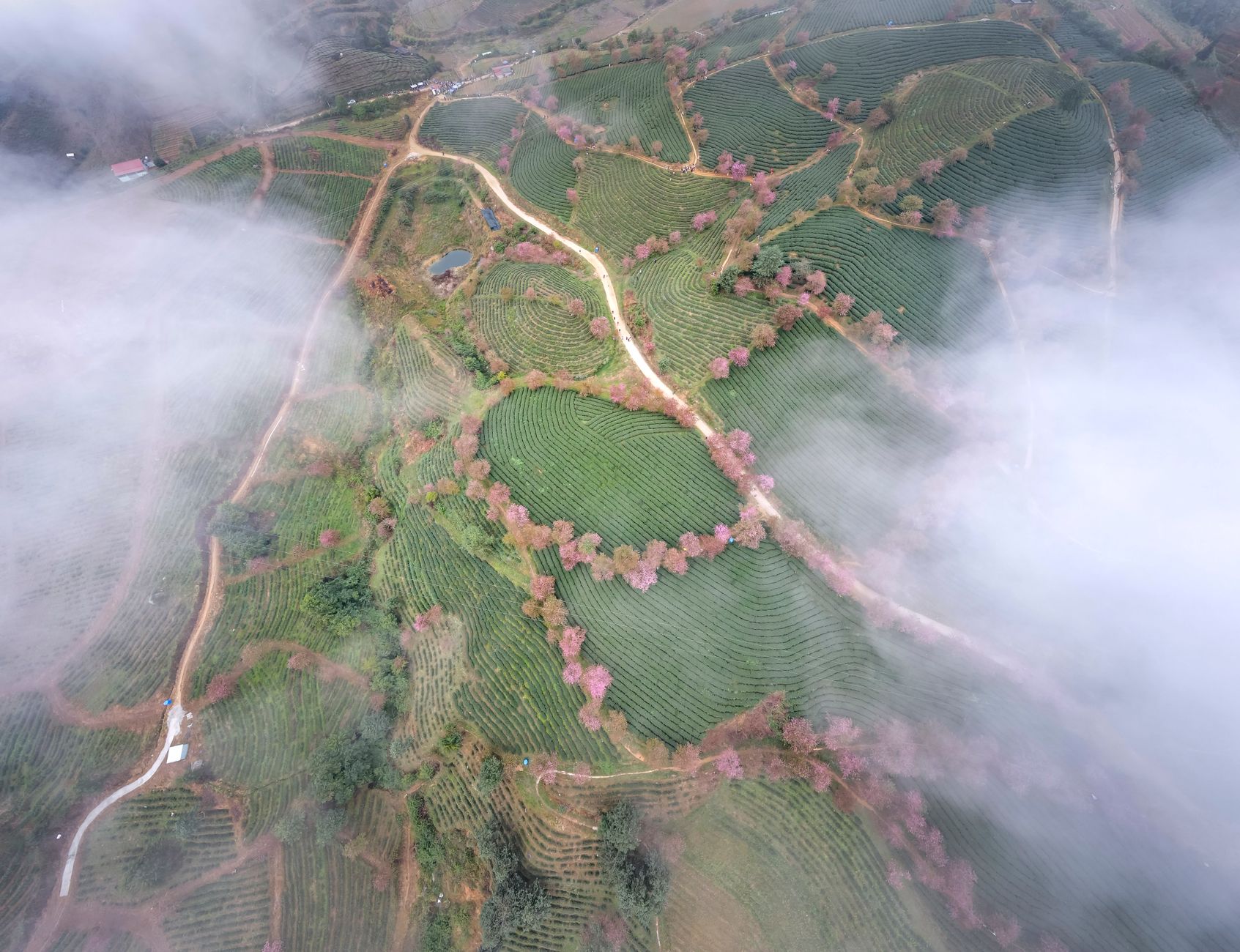
Kenya's two great agricultural exports were both planted within an hour of the city centre, on the volcanic red soil that runs north and west from Nairobi. Coffee took the lower ground of Kiambu and Ruiru at 1,500-1,800 metres; tea took the cold, wet ridges of Limuru and Tigoni at 2,000-2,300 metres, where the mist sits until ten in the morning. The route below strings them together in a loop of roughly 130 kilometres, with one night out of the city.
Timing matters more than on any other trip near Nairobi. Coffee's main crop is picked from October to December, with a lighter fly crop around May to July, and the Nairobi auction runs on Tuesday mornings through most of the season. Tea is plucked all year but the estates look their best in the wet months when the flush is on. Book everything: the tea farms, the cheese dairy and the coffee estate tours all run on set days by reservation only, and turning up unannounced gets you a locked gate and a wasted morning.
Day 1, 8am: the auction floor on Wabera Street
Start in the CBD at the Nairobi Coffee Exchange on Wabera Street, where the weekly auction sells Kenyan coffee by lot to exporters. The trading itself is fast, technical and startlingly loud for a room of men in suits; visitors are generally admitted to observe if arranged in advance through the exchange or a coffee-tour operator, and a specialist guide costs KSh3,000-6,000. This is the pricing engine for every AA and AB lot grown on the route you are about to drive, and 45 minutes here reframes the whole day.
If the auction is out of season or you cannot get in, substitute a proper cupping session at one of the CBD or Westlands specialist roasters, where KSh1,500-3,000 buys an hour of tasting single-origin Nyeri, Kirinyaga and Kiambu lots side by side with a Q-grader talking you through acidity and body. Either way, be back on the road by 10am, heading north out of the city on Kiambu Road, which is 25-40 minutes of suburban traffic before the coffee starts.
Day 1, 11am: Kiambu's coffee estates
The Kiambu belt north of Ruaka is where the old settler estates still grow SL28 and SL34 under shade, alongside thousands of smallholders delivering cherry to cooperative factories. Several estates run visitor tours by appointment — typically two hours, KSh2,500-5,000 a head, walking the rows, the pulping station and the drying tables, finishing with a brew of their own washed lot. Ask specifically whether the wet mill is running; a tour in the middle of harvest, with cherry coming in by the sack, is a completely different experience from a tour in March.
Add the Coffee Research Institute at Ruiru if you have a genuine interest — the national breeding station is where the disease-resistant Ruiru 11 and Batian varieties were developed, and staff will sometimes show visitors the trial plots by prior arrangement. Lunch in Kiambu town or at one of the farm restaurants on the Kiambu Road strip, KSh1,000-2,000 a head. Then take the Northern Bypass west and climb the Limuru Road towards Tigoni; you will feel the temperature drop 5°C in 20 kilometres.
Day 1, 3pm: Paradise Lost, the galleries, and where to sleep
Break the afternoon at Paradise Lost off Kiambu Road, a private site with pre-colonial caves used during the Mau Mau years, a waterfall and a small boating lake; entry runs about KSh500-800 with boats and camel rides charged separately. It is a family-holiday place rather than a serious sight, but the cave walk is genuinely interesting and it sits directly on your route. Alternatively, spend the hour on art: the galleries on the Limuru Road ridge and at Banana Hill hold strong collections of East African painting and take walk-ins.
Sleep in Tigoni or Limuru, not back in the city. The country hotels and farm guest cottages scattered among the tea between Tigoni and Limuru town run roughly KSh7,000-16,000 for a double with breakfast, most with fireplaces, which you will use — this is 2,200 metres and it drops to 9-11°C after dark in July. The budget option is Limuru town itself at KSh3,000-5,500, functional and noisy. Eat at your lodging; the tea zone has almost nothing open after 8pm.
Day 2, 9am: fog, ridges and a tea farm lunch
Get up early enough to see the mist lift off the tea. The ridge roads around Tigoni — narrow tarmac between clipped green tables of bush, with pickers moving in lines and the Rift escarpment visible west on a clear day — are among the most photogenic 20 kilometres near Nairobi and they are best between 7 and 9am. The route through Kentmere and down towards the Limuru dairy country is signposted badly; use a map and don’t take the murram shortcuts after rain, because the red clay here is genuinely slick.
The set piece is a working tea farm tour, of which the long-established smallholding above Tigoni is the best known: booked in advance, typically starting late morning, about KSh4,000-5,000 a head, and including a guided walk through the bushes, a lesson on why only two leaves and a bud are plucked, a walk in the remnant indigenous forest, and a three-course lunch on the lawn with tea served properly. It runs most days by reservation and fills weeks ahead in July and December.
Day 2, 2pm: cheese, and the way back through Karen
Limuru's cold, wet grass also makes it Kenya's dairy heartland, and the artisan cheese dairy in the hills outside Tigoni runs farm tours with a long tasting lunch on set days — book ahead, expect roughly KSh6,500-8,000 a head, and expect to leave with a kilo of cheese. If that is too much lunch after the tea farm, the dairy shops and roadside stalls between Limuru and Kikuyu sell the same cheeses, plus cream and yoghurt, at KSh600-1,500.
Return to Nairobi the long way, down through Kikuyu and onto the Southern Bypass to Karen, about 45 kilometres and an hour outside peak. Karen was Karen Blixen's coffee farm — her 1912 farmhouse at the foot of the Ngong Hills is now a museum, about KSh1,200 for non-residents and KSh200 for citizens, and the old plantation ground behind it is planted with a demonstration row of coffee. Ending a coffee route at the failed farm that produced Kenya's most famous book is the right last stop.
Costs, buying at source, and what to skip
Two days on this route costs a couple roughly KSh30,000-45,000 all in: about KSh3,000-4,000 of fuel for 130 kilometres plus city driving, KSh8,000-10,000 a head on tours and lunches, and KSh7,000-16,000 for the night in Tigoni. Buying at source is the point — good roasted Kenyan single-origin runs KSh1,200-2,200 for 250 grams at estate shops and city roasters, which is less than half what it fetches abroad, and estate-packed orthodox tea is KSh600-1,500 for 500 grams. Ask for vacuum packing for the flight.
Skip the roadside "tea farm" signs on the main Limuru Road that lead to a shed and a sales counter — the real farms are booked, not stumbled upon. Skip trying to fold Ndakaini dam or the Aberdare foothills into this loop; that is a separate day. And do not attempt the return to Nairobi via Waiyaki Way on a weekday evening: it is the single worst approach into the city, and the Southern Bypass through Kikuyu saves 40 minutes for the price of eight extra kilometres.
Questions, answered
Can I visit the Nairobi Coffee Exchange as a tourist?
Not on a walk-in basis. Auctions run on Tuesday mornings in season and access is arranged in advance, usually through a specialist coffee-tour operator for KSh3,000-6,000 a head including the cupping session. If you cannot get in, a roaster-led cupping in Westlands or the CBD at KSh1,500-3,000 covers most of the same ground.
When is the coffee harvest?
The main crop in Kiambu and central Kenya is picked from October to December, with a smaller fly crop around May to July. Visit then and you’ll see cherry sorting, pulping and the drying tables in use. Between January and April the estates are pruning and mulching, which is a quieter but much less vivid tour.
Is a 4WD needed for the Limuru ridges?
Not on the tarmac, which reaches Tigoni, the tea farm and the cheese dairy. The murram shortcuts between ridges turn greasy within minutes of rain and a saloon car will slide, so in April, May and November stick to sealed roads and add ten minutes rather than taking the direct line on the map.
Could this be done as a single long day from Nairobi?
Yes, at a cost. Skip the auction, leave the city at 7am, do one Kiambu estate at 9am, the Tigoni tea farm and lunch at 11.30am, and be back through Karen by 5pm — roughly 110 kilometres and nine hours. You lose the misty morning on the ridges, which is the best hour of the two days.
Doing good is the business: every booking through Stay Nairobi funds one verified tonne of carbon removal — same room, same price, no markup.
Start your search