
Hotel round-ups
Hotels with backup power and water in Nairobi, ranked
Kenya Power outages and city water rationing hit Nairobi hotels every week, and these 8 property types are ranked on the three things that decide whether you notice: a generator, a borehole and a dual-ISP connection.
Why this is the amenity that actually matters here
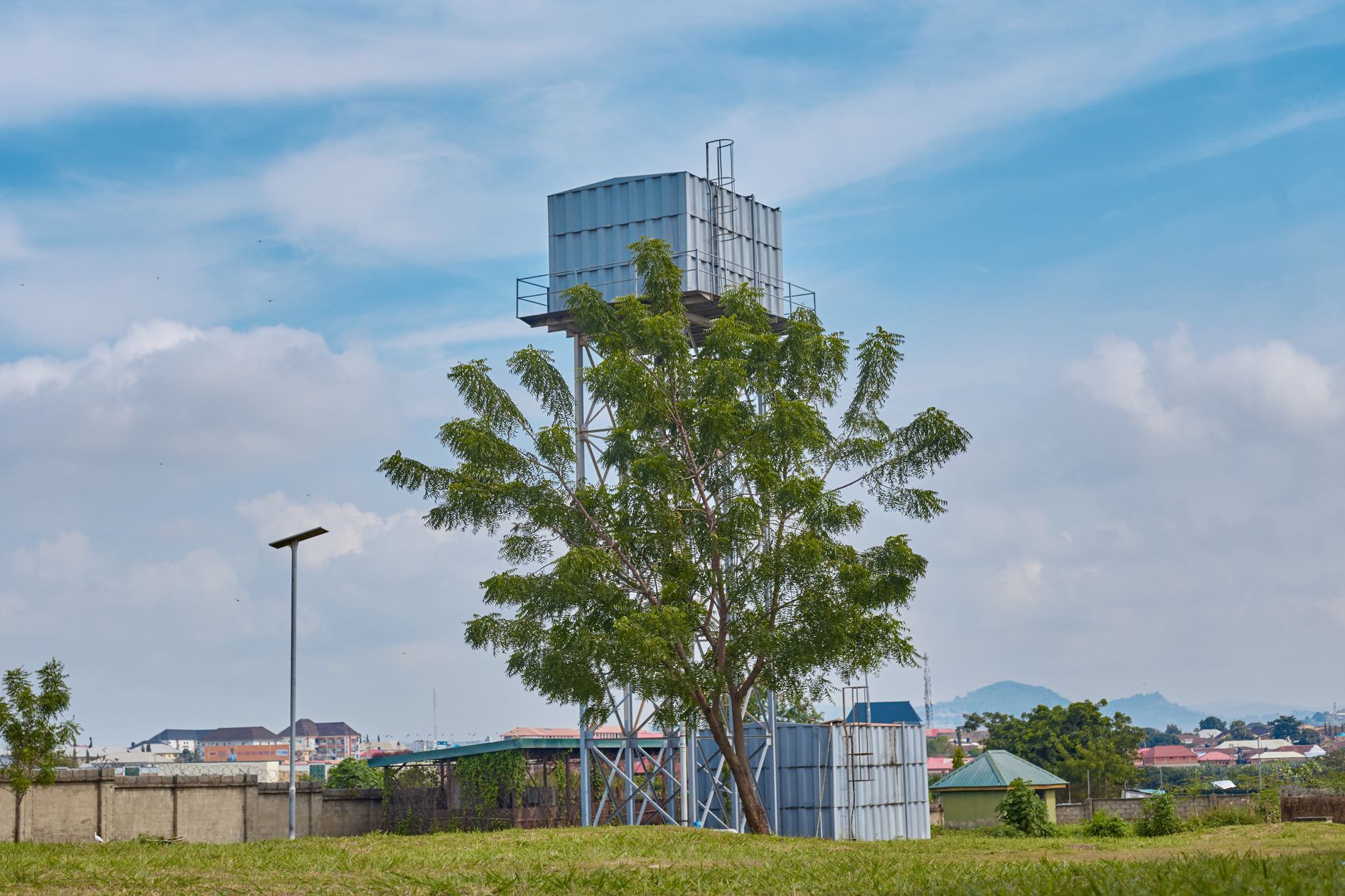
Nairobi loses power regularly. Some outages are planned maintenance announced by Kenya Power on a Sunday for a specific feeder; others are unplanned and last from twenty minutes to several hours, and the country has had nationwide blackouts within recent memory. Separately, Nairobi Water runs a rationing programme across most estates, so a given suburb may have supply on three or four days a week. Hotels bridge both gaps with a diesel generator, a borehole or a tanker contract, and roof or ground storage tanks. Where they do it well you never know; where they do not, your 6am shower is cold and your video call drops.
The three numbers to ask for are simple. How many seconds does the generator take to pick up, and does it carry the whole building or only lifts and corridors. Is the water from a borehole on site, city mains with storage, or bought-in tankers. And is the internet on two independent fibre providers with a 4G router as third fallback. A hotel that knows its answers will tell you in one email. One that replies we have a generator, without saying what it carries, is telling you it carries the corridor lights.
The four- and five-star towers: the gold standard
Purpose-built hotels in Westlands, Upper Hill and Gigiri at KSh18,000-40,000 a night have the full stack: a standby set sized for the entire load, automatic transfer within about ten to thirty seconds, an on-site borehole with treatment, storage measured in tens of thousands of litres, and a UPS keeping the network and the key-card system alive through the changeover. In these buildings a Kenya Power outage is a brief flicker and a distant hum from the plant room. If you have a day of client calls that cannot drop, this tier is the reason to pay the rate.
Two things still catch people. Lifts often restart on generator with a delay, so a 30-second outage can mean a three-minute wait on the fourteenth floor. And hot water in older towers comes from a central calorifier that will happily deliver, but only after the pumps restart, which is why some guests report a cold minute at 6.15am on the exact morning of an outage. Ask for a room on a low floor if you need certainty, and run the tap for a minute before committing to the shower.
Gigiri, Runda and Muthaiga guesthouses: the quiet overachievers
Converted houses in the diplomatic belt punch far above their KSh12,000-25,000 rates on this metric, because they were built as private homes for people who could not tolerate outages. A typical Runda or Muthaiga compound has its own borehole, a 10,000-litre tank tower, a domestic generator that starts within a minute, and increasingly a solar array with a lithium inverter that carries lights, routers and fridges silently and instantly. The result is often a smoother experience than a mid-range hotel, because the inverter covers the gap before the generator even wakes up.
Where they fall short is scale. A domestic inverter will not run an air-conditioner or an instant electric shower, and many of these houses use instant showers, which means a hot shower during an outage is impossible unless the generator is on. Ask specifically whether hot water comes from a solar water heater with an electric backup, a heat pump or an instant unit. Solar heaters, common on these roofs, are the answer you want: the sun did the work yesterday afternoon and the tank does not care what Kenya Power is doing.
The airport corridor: the most tested infrastructure in the city
Hotels serving JKIA along Mombasa Road and Airport North Road at KSh12,000-22,000 have the most exercised standby systems in Nairobi because airline crew contracts do not tolerate failure, and because the whole strip suffers the same supply interruptions. Expect generators that carry the full load, water storage sized for full occupancy, and staff who run a monthly load test. This is where I would put a traveller who lands at 3am and needs a hot shower, a working socket and a reliable connection at 8am, in a city where all three occasionally take the morning off.
The compromise is atmosphere and distance. You are on a busy trunk road 16-18km from Westlands, the views are of the road and the perimeter fence, and the Expressway toll to town runs roughly KSh120-360 by section. There is no reason to base a whole trip here. But for the first and last nights of a Kenya trip, when your body is on another clock and the day depends on functioning infrastructure, it is the highest-probability booking in Nairobi and usually the cheapest of the reliable ones.
Kilimani, Kileleshwa and Lavington apart-hotels: read the small print
Apartment blocks at KSh9,000-18,000 a night are a mixed bag and the variation is entirely about what the generator carries. The common Nairobi setup backs up lifts, common areas, the borehole pump and the water booster, but not the individual units, on the reasoning that residents own inverters. That means during an outage your lights are off, your fridge is off and your instant shower is off, while the corridor outside is brightly lit. Ask the building manager directly: does the generator supply the apartment sockets, or only common services. It is a yes-or-no question with a very large consequence.
The good news is water. Most of these blocks were built with a borehole because the mains cannot serve a 60-unit tower, and they store enough for two or three days, so rationing rarely reaches you. The other good news is fibre: Kilimani and Kileleshwa are the best-served parts of Nairobi for home fibre, and a decent apart-hotel will offer a 20-40Mbps line to the unit. Bring a personal 4G router as backup anyway, since a Safaricom bundle of around KSh1,000 covers a week of email, maps and calls if the fibre fails.
Karen, Langata and the solar suburbs
The garden suburbs have gone the furthest towards independence, because the plots are big enough for panels and the guests stay long enough to justify batteries. Cottages at KSh8,000-20,000 increasingly run solar with a lithium bank sized for lights, sockets, water pump and Wi-Fi, plus a borehole, plus a small generator that only ever runs for the water heater or a workshop. The result is that some Karen stays simply do not experience outages at all, and the only clue is a wall-mounted inverter humming gently in the corridor.
The unreliable variant looks identical from the outside: an old house with a hedge, no borehole, mains water arriving twice a week into a leaky tank, and a generator that has not been serviced since the last long rains. Karen sits at the end of long distribution lines and its outages are among the longest in the city, so the difference between the two versions is enormous. Ask how many litres of storage and whether the borehole is theirs or shared, and ask when the generator was last run under load. Owners who know are usually the ones who invested.
CBD, Parklands and the budget tier — and my verdict
Downtown hotels at KSh8,000-16,000 and Parklands three-stars at KSh6,000-12,000 mostly have generators, because a hotel that cannot serve breakfast loses business, but they typically pump city water into ground tanks rather than drawing a borehole. In a bad rationing week that means low pressure by the afternoon and cold water in top-floor rooms. Budget guesthouses under KSh6,000 are honest about it: expect a lamp on a battery, a bucket in the bathroom, and staff who will heat water for you. That is fine for a night and wearing over a week of remote work.
Ranked for reliability: the airport-corridor hotels first, the Westlands and Upper Hill towers second, Gigiri and Runda guesthouses third and best value, Kilimani apart-hotels fourth if the sockets are backed up, Karen fifth with huge variance, CBD sixth, budget last. If your trip depends on power and connectivity, book a four-star tower in Westlands at KSh18,000-25,000 and put a 4G router in your bag. If it depends on hot water and quiet, book a Runda guesthouse with a solar heater and a borehole for KSh15,000 and enjoy the garden.
Questions, answered
How often does the power actually go out in Nairobi?
Often enough to plan around: planned Kenya Power maintenance on announced days, plus unplanned outages that run from twenty minutes to several hours, more frequent during heavy storms in April, May and November. In a hotel with a full-load generator you notice a flicker. In one that backs up only corridors, you notice everything.
What does a borehole change for a guest?
Everything during rationing. Nairobi Water supplies many estates on a rota, so a hotel relying on mains plus storage can run low by late afternoon in a dry month. A property with its own borehole and treatment has pressure and hot water at any hour, which is why Gigiri, Runda and the newer towers rarely have a water problem.
Should I bring my own internet backup?
Yes. A Safaricom SIM or eSIM with a bundle around KSh1,000 covers a week of email, maps and calls, and a small 4G router will keep a laptop working through a fibre cut. Hotel Wi-Fi in Nairobi is generally decent when it works; the failure mode is the whole line dropping rather than slow speeds.
Doing good is the business: every booking through Stay Nairobi funds one verified tonne of carbon removal — same room, same price, no markup.
Start your search