
Hotel round-ups
Hotels with big gardens in Nairobi, ranked
Nairobi's best asset is space, and eight categories of hotel use it very differently — from acre lawns in Karen at KSh20,000 to a KSh9,000 Kilimani courtyard with a hadada ibis on the grass at breakfast.
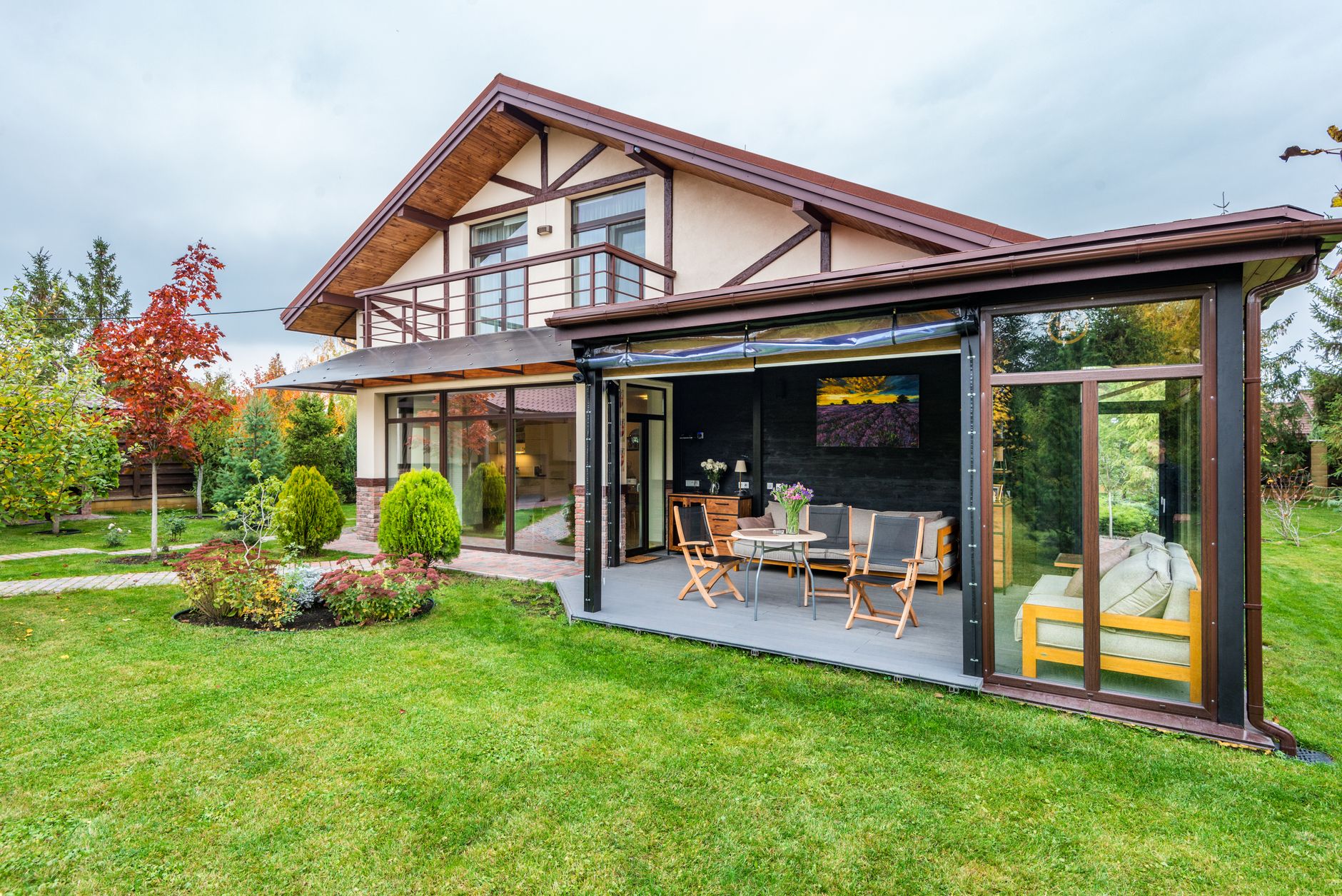
Why gardens are the Nairobi amenity worth paying for
Nairobi's climate is the reason. At 1,795m the city sits between 12 and 26 degrees for most of the year, there is no humidity to speak of, and mosquitoes are a minor issue at this altitude. That means a garden is usable from about 7am to 9pm every day of the dry season, which is the majority of the year. A hotel with a real lawn is not offering decoration; it is offering the room you will actually spend your time in — breakfast under trees, a laptop on a shaded table, a drink before dinner with a superb sunset at 6.30pm.
The second reason is birds. Nairobi's garden avifauna is genuinely rich: hadada ibis making their absurd noise at dawn, superb starlings with orange bellies hopping between tables, sunbirds on the aloes, weaver colonies stitching nests over a pool, augur buzzards and black kites overhead. A hotel with mature indigenous trees will show you 30 species over a long breakfast without you leaving the chair. That is the single best-value experience in this city and it costs nothing beyond the room rate.
1. Karen and Langata: acre plots and the real thing
Karen was subdivided into large plots and never densified, so the hotels and estate stays along Karen Road, Bogani Road, Ngong Road and out toward Hardy sit on one to five acres of lawn, indigenous forest fragments and old exotics — jacaranda, Nandi flame, blue gum, fig. Rates run KSh15,000 to KSh45,000 a night. This is where the garden is unambiguously the point: you get croquet-flat grass, seating under trees a hundred metres from the nearest building, vervet monkeys stealing sugar packets, and total quiet at night.
The cost is 18 to 20km of Nairobi traffic between you and the city centre, which means 45 to 70 minutes in the morning peak on Ngong Road. Karen also has the city's longest power cuts, on rural feeder lines through wooded areas. Book here if your days are at the elephant orphanage, the giraffe centre, the Karen Blixen house and the Nairobi National Park Langata gate — all within 15 minutes. Do not book here if you have CBD meetings, because the drive will erode the calm the garden bought you.
2. Muthaiga and Runda: hedges, quiet and small numbers
Muthaiga is Nairobi's oldest smart suburb and Runda its most manicured, both defined by high hedges, half-acre-plus plots and streets with no pavements and no traffic. The handful of small hotels and guest houses here — expect KSh18,000 to KSh35,000 — sit in walled gardens with mature trees, lawns and often a pool. The atmosphere is residential to the point of secretive; you will hear nothing but birds and the occasional gate opening. Muthaiga has the added benefit of being only 8km from the centre, half Karen's distance.
Availability is the problem. The guest stock here is tiny, mostly a few rooms per property, and it books out around conferences and the December to January high season. Reserve six to eight weeks ahead for those windows. There is also nothing to walk to, and the nearest concentration of restaurants is at the Limuru Road malls, 10 minutes by car. Book Muthaiga if you want Karen's garden with half the commute and are organised enough to reserve early. Skip it if you want spontaneity or to eat somewhere different each night without a car.
3. Gigiri and the Karura forest edge
The hotels along United Nations Avenue and the roads bordering Karura Forest have an advantage no lawn can match: a 1,000-hectare indigenous forest across the road, with waterfalls, caves, marked trails and colobus monkeys, entry around KSh100 to KSh600 depending on residency. Hotel gardens here are large and well kept, at KSh18,000 to KSh32,000 a night, but the real green space is Karura, and being able to walk or run 10km of forest track before breakfast is a genuine differentiator in this city.
The area's drawbacks are the usual Gigiri ones: 12km from the centre, a punishing Limuru Road evening peak, and a restaurant scene confined to two malls. But for anyone who wants outdoor time rather than a garden to look at, this is the best-placed accommodation in Nairobi. Book here if you run, cycle or walk seriously. If you want the garden purely as a place to sit with a book and a gin, Muthaiga and Karen do it better and more privately.
4. Lavington and Kileleshwa: the mid-sized compromise
Between the Karen extreme and the Kilimani density, Lavington and Kileleshwa hold quarter to half-acre plots with converted family houses running as guesthouses and small hotels at KSh9,000 to KSh18,000. Gardens are proper — big enough for a lawn, a few mature trees, a hammock and a breakfast table — without being estates. The suburb is quiet, the streets are tree-lined, and you are 15 to 25 minutes from Westlands, Kilimani and Upper Hill, which is the best triangulation on this list.
This is the value pick of the whole category. What you lose is drama: no forest, no acre of mown grass, and neighbours audible over the hedge. What you gain is a garden and a location, which almost nothing else here manages together. Ask which rooms open onto the lawn rather than the car park, because in converted houses the difference between the two is enormous and the price often is not. Book the garden-facing room and skip anything described as the annexe until you have seen a photograph.
5. Kilimani and Milimani: courtyards, not lawns
Kilimani has been rebuilt in apartment towers over the last 15 years, so genuine gardens are increasingly rare, but a stubborn set of older guesthouses off Lenana Road and Dennis Pritt Road still has walled courtyards with a lawn, a mango or avocado tree and a breakfast terrace, for KSh6,500 to KSh13,000. These are small — a few hundred square metres, not acres — but they are enclosed, sunny, quiet by mid-morning and completely sufficient for what most people do in a hotel garden.
The area's real green asset is the jacaranda season: from late September into October the streets of Kilimani and Lavington go purple, and it is the best time of year to be here. Check what surrounds the courtyard before booking, because a construction site next door means a jackhammer from 7am — a live issue across this district. Ask directly whether there is building work within 50 metres. If the answer is yes, move to Lavington. If no, this is excellent value in the best-located suburb in the city.
6. Central Nairobi: two historic gardens and not much else
Nairobi's grandest hotel gardens are a short walk from the CBD, on the old colonial-era plots near Harry Thuku Road and along the Bishops Road and Milimani ridge above the centre, where hotels built in the first half of the twentieth century kept their lawns, courtyards and enormous trees. Rates run KSh16,000 to KSh30,000. Sitting in one of these courtyards with the University of Nairobi and the museum ten minutes away is the closest thing this city has to a heritage experience with a garden attached.
Everything else central is stone and traffic. Standard CBD hotels have a forecourt at best, and the noise of Moi Avenue and Tom Mboya Street does not stop. If a garden matters and you must be central, pay the KSh16,000-plus for the historic stock or take a room on the Milimani ridge, which is quieter and only 10 minutes downhill. Do not book a KSh7,000 CBD hotel expecting green space; you are buying a location and nothing more, and the difference matters most at breakfast.
The verdict, plus what to look for in the trees
Ranked: Karen at KSh15,000 to KSh45,000 for the biggest and best gardens in Nairobi if you can absorb the commute; Muthaiga at KSh18,000 to KSh35,000 for the same thing at half the distance if you book early; Gigiri at KSh18,000 to KSh32,000 if you want to use the green space rather than sit in it, thanks to Karura; and Lavington at KSh9,000 to KSh18,000 as the best value combination of garden and location. Kilimani courtyards at KSh6,500 to KSh13,000 are the budget answer, subject to the construction question.
One thing to check that nobody thinks about: what the trees are. A garden of clipped lawn and imported ornamentals gives you space and nothing else. A garden with indigenous species — croton, Cape chestnut, yellowwood, wild fig, Nandi flame — gives you colobus or vervets, sunbirds, barbets and hornbills, and turns breakfast into wildlife viewing. Ask for a photograph of the garden with the trees in it, not a lawn from ground level. That single question separates the hotels selling grass from the ones selling Nairobi.
Questions, answered
Which Nairobi suburb has the biggest hotel gardens?
Karen, without competition. Plots there run from one to five acres because the area was subdivided for horse paddocks and coffee, and never densified. Muthaiga and Runda are the runners-up with half-acre-plus walled gardens, and are half the distance from the city centre at about 8 to 10km.
Do I need mosquito protection in a Nairobi garden?
Far less than at the coast or in the Rift lowlands. At 1,795m malaria transmission in Nairobi itself is very low, and evenings are cool enough that mosquitoes are a minor nuisance rather than a threat. Bring repellent for trips to Naivasha, Machakos or the Athi plains, where risk rises.
When are Nairobi's gardens at their best?
Late September into October, when the jacarandas bloom purple across Kilimani, Lavington and Muthaiga, and again in January and February when skies are clearest and afternoons hit about 26 degrees. Mid-March to May brings the long rains, when lawns are lush but afternoons are lost to storms.
Doing good is the business: every booking through Stay Nairobi funds one verified tonne of carbon removal — same room, same price, no markup.
Start your search