
Day trips & escapes
Tea and coffee country: a driving route through Kiambu and Limuru
A 110km themed loop into the highlands an hour from Nairobi, with a working tea farm lunch, three coffee estates and an overnight option at 2,200m.
The theme, and the shape of the drive
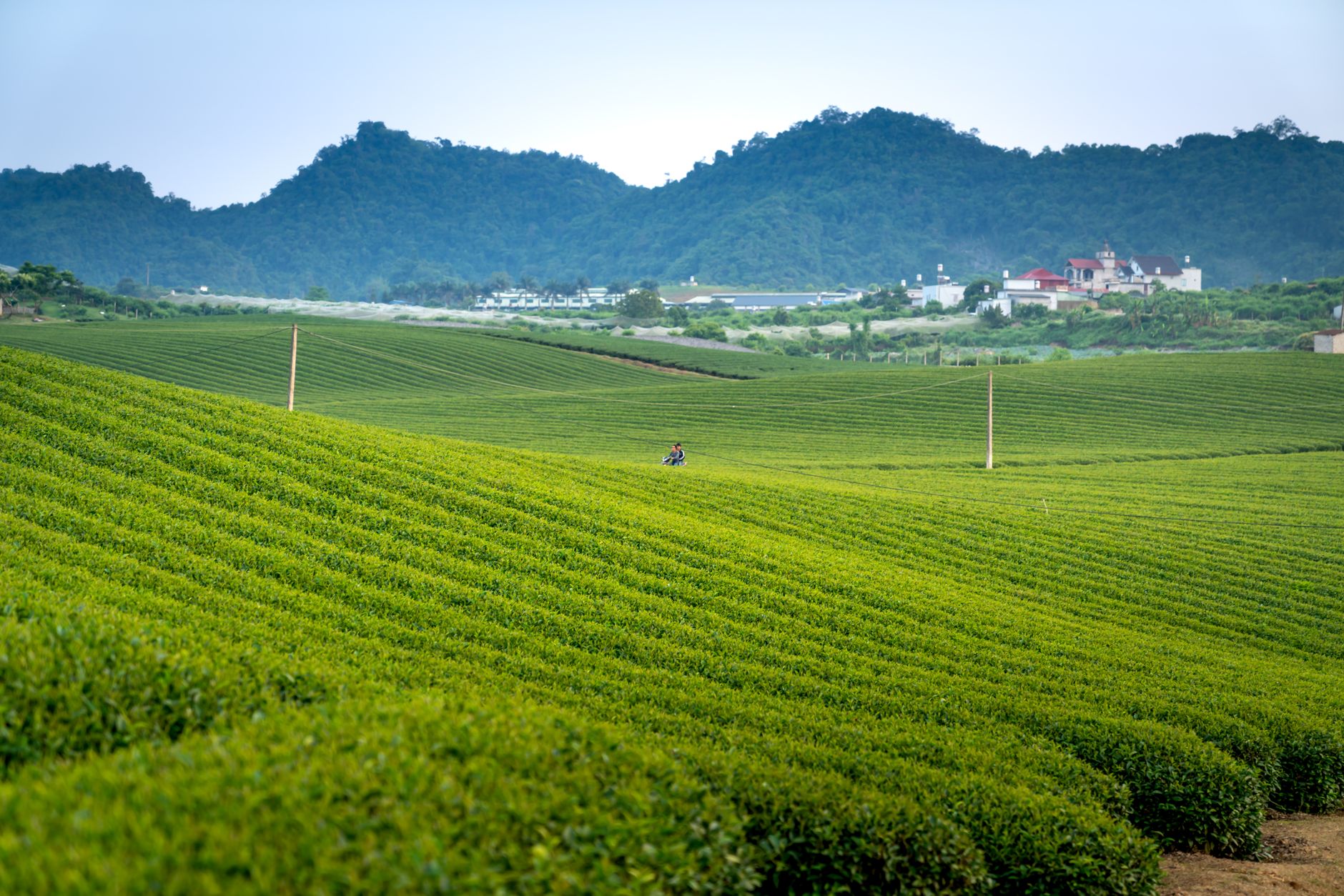
Kenya is the world's largest exporter of black tea and the ridges immediately north-west of Nairobi are where the industry sits: Limuru, Tigoni and Kiambu, all between 1,900m and 2,300m, cool, wet and red-soiled. Coffee grows on the slightly lower Kiambu slopes. The loop runs Nairobi to Kiambu on Kiambu Road, across to Tigoni and Limuru, up to the escarpment viewpoint at Kinungi, and home either on the A104 or back through Ndenderu. That is roughly 110km and burns about KSh3,000 in fuel.
Do it as a full day, 08:00 to 18:00, or split it over two with a night in a Tigoni cottage. The theme rewards questions: how a plucker earns per kilo, why these estates hand-pick rather than machine-harvest, what happens to the leaf within four hours of picking. Everyone offering tours here is a working farm rather than a museum, so book ahead by phone, and go on a weekday when processing is actually running. Weekends are pretty and idle.
08:00-10:00: out on Kiambu Road, first coffee
Leave Nairobi by 08:00 via Kiambu Road from Muthaiga, which is congested until Runda and then opens up. Within 25km you are in coffee: dark green bushes under shade trees on red soil, with the drying tables and pulping sheds of the cooperative factories visible from the road. Several Kiambu estates run visitor tours for roughly KSh1,500-3,500 a head, typically covering the nursery, the picking, the wet mill and a cupping of the estate's own beans. Ring the day before; the smaller ones do not staff a gate for walk-ins.
The main harvest runs roughly October to December with a lighter fly crop in June and July, so time your visit if you want to see picking rather than pruning. Outside those months you still get the mill, the drying beds and the tasting, which is the part most people remember, since Kenyan AA from these slopes is bright and blackcurranty in a way that the supermarket blend at home is not. Buy beans at the farm gate at KSh1,200-2,000 a kilo, roughly half what the Westlands roasteries charge.
10:30-12:00: Paradise Lost and the Kiambu caves
Fifteen minutes on, Paradise Lost off Kiambu Road is a private park built around a waterfall and a set of caves used by Mau Mau fighters in the 1950s. Entry is around KSh600-1,000, boat rides and horse rides cost extra at KSh500-1,000, and the site is busy with Nairobi families at weekends and near-empty midweek. Forty-five minutes covers the cave walk and the falls; the coffee plantation on the same property gives you a second, casual look at the crop.
This is a stop I would cut on a tight schedule. If you have three hours rather than five before your tea lunch, spend them at a working coffee estate instead. Paradise Lost is pleasant rather than remarkable and the drive out and back on Kiambu Road eats twenty minutes at the wrong time of day. Its real value is with children, who care about caves and boats more than about wet mills, or as a rain-proof stop, since the cave section works in a downpour.
12:30-15:00: Kiambethu Tea Farm, the centrepiece
Drive across to Tigoni, about 30 minutes on the Ruaka-Banana-Limuru roads, for the stop that justifies the whole route. Kiambethu Tea Farm has been in the same family since 1910 and runs a set-piece visit: a talk on the veranda about how tea reached Kenya and how it is processed, a walk through the bushes with a picker, a guided stroll into a patch of indigenous forest with colobus monkeys, and then a proper three-course lunch on the lawn at 2,200m. Book at least a few days ahead; they run on fixed sittings.
The whole thing costs around KSh4,500-6,000 a head including lunch and takes two and a half hours, which is the best-value long lunch within an hour of Nairobi. The talk is not a sales pitch: you will hear about smallholder economics, the two-leaves-and-a-bud rule, and why Kenyan tea is nearly all CTC processed for teabags. Bring a jumper, because it is often 15C and drizzling here when Nairobi is 26C. The forest walk is short and the monkeys are reliably present in the morning and mid-afternoon.
15:30-17:00: the Limuru ridge and the escarpment view
From Tigoni, drive north-west through Limuru town, where the market and the old shoe factory tell a different, industrial version of the highlands story. The road climbs through some of the most photogenic tea in the country, sheer green ridges cut by dirt tracks, with pickers in yellow rain capes moving in lines. Pull over on the wide verges rather than stopping on blind bends; lorries come through fast. Ask before photographing workers, and expect to be asked for a small tip, which is fair.
Then join the old Naivasha road at Kinungi for the escarpment viewpoints, twenty minutes on. You are standing at about 2,400m looking down 700m into the Rift with Mount Longonot and Lake Naivasha laid out below. The curio stalls are aggressive and the prices open at triple; a soapstone bowl worth KSh500 will be quoted at KSh2,000. Buy or do not, but the view is free apart from a KSh100-200 parking fee. Late afternoon light from here, roughly 16:30 to 17:45, is the best of the day.
Where to sleep if you stay the night
Tigoni and Limuru have a cluster of small country hotels and farm cottages on the tea ridges, generally KSh7,000-15,000 a double with breakfast, with fireplaces, gardens and no nightlife whatsoever. That is the point. At 2,200m the evenings are genuinely cold from June to August and a fire is a feature rather than decoration. Ask specifically for hot water reliability and a room away from any function hall; these properties earn much of their income from weddings and conferences, and Saturday nights can be loud.
The alternative is to sleep in Nairobi and treat this as a long day trip, which most people should do. Runda, Muthaiga and Gigiri put you nearest the Kiambu Road exit, with garden hotels and serviced apartments around KSh10,000-20,000 a night, and you are back among restaurants for dinner. Westlands works too, adding fifteen minutes to the morning drive. Only stay in Limuru if the cold-highland-cottage evening is itself the thing you came for.
Timing, weather and the trap to avoid
The highlands here catch far more rain than Nairobi. Limuru gets over 1,000mm a year and April and May can deliver afternoon downpours daily, which turns the estate tracks to slick red clay and closes forest walks. Go in the drier windows of January to March or July to September, and always in the morning, because cloud usually builds on these ridges by 15:00 and the escarpment view goes flat white. Temperatures sit around 10-22C, so pack a layer even in February.
The trap is Nairobi traffic. Kiambu Road inbound between 16:30 and 19:30 is one of the worst commuter routes in the metro area, and coming home that way turns a 25km drive into ninety minutes. Return instead via Limuru and the A104 through Kikuyu, or leave the escarpment by 16:00. Skip the roadside tea kiosks selling packet tea as a farm souvenir; buy loose leaf directly from an estate shop at KSh600-1,200 a kilo, which is both better and cheaper.
Questions, answered
Do I need to book the tea farm visit in advance?
Yes. Kiambethu runs fixed sittings for lunch and caps numbers, and turning up unannounced usually means being turned away. Book at least three or four days ahead, longer for weekends and December. Confirm dietary needs at the same time, since lunch is a set menu cooked for the day's numbers.
Can I do this route by public transport?
Partly. Matatus run Nairobi to Limuru and Tigoni frequently for KSh100-200 and take about an hour outside peak times. From the stage you would need boda bodas at KSh200-400 a leg to reach individual farms. It works, but a hired car and driver at roughly KSh8,000-12,000 for the day is far less stressful.
When can I actually see tea being picked?
Almost any month. Tea in Kenya is plucked year-round on a seven to fourteen day cycle, with peak flush after the rains in April to June and October to December. Mornings from about 08:00 to 11:00 are when the pluckers are in the fields; by mid-afternoon the leaf is already at the factory.
Is the escarpment viewpoint worth adding if I am short on time?
Yes, if you can reach it before 16:30 in clear weather. It adds about 40km and an hour of driving to the loop and gives you the single biggest view of the day, 700m down into the Rift with Longonot and Naivasha visible. Skip it entirely on an overcast afternoon.
Doing good is the business: every booking through Stay Nairobi funds one verified tonne of carbon removal — same room, same price, no markup.
Start your search