
Hotel round-ups
Lakefront hotels on Lake Naivasha and Lake Nakuru, ranked
Eight kinds of shoreline stay in the Rift Valley within two and a half hours of Nairobi, ranked by how much actual lake you get, what the rising water has done to each stretch, and price bands from KSh4,500 to KSh60,000.
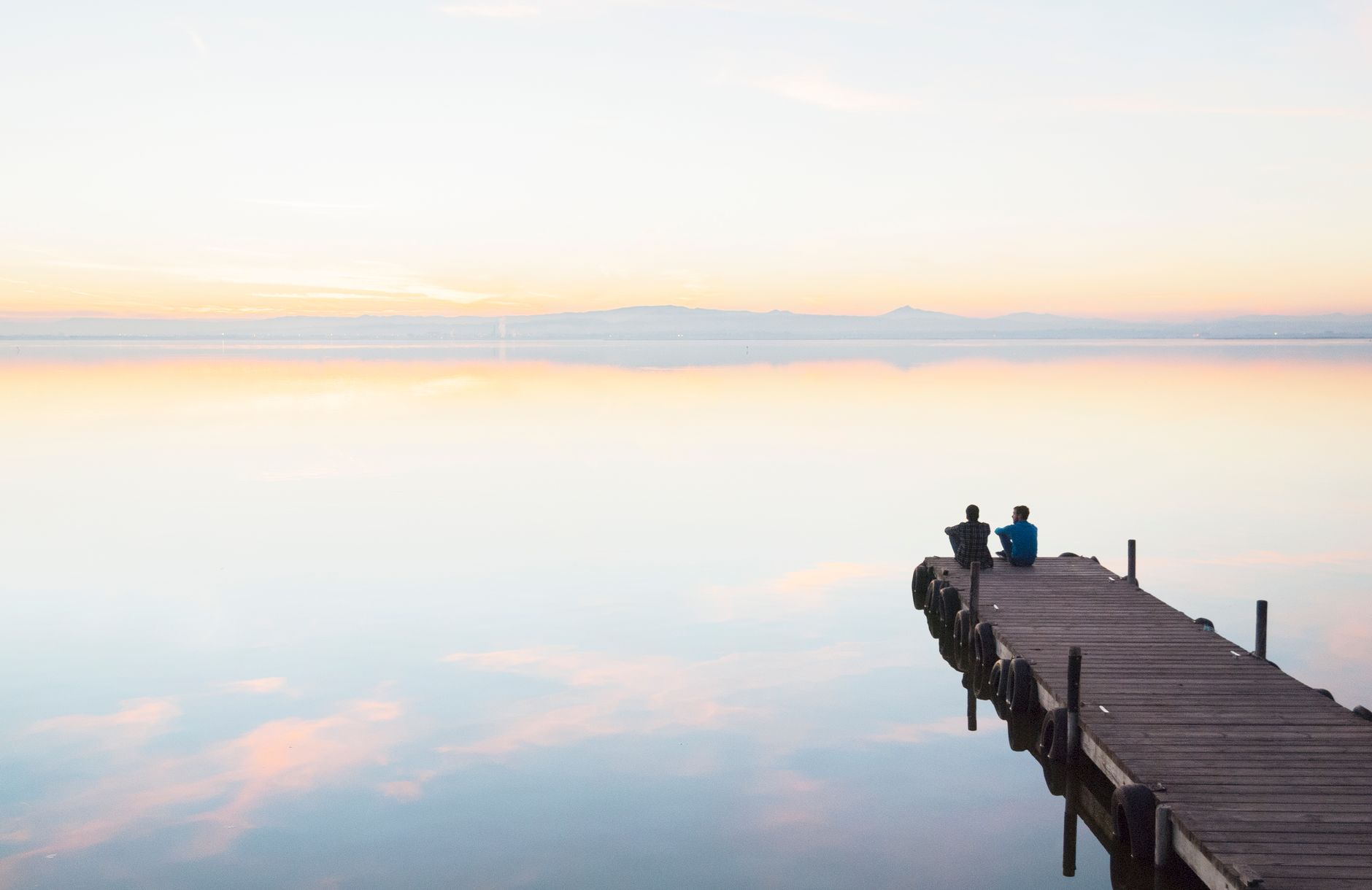
The rising-water problem you must ask about
Lake Naivasha and Lake Nakuru both rose sharply from 2020 onward, and the effect on shoreline hotels was brutal. Lawns that appeared in a decade of brochure photographs are underwater; jetties that once reached out over open water are now 200 metres inland from where the shore actually is, or gone entirely. Some properties lost buildings. Others gained frontage where the water advanced across former farmland. The result is that lakefront on a booking page can mean anything from a room 15 metres from the water to a room behind a barrier of drowned, standing acacia trunks.
So ask one question before booking anything on either lake: send a photograph of the view from the room, taken this month. Serious properties answer within the hour because they know exactly why you are asking. It also determines your evenings — the hotels that still have grass down to the water are the ones where hippos come up to graze after dark, which is the single most memorable thing about staying here and the reason every camp posts a night watchman and asks you to be indoors from about 9pm.
1. South Lake Road, Naivasha: the main event
The Moi South Lake Road strip is where most of Naivasha's hotel stock sits, running roughly 25km west from the Naivasha turn-off past flower farms, camps and resorts. Drive time from Nairobi is 90 minutes to two and a half hours for the 90km, depending on whether the escarpment descent is moving. The mid-range resorts here charge KSh12,000 to KSh22,000 a night for a room, usually half board, with lawns, pools, and boat jetties. It is the sensible default for a first Rift Valley weekend and the best-served stretch for food and activities.
Pick by position rather than by star rating. The eastern end, closer to the turn-off, is convenient and busier, with more weekend traffic and coach groups. Further west, past the Hell's Gate turn, properties get quieter, greener and more expensive, and the fever tree stands are denser. Weekends fill with Nairobi families from Friday afternoon, so a midweek night in the same room can cost 30 percent less and be silent. Book the western end midweek if you can. Skip the roadside places set back behind the flower farms; you are paying lake prices for a view of a greenhouse.
2. The Naivasha luxury lodges and colonial houses
At the upper end, a handful of estate-style lodges and converted farmhouses on the lake's northern and western shores charge KSh35,000 to KSh60,000 and up, full board, with private boat access, resident colobus and black-and-white casqued hornbills in the trees, and dinner served on a lawn. This is where honeymooners and long-weekend groups go, and the service standard is a genuine step above the mid-market. Some sit on private wildlife land where you can walk among giraffe and waterbuck with a guide — a real distinction from the fenced resort experience.
The catch is the arithmetic. Two nights full board for a couple lands around KSh150,000 before drinks and boat trips, which is more than a comparable stay in Karen or Gigiri. It is worth it if the point of the trip is the lake and you will spend three days there. It is poor value as an overnight stop en route to Nakuru or Nanyuki, where you will arrive at 5pm and leave at 9am having used almost none of it. In that case take a mid-range South Lake resort and spend the difference on the boat.
3. The Naivasha budget camps and campsites
The same shoreline carries a strong budget tier: campsites and simple bandas charging KSh3,500 to KSh8,000, with shared ablutions, a bar, a fire pit and, crucially, the same water, the same fish eagles and the same hippos as the resort next door. Several are long-established backpacker fixtures and run boat trips and Hell's Gate cycling at half the price the resorts quote — expect around KSh4,000 to KSh6,000 per boat for an hour on the water rather than per person.
Bring earplugs at weekends, because these places host groups and the bar runs late on Saturdays. Bring a warm layer too: Naivasha sits at about 1,880m and clear nights drop to 10 degrees in July. And check the ablution block situation honestly before booking with anyone who will be unhappy about a walk to a shared shower in the dark. For solo travellers and anyone under 30, this is the best-value Rift Valley stay by a distance, and the crowd is a large part of why.
4. Crater Lake and the quieter western shores
West of the main strip, Crater Lake sits in a green volcanic bowl above the main lake, with a small sanctuary and a couple of camps around KSh10,000 to KSh25,000. The water here is a strange jade colour, flamingos come and go, and the whole place is 20 minutes off South Lake Road on a rough track that is slow going after heavy rain. It is dramatically quieter than the main shore and better for walking, with a rim trail giving you the best view in the district over both lakes.
Book here for solitude and photography. Do not book here if you want a resort infrastructure of pools, spa and multiple restaurants, because there is one dining option and it closes when the last guest goes to bed. A four-wheel drive is advisable in the March-to-May long rains; a normal saloon is fine in July or January. Combine it with Elsamere on the main shore, the old Adamson house now run as a conservation centre, where afternoon tea on the lawn among colobus monkeys costs a fraction of a resort lunch.
5. Lake Nakuru: the lodges inside the park
Nakuru is a different proposition because the lake sits inside a fully fenced national park, so the accommodation with lake views is inside the gates and you pay park entry to reach it. Drive time from Nairobi is about two and a half hours for 160km, or 70km and an hour from Naivasha. The park lodges look down on the water from wooded slopes rather than sitting on the shore, and rates run KSh18,000 to KSh40,000 half board. Rhino, both black and white, are the real draw — this is one of the best places in Kenya to see them.
Manage the flamingo expectation carefully. Numbers here swing wildly with water level and alkalinity, and since the lake rose the great pink bands of the postcards have often shifted to Bogoria and Elementaita instead. Some years they return in force; some years there are a few hundred birds. Book Nakuru for rhino, buffalo, Rothschild's giraffe and the yellow fever tree forest, and treat flamingos as a bonus. If the pink lake is genuinely your only reason for coming, ask about current bird numbers before committing to two nights and park fees.
6. Nakuru town and the park-gate hotels
Outside the fence, Nakuru town has a solid tier of business and conference hotels at KSh6,000 to KSh18,000, some with pools and gardens on the Milimani side, ten to fifteen minutes from the park's main gate. You lose the lake view entirely and gain a substantial saving plus restaurants, supermarkets and fuel. For families doing a single day drive in the park, this is the pragmatic choice: sleep in town, be at the gate at 6.30am, and spend the money you saved on a private vehicle and guide.
The town also gives you Menengai Crater, a 90-square-kilometre caldera on the northern edge with a viewpoint you can drive to, and Hyrax Hill's prehistoric site on the Nairobi road. Both are half-hour outings that most park visitors miss entirely. Skip the cheapest hotels along the highway itself, where truck noise runs all night. Milimani and the roads climbing above the town centre are quieter and only a few hundred shillings more.
The verdict, ranked
For a first Rift Valley weekend from Nairobi, book a mid-range South Lake Road resort at KSh12,000 to KSh22,000 midweek, with a confirmed current photo of the shoreline, and give it two nights so the four-hour round trip is worth it. For a special occasion, the western-shore lodges at KSh35,000 to KSh60,000 full board earn their price if you stay three nights and use the boat, the walking and the birding. For solo and budget travel, the Naivasha camps at KSh3,500 to KSh8,000 are unbeatable and put you in the same water and the same sunsets.
For wildlife, choose the Lake Nakuru park lodges at KSh18,000 to KSh40,000 and go for the rhino, not the flamingos. Skip: anything on South Lake Road hidden behind flower farms; highway hotels in Nakuru town; and lakefront claims that come without a dated photo. One logistical tip that saves a whole afternoon — leave Nairobi before 6.30am or after 10am, because the Nakuru highway climb out of the city and the escarpment section back up carry heavy truck traffic and can add an hour in the middle of the morning.
Questions, answered
How long is the drive from Nairobi to Lake Naivasha?
About 90km and 90 minutes to two and a half hours, depending on traffic on the escarpment section and roadworks. Leave before 6.30am or after 10am to avoid the worst truck queues. Lake Nakuru is a further 70km, roughly an hour beyond Naivasha, or two and a half hours direct from Nairobi.
Will I see flamingos at Lake Nakuru?
Sometimes, but do not book on it. Since the lake rose, flamingo numbers have fluctuated sharply and large flocks often move to Bogoria or Elementaita instead. Nakuru's dependable attractions are black and white rhino, Rothschild's giraffe, buffalo and the fever tree forest. Ask the lodge for current bird counts before committing.
Are hippos a real risk at lakefront hotels in Naivasha?
Yes, which is why every shoreline property posts night watchmen and asks guests to stay indoors after about 9pm. Hippos come ashore to graze on lawns after dark and are dangerous if you block their route back to the water. Follow the askari's instructions and never walk to the shore alone at night.
Is one night enough at Lake Naivasha?
No. With a two to five hour round-trip drive, a single night leaves you time for dinner and breakfast and nothing else. Two nights lets you fit a morning boat trip to the hippo pods, an afternoon at Hell's Gate cycling among zebra, and a sunset on the water — which is the actual reason to come.
Doing good is the business: every booking through Stay Nairobi funds one verified tonne of carbon removal — same room, same price, no markup.
Start your search