
Seasons & events
Nairobi's cold season: what July and August are really like
July and August bring 11°C mornings, a week of unbroken grey and hotel rooms with no heating — but they are also the two months when the city walks best and safari transit demand pushes rooms KSh3,000 above May prices.
The weather nobody expects at the equator
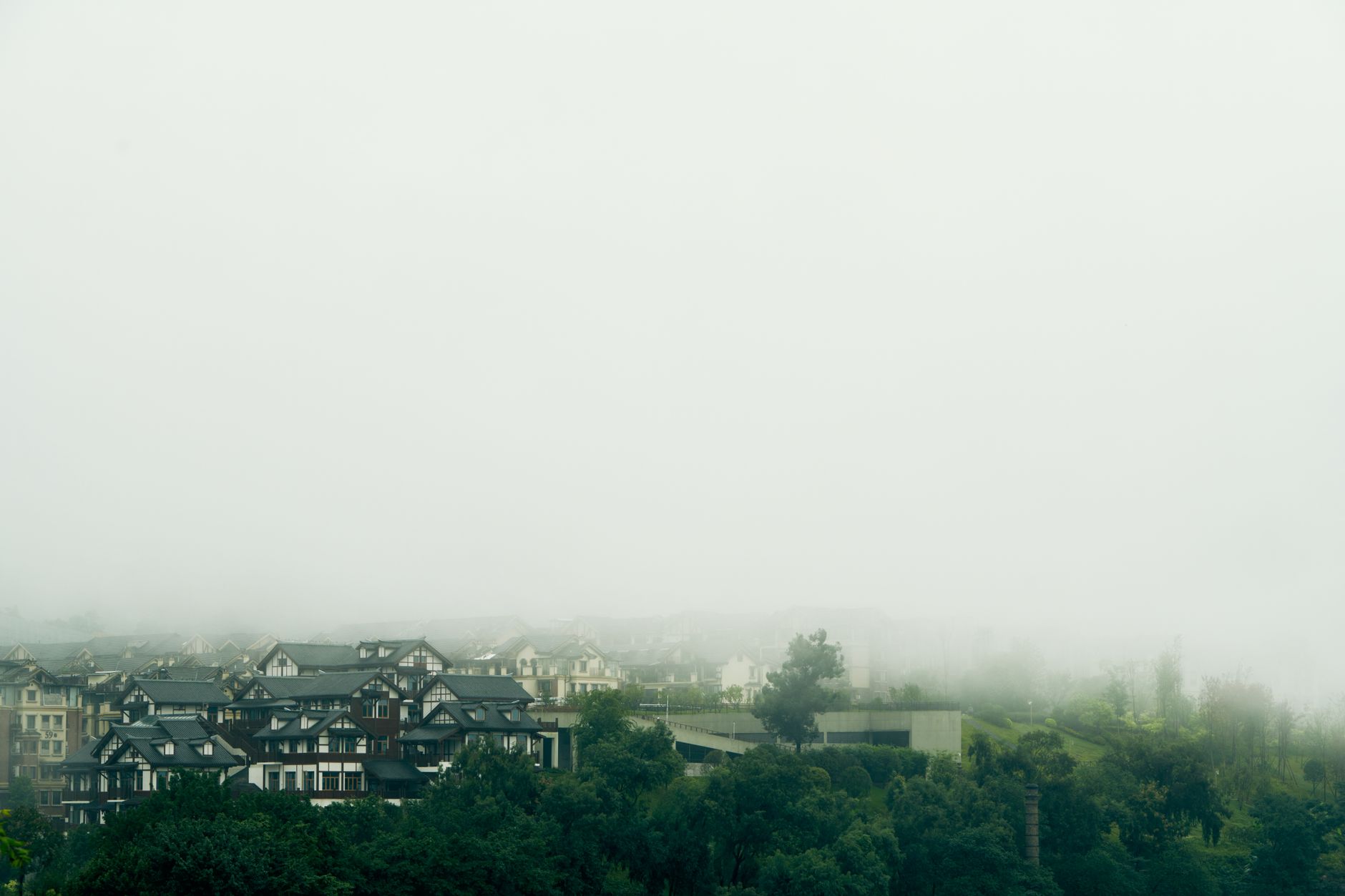
Nairobi sits at 1,795 metres, and in July and August that altitude wins. Daytime highs hover around 21 to 22°C, nights drop to 11 or 12°C, and the defining feature is not rain but cloud: a low grey lid that can sit over the city for four or five days without breaking, with drizzle that Kenyans call a nuisance rather than rain. Total rainfall is small, under 20mm in a typical July, but you will see the sun less than in any other month. Karen, Kikuyu and Limuru run two to three degrees colder still.
The practical effect is that you will be cold indoors before you are cold outdoors. Kenyan buildings are designed to shed heat: tiled floors, high ceilings, jalousie windows, and no insulation anywhere. A 12°C night in a concrete Kilimani apartment feels considerably worse than a 12°C night in a European house. Meanwhile the midday ultraviolet is still equatorial, so people get sunburnt through cloud on a 21°C afternoon in the Nairobi National Park. Pack for both: a fleece and sunscreen, in the same daypack.
Heating, hot water and how to choose a room
Almost nothing in Nairobi has central heating. Above about KSh18,000 a night you will usually find a room with air conditioning that can run in heat mode, and the older colonial-era properties in Karen and Muthaiga have working fireplaces, which are the single nicest thing about a July evening in this city. Below that price band you get blankets, and how many depends on whether you ask. Always ask. Housekeeping in every mid-range hotel keeps spare duvets and will bring one within ten minutes, but nobody offers unprompted.
Hot water is the other thing to check. Many mid-range and budget rooms use instant electric showerheads rather than a tank, and in cold season the flow that felt fine in February gives you a lukewarm trickle. Two questions before booking a room under KSh8,000: is there a solar or electric tank, and is there a backup for the showers when the power dips. Pick an upper-floor room facing east or north — the morning sun does more for a Nairobi bedroom in July than any appliance — and avoid ground-floor courtyard rooms, which stay damp.
Why rooms cost more in the coldest months
July and August are peak transit season. The wildebeest crossings in the Maasai Mara run roughly July to October, so the city fills with people spending one night either side of a safari, most of them arriving late at JKIA and leaving early from Wilson Airport. That pushes mid-range Westlands and Kilimani rooms to about KSh10,000 to KSh15,000, four-star property rooms to KSh18,000 to KSh26,000 and the top tier past KSh45,000 on the busiest nights, which is KSh3,000 to KSh6,000 above what the same rooms fetch in May.
Two moves save real money. First, stay for three or more nights: rate cards for one-night safari transit are the most expensive product in the city, and longer stays get quoted 15 to 25 per cent lower. Second, move off the transit corridors. Kileleshwa, Lavington and the quieter end of Parklands are 10 to 20 minutes from Westlands by car, do not carry the safari premium, and offer serviced apartments at KSh8,500 to KSh13,000 with a kitchen. If you have a 07:00 Wilson departure, though, pay for Karen, Langata or South C — the drive matters more than the saving.
What the cold season is genuinely good for
This is the best walking weather Nairobi has. Karura Forest at 08:00 in July is cool, dust-free and quiet, with the waterfall trail and the bamboo section doing their best work; non-resident entry runs about KSh600, citizens KSh100. The Nairobi Arboretum, off State House Road, suits a slower hour under labelled indigenous trees. The Ngong Hills ridge walk from the Kiserian side is a three to four hour out-and-back that becomes punishing in February heat and is perfectly comfortable in August, though you will want a windproof layer on the ridge itself.
City sightseeing improves too. The Nairobi National Museum on Museum Hill, the Railway Museum near the old station and the Kenyatta International Convention Centre helipad viewing deck all reward a grey day, and CBD walking tours are far more pleasant at 21°C than at 27°C. Photography is the trade-off: flat white skies for days on end are hard work, so shoot interiors, markets and street detail rather than skylines, and save the wide landscape shots for the clear afternoons that arrive every week or so.
Nairobi National Park in the cold months
The park is at its most reliable now. The long rains have finished, the grass has been grazed down, and animals concentrate around the remaining water — which means lion, buffalo, rhino and eland are far easier to find on the Athi Basin circuit than they were in May. Tracks are firm, so you do not strictly need a high-clearance vehicle, though the murram roads still jolt. Non-resident adult entry is in the region of KSh5,600 and citizens pay a few hundred shillings; gates open at 06:00 and the first hour is the whole point.
Dress for the drive rather than the destination. An open-sided safari vehicle at 06:15 in August, moving at 40km/h through cloud, is genuinely cold — 11°C plus wind chill — and the drivers who hand out blankets are the ones getting good reviews. Two hours later you will be peeling layers off. Book the vehicle for a 05:45 pickup from your hotel, budget KSh8,000 to KSh14,000 for a half-day shared van, and treat anything leaving after 08:00 as a sightseeing drive rather than a game drive.
Eating and drinking in the cold
Cold-season Nairobi food is heavier and better for it. Nyama choma over charcoal, served with kachumbari and ugali, is a two-hour lunch that suits a grey Saturday, and the roadside mutura stands on the Kiambu and Ngong roads run hottest in July. Look for chicken or goat soup on menus, drunk before the meat rather than after. Street-corner tea with milk and ginger at KSh30 to KSh60 a cup is the cheapest comfort in the city, and uji, a warm fermented millet porridge, is what people actually eat at 07:00 in August.
For sit-down warmth, Kilimani and Westlands have the density: Ethiopian restaurants around Kilimani serve doro wat that suits the weather, and the Indian kitchens of Parklands and Highridge do biryani and karahi that are worth crossing town for. Kenyan coffee finally makes sense in this season — the single-origin roasters in Westlands and Lavington pour at KSh350 to KSh600. What to skip: rooftop bars. Every one of them is beautiful in October and miserable in July, when the wind comes off Nairobi's western ridges after 18:30.
Day trips that work better now than any other time
The Limuru and Kiambu tea belt, 40 to 60 minutes north-west of Westlands on a good day, looks its best in cold cloud: rows of tea under mist, with farm visits and long lunches at the country clubs above the escarpment. Budget KSh6,000 to KSh12,000 for a car and driver for a half-day. Machakos, an hour south-east on the Mombasa Road and Expressway, is warmer and drier than the city in July by three or four degrees, which makes its People's Park and the surrounding hills a good escape when the grey gets tiring.
Naivasha, 90 minutes to two hours down the escarpment, drops the altitude and gains the sun, and Hell's Gate cycling is far more sensible at 24°C than at 32°C. Bring a jacket anyway for the viewpoint stops on the old Naivasha road, which sit at over 2,300 metres and are genuinely cold in a wind. The trip to skip in cold season is anything that depends on a clear Mount Kenya view from Nanyuki — July and August cloud hides the peaks for days, and you will have driven four hours for it.
Questions, answered
Do I need a coat for Nairobi in July?
A fleece or light down jacket plus a rain shell covers it. Mornings and evenings sit at 11 to 14°C with wind, and hotel rooms have no heating. You will not need gloves or a heavy winter coat, but closed shoes rather than sandals make the evenings much better.
Is July a bad month to visit Nairobi because of the cloud?
No, it is a good month with one flaw. It is dry, mild and the best walking and game-viewing weather of the year, but expect several consecutive days of flat grey sky. If your trip is built around photography of the skyline or Mount Kenya, choose January or February instead.
How much more do hotels cost in July and August?
Roughly KSh3,000 to KSh6,000 a night above May and November levels, driven by safari transit. Mid-range Westlands and Kilimani rooms run about KSh10,000 to KSh15,000, four-star KSh18,000 to KSh26,000. Stays of three nights or more are quoted 15 to 25 per cent below single-night transit rates.
Doing good is the business: every booking through Stay Nairobi funds one verified tonne of carbon removal — same room, same price, no markup.
Start your search