
Seasons & events
Nairobi in the cold season: what June to August is really like
For about ten weeks Nairobi sits under a grey cloud deck with highs of 21-22°C, nights near 10°C and almost no hotel in the city fitted with heating — and it is still the most reliable travel window of the year.
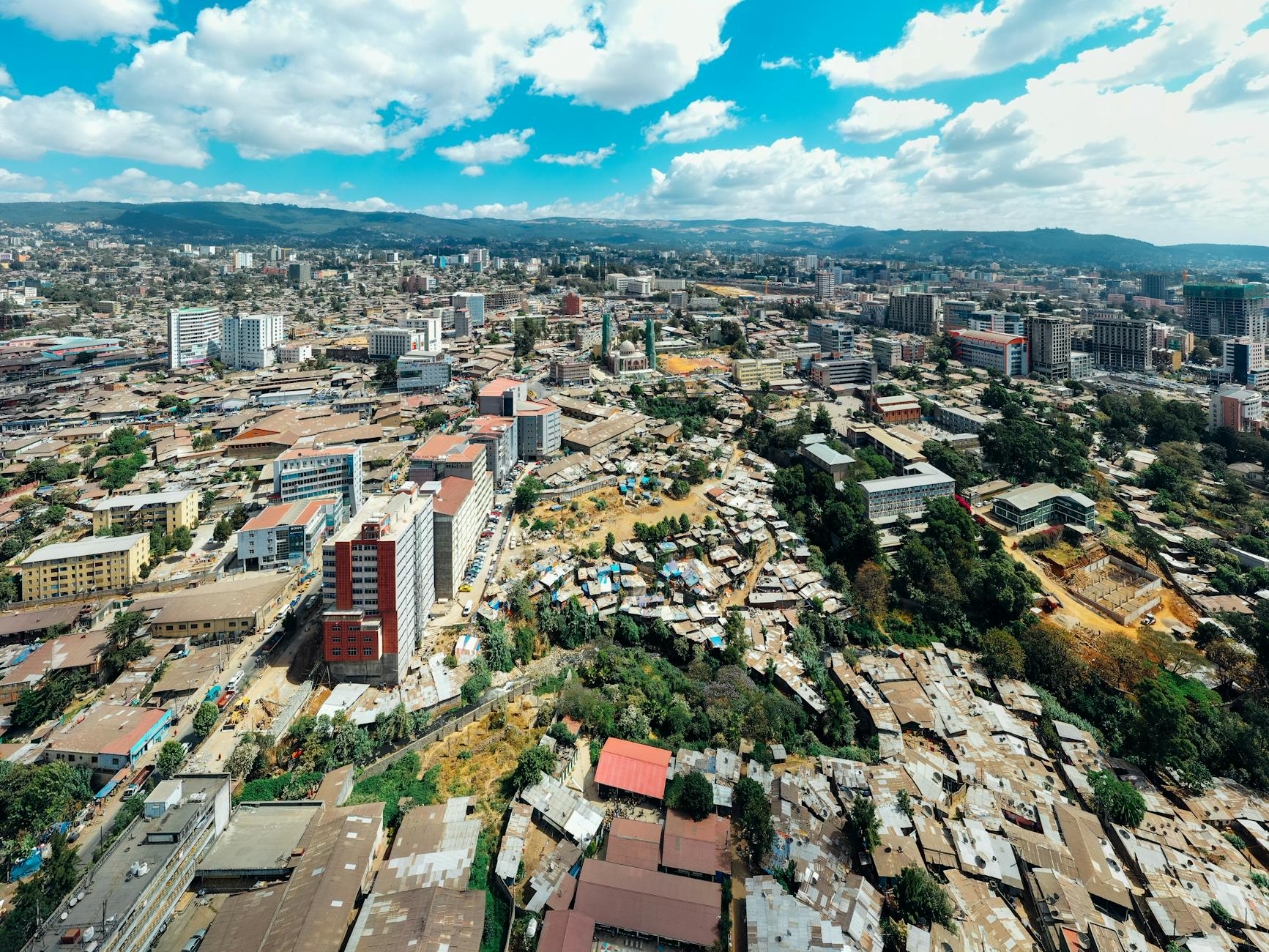
The numbers nobody puts in the brochure
Kenyans call it kipupwe, the cool season, and it runs from about the second week of June to the end of August. Daytime highs in Nairobi settle at 21-22°C, sometimes failing to reach 20°C for days at a stretch in July. Overnight minima drop to 10-12°C, and the sun can stay behind cloud from breakfast to mid-afternoon. Rain is not the issue — July and August are among the drier months, with maybe 20-40mm each — but drizzle and a wet grey mist are common in the mornings, particularly out towards Karen, Ngong and Limuru.
That is a spread of about 11 degrees between night and day at 1,795 metres, which feels far colder than the same figures at sea level because there is no thermal mass anywhere. Concrete buildings shed heat, floors are tiled, and windows are single-glazed. Visitors arriving from a European summer routinely land in shorts and spend the first evening buying a fleece. Pack layers you would take to a British spring: long trousers, a jumper, a jacket for after 6.30pm, and closed shoes rather than sandals.
Why hotel rooms feel cold, and what to ask for
Almost no Nairobi hotel has central heating, because for nine months it would be useless. What you get instead varies wildly and is never stated on booking sites. The better midrange rooms in Westlands, Kilimani and Lavington have a reverse-cycle air conditioner that will actually blow warm — ask specifically whether the unit heats, not just whether the room has air conditioning. Older properties give you a second duvet on request and nothing else. Some Karen and Muthaiga cottages have working fireplaces, and a basket of wood runs about KSh500-1,000.
Three requests are worth making at check-in in July. First, an upper-floor room on the side that catches afternoon sun rather than a ground-floor courtyard room that never does. Second, a hot-water bottle — most Karen and Langata garden hotels keep them and will put one in the bed on request, and it changes the night entirely. Third, confirm that hot water is 24-hour rather than boiler-timed, because a solar-fed system after a grey day means a lukewarm 6am shower. Ask before you unpack; rooms can still be swapped.
What genuinely gets better in the cold months
Ground conditions. Nairobi National Park in July and August is at its most drivable: the black-cotton soil that swallows cars in April is firm, the grass has been grazed down, and rhino, buffalo and lion are visible at distance rather than hidden. The Athi basin dries out and animals concentrate near the dams. Karura Forest's trails in Gigiri stay clean enough for road shoes, the Oloolua trail in Karen is not a mudslide, and the Ngong Hills ridge walk — a full traverse of about 12km, done with a ranger escort for a few hundred shillings — is comfortable in 21°C air rather than punishing.
Air clarity is the other gift. Between weather systems, July and August mornings deliver the long views: Mount Kenya from the Thika Road ridges, and from an Amboseli day the whole Kilimanjaro massif clear of cloud by 6.30am. This is also when the Mara migration is running, so if Nairobi is your hinge for a safari, the light-aircraft schedules out of Wilson Airport are at their densest, with morning departures around 10am and one-way fares in the KSh25,000-35,000 range.
What gets worse, honestly
Swimming. Nairobi hotel pools are almost never heated, and an unheated pool under a July cloud deck sits at 18-20°C. If a pool is a reason you are choosing a hotel, either check for a heated one specifically — a handful of the upper-tier city properties do have them — or accept it will be scenery. The rooftop bars in Westlands and Kilimani that are a delight in February become windy and thinly populated after 7pm, and their outdoor seating gets folded away for the season.
Photography is the other loss. Flat white overcast for hours at a time strips the drama out of the plains and makes midday game drives look washed out. Work with it: shoot early, and treat 11am to 3pm as museum and market time — the National Museum on Museum Hill, the Railway Museum, City Market on Muindi Mbingu Street. Also budget for slower traffic, because Nairobi drivers treat drizzle as a reason to halve their speed and the Waiyaki Way and Mombasa Road backups get 20 minutes worse on a wet morning.
What it costs, and who is competing with you for rooms
This is the subtlety of the cold season. Nairobi city hotels are not in high season — the corporate calendar is mid-strength, and the big conference peak does not start until September — so Westlands and Kilimani midrange doubles hold at roughly KSh8,000-12,000 with breakfast, and Kileleshwa or Parklands guesthouses at KSh5,000-8,000. But anything that sells to safari transit is at its annual peak: single-night rooms in Langata and near Wilson Airport, and the airport-transit hotels on Mombasa Road, tighten from July through September and price accordingly at KSh12,000-20,000.
So book the city and the transit separately, and book the transit early. A Langata bed the night before a 9.30am Wilson departure in mid-August needs three to four weeks' notice; the equivalent Westlands room needs about ten days. Also watch the August school break, which loads the Karen and Langata garden hotels with Kenyan families and adds KSh4,000-8,000 to family rooms at weekends. Midweek in the same properties is far softer, and midweek is when the roads work.
Day-trip planning in cold-season conditions
Altitude decides everything on a day trip in July. Naivasha, at about 1,890 metres, is a touch cooler than Nairobi and often clearer; Hell's Gate is comfortable to walk rather than brutal, and the lower gorge is safer than in the rains, when flash floods close it. Crescent Island walking safaris are pleasant at 20°C. Nanyuki and Nyeri, higher again at around 1,950-2,000 metres, get genuinely cold after dark — near single figures — and if you stay overnight you want a fireplace or a hot water bottle, not a fan room.
Down the escarpment, the pattern reverses. The Rift floor towards Nakuru and the drive south towards Kajiado and Amboseli are warmer and brighter than the city, which makes June to August the sweet spot for those: dust rather than mud, dry murram roads and animals bunched at water. If you have exactly one day and grey Nairobi has been getting you down, the drive down the A104 to the Rift Valley viewpoint above Mai Mahiu almost always breaks through the cloud deck within 40 minutes.
The verdict on booking June to August
Book it. Of the four Nairobi seasons, this is the one that does not cancel your plans — no washed-out afternoons, no closed park circuits, no mud, and no risk that the thing you flew for is unreachable. The price of that reliability is aesthetic rather than practical: you get grey skies, cool evenings and an unusable pool. Set expectations accordingly and the trip works. Expect to eat indoors, pack for 10°C at night, and stop imagining Nairobi as a hot city, because at this altitude it never really is one.
Two refinements. Aim for the first half of June or the last week of August rather than the middle of July, which is the greyest and coolest stretch — you gain a couple of degrees and noticeably more sun. And use Madaraka Day on 1 June as a marker rather than a target: it is a public holiday, the roads out of town jam the afternoon before, and hotels in Naivasha and Nanyuki sell out for that long weekend at KSh18,000-26,000, which is not the value the season otherwise offers.
Questions, answered
Do I need warm clothes for Nairobi in July?
Yes. Bring a fleece or jumper, a light jacket, long trousers and closed shoes. Nights fall to about 10-12°C and hotel rooms have no heating. A scarf is more useful than you would think for grey mornings, and a second layer beats one thick coat because afternoons can reach 22°C.
Is the cold season a bad time for Nairobi National Park?
It is one of the best. Tracks are firm, grass is short and animals concentrate around the dams, so sightings are easier than in April. Go at the 6am gate opening from the Langata Road entrance, dress for 12°C in an open vehicle, and expect the sky to be flat white until mid-morning.
Are hotels cheaper in June, July and August?
In the city, moderately — Westlands and Kilimani midrange doubles run roughly KSh8,000-12,000, below the September to November peak. But safari-transit rooms in Langata and near Wilson Airport are at their annual high, and the August school break lifts Karen family rooms. Book those two categories three to four weeks ahead.
Doing good is the business: every booking through Stay Nairobi funds one verified tonne of carbon removal — same room, same price, no markup.
Start your search