
Transport
How long does it really take to cross Nairobi? Traffic timings, hour by hour
The same 12 km trip takes 25 minutes at 11am and 95 minutes at 6pm, so here is how to plan every journey around Nairobi's two daily peaks.
The honest baseline: two peaks and a wide middle
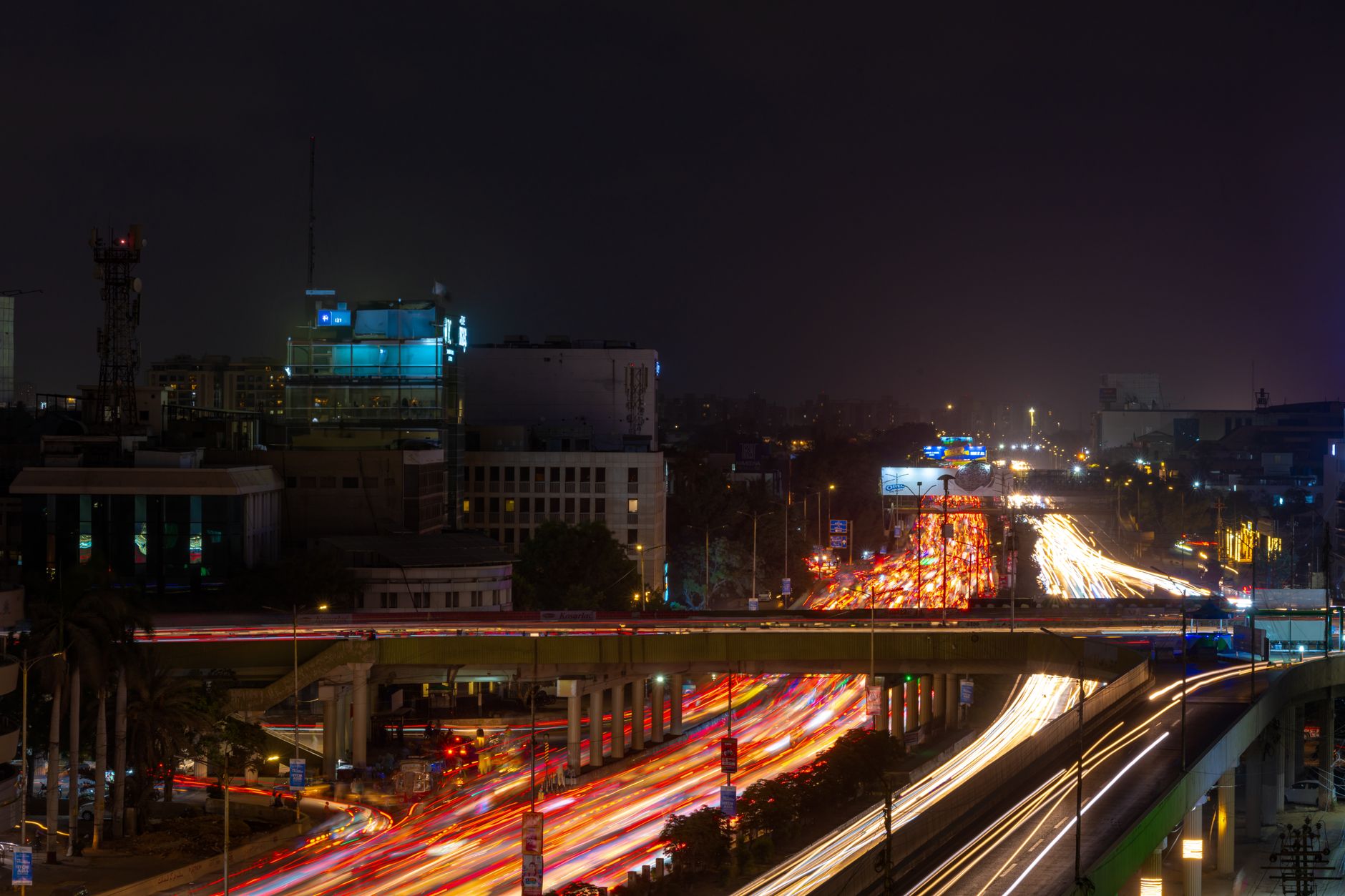
Assume 25 to 35 minutes for any cross-city trip between 10am and 3pm, and double or triple it in the peaks. Inbound congestion builds from about 6:30am and holds until 9:30am. Outbound congestion starts around 4:30pm and does not fully clear until 8pm, later on a Friday. Between those windows the city moves surprisingly well, and before 6:15am the roads are nearly empty. Sunday morning is the fastest time of the whole week: Karen to the CBD, which can take 90 minutes on a Tuesday evening, runs in about 25 minutes at 9am on a Sunday.
The reason is structural rather than seasonal. Nairobi's population is heading past five million, but most arteries are still one dual carriageway feeding a small central grid, with Uhuru Highway acting as the spine that everything crosses. When one junction on that spine backs up, three neighbourhoods stop moving. Google Maps traffic data is genuinely accurate here, updating minute by minute, but add 20 per cent to whatever it says during a peak and 40 per cent if it is raining. Drivers will tell you the same thing in blunter language.
Airport runs: how early to leave for JKIA and Wilson
For an international departure from Jomo Kenyatta International, leave three hours before your flight plus your drive time, and calculate that drive time from the worst case, not the average. From Westlands or Kilimani at 11am you will be at the terminal in 30 to 40 minutes using the Expressway. From the same point at 5:30pm, allow 90 minutes even with the toll road, because the approach roads to the Expressway ramps clog too. From Karen, use the Southern Bypass to Ole Sereni rather than fighting through town, and add 15 minutes to any estimate.
Wilson Airport, off Lang’ata Road, is the departure point for light-aircraft safari flights, and those check-ins close firmly, often an hour ahead for a 7am departure. That means leaving Westlands at about 5:15am. Do it. Lang’ata Road at 6:45am, with the school run and the Nyayo Stadium roundabout in play, is one of the slowest stretches in the city. Book a driver the night before rather than gambling on an app at 5am, when availability thins and surge pricing bites. Hotels in Gigiri and Runda should add a further 20 minutes for Limuru Road.
Route by route: which arteries fail first
Mombasa Road is the most reliably terrible, because it carries airport traffic, freight from the port and the Athi River commuter belt on the same tarmac. Waiyaki Way, the Westlands to Kangemi corridor, seizes inbound from 7am and outbound from 5pm, with the James Gichuru junction as the pinch point. Ngong Road runs well as far as Dagoretti Corner thanks to the dualling, then narrows towards Karen and crawls. Lang’ata Road suffers from a single stretch between Nyayo and Bomas that no amount of patience improves.
Thika Road looks like the solution with its eight lanes, but the exits do the damage: Roysambu, Kasarani and the Garden City slip road stack up while the main carriageway flows. Kiambu Road, connecting Muthaiga to Ridgeways and Runda, has a fearsome reputation among residents and deserves it. Limuru Road past Village Market and Two Rivers is chronically constricted by works and school traffic. Jogoo Road and Outer Ring serve Eastlands and are matatu-dense rather than car-dense, which means constant stopping. If your day involves two of these corridors, split it across the midday window.
The Expressway: when the toll pays for itself
The 27 km elevated road from Mlolongo to James Gichuru charges cars roughly KSh120 for a short hop and up to about KSh360 for the full run, priced by entry and exit point. In the peaks it is the single best-value spend in Nairobi transport: it can turn a 75-minute airport transfer into 25 minutes, and taxi drivers will usually ask whether you want it because the toll is passed on to you. Say yes for any airport run, any trip with a flight or a booked table at the end, and any journey during a downpour.
Between 10am and 3pm, or on a Sunday, decline it. The surface road along Mombasa Road and Uhuru Highway moves fine off-peak and you keep the money. Two practical catches: the Expressway only serves the Mombasa Road to Waiyaki Way axis, so it does nothing for Karen, Kiambu Road or Thika Road journeys, and the exits themselves can queue at Westlands in the evening. If your destination is Kilimani or Upper Hill, exiting at Haile Selassie or Museum Hill and dropping to surface streets is often quicker than riding to the end.
The calendar effects nobody warns you about
Friday evening is worse than any other evening by a clear margin, and the last Friday of the month, when salaries land, is the worst of all. Rain changes everything: a 40-minute afternoon shower in the long rains of March to May can add an hour to a cross-town trip, partly through flooding at underpasses and partly through the caution it induces. Keep the late afternoon of a rainy-season day free of hard commitments. If you must travel then, leave earlier rather than later, since the tail of a wet peak runs past 9pm.
School terms matter more than tourists expect. When the January to March, May to August and September to November terms are running, the 6:15am to 7:30am and 3:30pm to 4:45pm windows carry a heavy school-bus and parent-car load along Ngong Road, Lang’ata Road, Kiambu Road and Peponi Road in particular. During the April, August and December holidays the morning peak softens noticeably. Public holidays clear the roads except around Uhuru Park and the CBD on Madaraka Day, 1 June, Mashujaa Day, 20 October, and Jamhuri Day, 12 December, when parades close central streets.
Ways around it that actually exist
The Nairobi commuter rail service is underused by visitors and worth knowing about on one axis: the Syokimau line runs to the Central Station at the foot of Moi Avenue, so if you are staying near Mombasa Road you can skip the corridor entirely for a fare in the region of KSh50 to KSh100. Services are commuter-timed, roughly early morning inbound and evening outbound, and there is no useful midday train, so it is a one-way tool rather than a network. Check the day's timetable with your hotel, since departures shift.
Boda boda motorcycles slice through jams and every Nairobi resident has used one in an emergency, but the injury statistics are grim and helmets are often decorative. If you use one, use an app-booked rider, insist on the helmet, and keep the trip under 3 km. The better tactic is scheduling: put your CBD museum visit at 10:30am, your Karen lunch at 1pm, and your return before 4pm. And walking is genuinely faster than driving within the CBD grid, where Kenyatta Avenue to the City Market is eight minutes on foot and fifteen in a car.
A day built around the traffic, not against it
Here is a schedule that works from a Westlands base. Leave at 8:45am, once the sharpest inbound peak has passed, for the Nairobi National Museum on Museum Hill, 10 minutes away. At 11:30am cross to the CBD for the City Market and Kenyatta Avenue on foot. Take a car at 1pm to Karen for a late lunch, a 35-minute run at that hour. Be back in Westlands by 4pm at the latest, or commit to staying in Karen until 8pm and eating there. That single decision saves an hour of your life.
The mistake to avoid is booking a morning game drive in Nairobi National Park and an 11am Sheldrick orphanage slot, then trying to add a midday Gigiri appointment. The park's main gate is on Lang’ata Road, Gigiri is on the far side of the city via Limuru Road, and the transfer costs 50 minutes off-peak. Cluster by geography: Lang’ata and Karen in one block, Gigiri and Muthaiga in another, the CBD and Westlands in a third. Two blocks a day is comfortable; three is a day spent looking at bumper stickers.
Questions, answered
What is the quietest hour to travel across Nairobi?
Between 10:30am and 12:30pm on a weekday, and any time before 8am on a Sunday. Those windows regularly deliver 40 to 50 km/h average speeds on arteries that manage 12 km/h at 6pm. Saturday is mid-range: busy around malls from 11am, but nothing like a weekday evening.
Is the Nairobi Expressway toll worth paying for an airport transfer?
Yes, in almost every case. Cars pay roughly KSh120 to KSh360 depending on entry and exit points, and in the evening peak it converts a 75 to 90 minute crawl along Mombasa Road into a 25 to 30 minute run. Off-peak at midday, take the surface road and keep the money.
How much time should I allow from Karen to JKIA?
Ninety minutes at any hour, and two hours if you are leaving between 4:30pm and 7pm. The Southern Bypass is the sensible route, joining Mombasa Road near Ole Sereni rather than crossing town. Off-peak on a Sunday morning the same trip can be done in 45 minutes.
Does rain really make that much difference?
Yes. A heavy afternoon shower during the March to May long rains can add 45 to 60 minutes to a cross-city journey, through underpass flooding, stalled vehicles and general caution. Ride-hailing prices also surge and driver availability drops, so book before the rain starts rather than during it.
Doing good is the business: every booking through Stay Nairobi funds one verified tonne of carbon removal — same room, same price, no markup.
Start your search