
Culture & sights
Nairobi in the rain: an hour-by-hour indoor plan for the long rains
One full wet-weather day, three tight geographic clusters and zero cross-town drives after 4pm, built around how Nairobi's rain actually behaves.
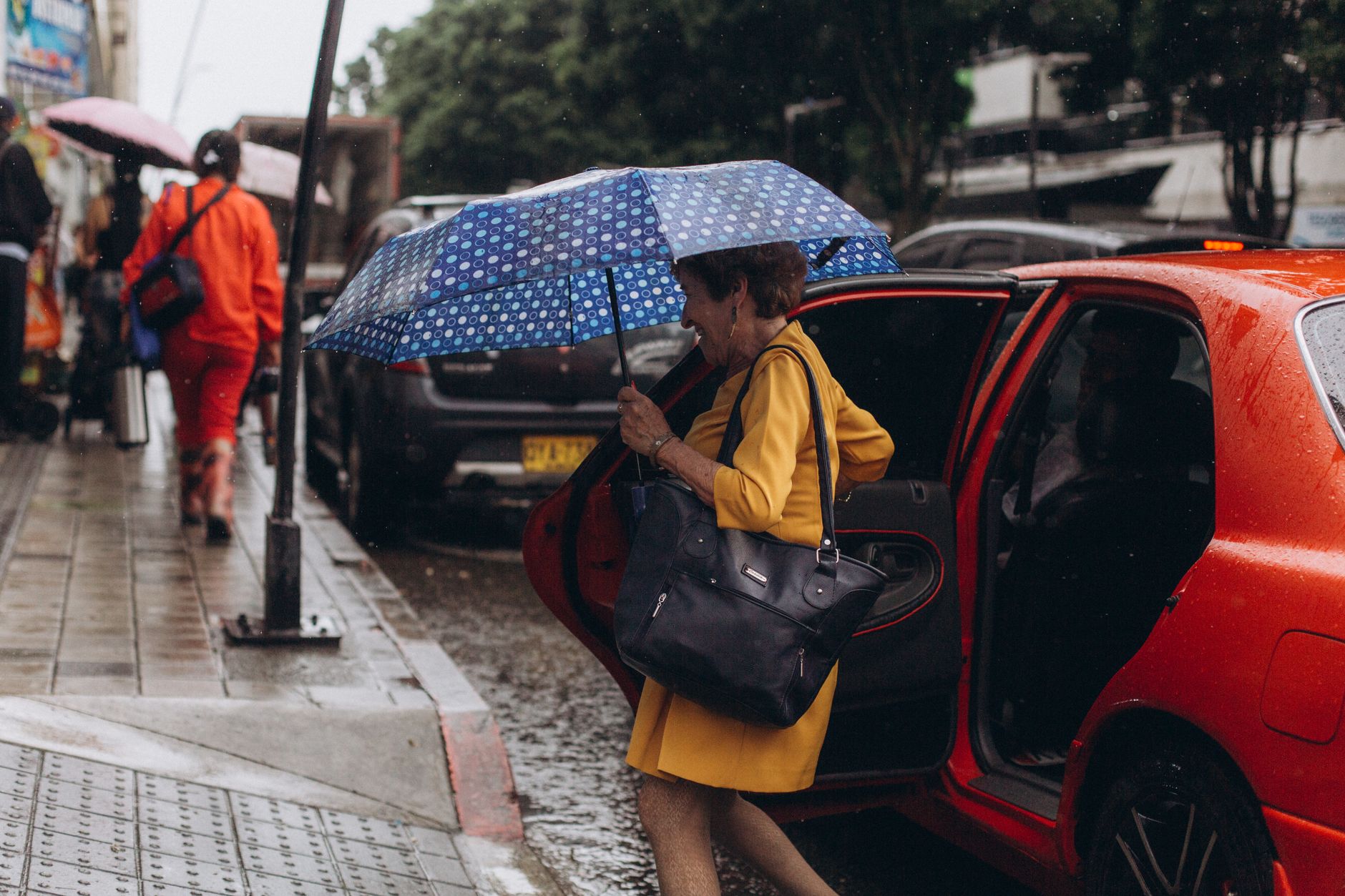
How the rain actually works here
Nairobi's long rains run from mid-March to late May and its short rains from late October into December, and in neither season does it rain all day. The pattern is a bright, cool morning at 16-19°C, cloud building from about 1pm, and a heavy convective cell that dumps 20-40 millimetres between 3.30pm and 6pm before clearing. The morning is therefore not wasted time — it is the best part of the day, and the plan below front-loads anything with a walk in it.
What ruins a rainy day in Nairobi is not the water, it is the traffic. Twenty minutes of downpour turns Waiyaki Way, Ngong Road and Mombasa Road into a car park, ride-hail surge pricing doubles, and the 8-kilometre trip from Westlands to Karen that took 25 minutes at noon takes 90 at 6pm. So the rule is one cluster in the morning, one cluster in the afternoon, and be in your evening neighbourhood by 4.30pm. Everything below respects that.
8.30-11.30am: the Museum Hill cluster
Start at the Nairobi National Museum on Museum Hill, ten minutes from the CBD and Westlands and covered from the car park to the door. Entry is about KSh1,200 for non-resident adults and around KSh200 for citizens. Give it two hours: the Great Hall of Mammals, the Cradle of Humankind gallery with the Turkana Boy cast and the Ahmed elephant tusks, and the upstairs Historia ya Kenya rooms. The ethnographic gallery of Kenya's communities is the one most people skip and the one that best repays a slow, dry morning.
The Snake Park in the same grounds is a separate ticket at roughly KSh1,000 for non-residents and KSh200 for citizens, and it is largely covered walkway — puff adders, black mambas, Nile crocodiles, no drama. Between the two sits a courtyard café where a coffee and a mandazi is KSh400-700. If you have children, add the botanic garden loop only if the sky is still clear; it is unshaded and will soak you in four minutes. Leave Museum Hill by 11.30am, before the lunchtime jam on the roundabout.
11.45am-2pm: lunch and the gallery hour
Two good options, chosen by which half of town you want to be in. West: eat in Westlands, ten minutes away, where the Ethiopian kitchens off Woodvale Grove and the Lebanese and Indian restaurants around Parklands Road do a sit-down lunch for KSh900-2,000. East: drop into the CBD and eat Kenyan — nyama, ugali, sukuma and a soda for KSh500-1,000 in the Kimathi Street canteens — with the rain drumming on a tin awning outside.
Then use the flat hour after lunch for art, which is Nairobi's most underrated indoor asset and almost all of it is in converted houses. The Lavington and Riverside gallery circuit is the strongest — contemporary East African painting, photography and sculpture, free to walk into, and staff who will talk to you for half an hour if it is quiet. Out on the Limuru Road side, the Rosslyn and Red Hill galleries have larger spaces and a longer drive. Pick one, not three; galleries here are 20 minutes apart and every hop costs you weather.
2-4.30pm: three afternoon clusters, pick one
Gigiri and Runda: the Village Market complex has ten-pin bowling at roughly KSh600-900 a game, a cinema, a large craft section and enough covered walkway to spend three hours without seeing sky. It is the best single wet-afternoon building in Nairobi for mixed-age groups, and the Friday Maasai craft market runs under cover in the lower level. Downside: it is 30-45 minutes from the CBD in rain and the food court is expensive at KSh1,200-2,500 a head.
Karen: the craft centre off Langata Road is a series of small rooms of Kenyan textiles, baskets and jewellery, priced fixed and higher than the Maasai markets but honest; the Karen Blixen Museum's farmhouse interior gives you 45 dry minutes and costs about KSh1,200 for non-residents, KSh200 for citizens. Add a long lunch or a spa. Third option, Industrial Area and Mombasa Road: the Railway Museum and, for children, the indoor ice rink on Mombasa Road at KSh1,300-1,800 a session including skates. Choose the cluster nearest tonight's bed.
4.30-7pm: sit out the cell
This is the hour to be off the road. If you are in Westlands or Kilimani, that means a café or a hotel bar; the Kilimani coffee houses along Argwings Kodhek and Ngong Road stay open to 9pm and will happily hold a table. If you are near the CBD, the hotel lobbies on Kenyatta Avenue serve a decent KSh500-900 pot of Kenyan tea and are dry, warm and full of people doing business. Do not attempt a 5pm cross-town transfer for a 6pm booking; you will miss it.
Use the hour productively: book tomorrow. Wet-season sightseeing in Nairobi rewards early starts and advance slots — the elephant orphanage visit at 11am and any Nairobi National Park drive both need booking, and both are far better before 10am when the murram tracks are still firm. Also check tomorrow's forecast against the standard pattern; if the morning is clear, Karura Forest's main paths near the Limuru Road gate drain fast and are walkable within two hours of heavy rain, unlike the park's interior.
7pm onward: what actually happens indoors at night
Nairobi's evening culture is genuinely good and almost all of it is under a roof. The Kenya National Theatre on Harry Thuku Road runs Kenyan plays and comedy most weekends with tickets around KSh1,000-2,000. Alliance Française on Loita Street screens films and hosts live sets, often free or KSh500. Live band nights — benga, rhumba, Afro-fusion — run Wednesday to Saturday in Westlands and along Ngong Road, with covers of KSh500-1,500 and music that starts far later than the poster says, usually 10pm.
Book restaurants that are indoors, which is not a given: a lot of Nairobi's best-known places are garden restaurants with canvas, and in April a canvas roof means a 20-minute conversation shouted over rain. Ask when you reserve. If you want a guaranteed dry, comfortable evening with no driving at all, eat in your own neighbourhood — Kilimani, Lavington, Westlands and Karen all have enough within a KSh300 ride-hail hop that you never need to cross Uhuru Highway after dark.
What to skip in the wet, and where to sleep
Skip Nairobi National Park after heavy rain unless you have proper 4WD — the interior murram becomes greasy and the KWS gate will refuse saloon cars; skip the Ngong Hills ridge walk, which is exposed lightning ground and slick basalt; skip Oloolua and the Karura interior trails on the day of the downpour, though both are fine the following morning. Skip the open-air Maasai markets, which pack up early in rain, and skip any plan that involves being on Mombasa Road between 4pm and 7pm.
Sleep to minimise driving. Kilimani is the best wet-weather base: mid-range hotels and apartment-hotels at KSh7,000-13,000, walkable cafés, and 10-15 minutes to Museum Hill and the CBD outside peak. Westlands at KSh9,000-18,000 buys you the densest cluster of indoor restaurants and bars within 500 metres. Karen at KSh8,000-20,000 is the right call only if your afternoon cluster is Karen, because the Ngong Road commute in the rain is brutal. Gigiri suits families whose whole plan is Village Market.
Questions, answered
Which months should I plan a wet-weather day for?
April is the wettest month in Nairobi, typically 150-250 millimetres, with November second. March, May and December are patchy — expect two or three genuinely wet afternoons in a week. June to September is cool, grey and largely dry, so you’ll want a jumper rather than an indoor plan.
Does the Nairobi Expressway help in the rain?
For Mombasa Road and the airport run, yes — it bypasses the worst flooding points on the old road and tolls run roughly KSh120-360 by section and vehicle class. It does nothing for Ngong Road, Waiyaki Way or Limuru Road, which are where most rainy-evening gridlock actually happens.
Are ride-hailing apps reliable during a downpour?
Cars are available but slow and surged — expect to wait 10-20 minutes and pay 1.5 to 2 times normal, so a KSh400 Kilimani-to-Westlands hop becomes KSh700-800. Boda bodas keep working in rain and are cheap, but a wet motorbike on Nairobi's flooded junctions is a genuinely bad idea.
Is anything actually better in the rain?
The museums empty out, the jacarandas and the Karura waterfall look their best, air quality is superb, and Nairobi drops to 16-18°C, which makes a hot lunch and a long gallery afternoon a pleasure. Nairobi National Park's grass is also green and photogenic, if you can wait a day for the tracks to firm up.
Doing good is the business: every booking through Stay Nairobi funds one verified tonne of carbon removal — same room, same price, no markup.
Start your search