
Culture & sights
Is Nairobi wheelchair accessible? An honest guide
Nairobi is manageable with a private vehicle, a travelling companion and low expectations of pavements — but around 90 percent of your movement will be by car, because the streets themselves are the problem.
The realistic verdict
Nairobi can be travelled by wheelchair users, and thousands of Kenyans do it daily, but the city was not built for it. Indoor environments — newer hotels, malls, banks, the bigger restaurants, the airport — range from adequate to good. Outdoor environments are the barrier: pavements appear and disappear, kerbs are 20-30cm with almost no dropped crossings, storm drains sit open beside walkways, and construction hoardings routinely push pedestrians into live traffic lanes. The workable model is door-to-door by private car with a driver, with walking distances kept under 100 metres.
That model is affordable here in a way it is not in Europe or North America. A car with a driver for a full day runs roughly KSh8,000-15,000 depending on vehicle and distance, and a good driver who understands your needs becomes the single most valuable piece of infrastructure on the trip. Book the same driver for the whole stay rather than using apps ad hoc, brief them clearly on transfers and stowage on day one, and they will handle kerbs, gates, staff and parking negotiations for you. That relationship does more for access than any facility rating.
Arrival at Jomo Kenyatta International
The airport handles assistance requests reasonably well when they are pre-booked through the airline at least 48 hours ahead: aisle chairs, ambulift access to aircraft doors on stands without jet bridges, and staff assistance through immigration and baggage. Terminal 1A is the main international building and has lifts, ramps and accessible toilets, though the toilets are not always spotless and one may be out of service. Immigration queues can run 30-45 minutes at peak arrival banks around 6am and 9pm; assistance staff will usually route you to a shorter line, but confirm this rather than assume it.
The critical step is arranging the vehicle before you land. Standard taxis and ride-hail sedans require a transfer from the chair into the seat and the chair folded into the boot, which is fine for many travellers and impossible for others. If you use a powerchair, you need a lift- or ramp-equipped van, and there are only a handful in Nairobi — they are operated by specialist inbound tour companies and by a small number of accessible-transfer providers, so book weeks ahead, not on arrival. Kerbside at arrivals is chaotic; agree a specific pick-up bay by phone in advance.
Getting around the city
Matatus, buses and boda bodas are effectively inaccessible — high steps, no securement, no ramps, conductors working at speed and drivers who will not wait. Do not plan around them. The commuter rail and the Nairobi Expressway are irrelevant to the problem, since neither solves the last 200 metres. Ride-hail apps (Uber, Bolt, Little, inDrive) are cheap and plentiful, and are a good option for manual chair users travelling with a companion who can manage the transfer and fold; expect KSh400-800 for short hops within Westlands or Kilimani and KSh1,200-2,000 across town.
The stronger arrangement remains a hired car with a driver for the day or the week, with the seats configured for you. Ask for a saloon with a wide-opening rear door or a high-roof van depending on your transfer method, and confirm the vehicle can carry your chair without dismantling it. Nairobi's parking is a genuine plus: malls, hotels and most attractions have large car parks, guards will let a driver stop right at the entrance if asked, and designated accessible bays exist at the newer malls though they are frequently occupied by other cars.
Hotels: the questions that actually matter
Do not accept an accessible room claim without specifics, because the term is used loosely here. Ask for the doorway width in centimetres — you want 80cm or more — whether the bathroom has a roll-in shower or only a bathtub, whether there is a step at the room threshold, whether the entrance to the building has a ramp or only stairs, and whether the lift is large enough for a chair plus a companion. Ask for photographs of the bathroom taken that week. Newer international-standard properties in Westlands, Gigiri and along Mombasa Road are the most likely to deliver.
Two Nairobi-specific questions. First, generators: power cuts are routine, and you want to know that the lift runs on backup power, because a stairs-only building at 8pm is a serious problem. Second, ground-floor availability: older Karen and Lavington cottage-style properties are charming and often have steps at every threshold, but some can put you in a garden-level room with a level entrance. Colonial-era landmark hotels in the city centre have grand staircases and retrofitted lifts of varying size. Always ring the hotel directly rather than relying on a booking site's accessibility checkbox.
Attractions ranked by how well they actually work
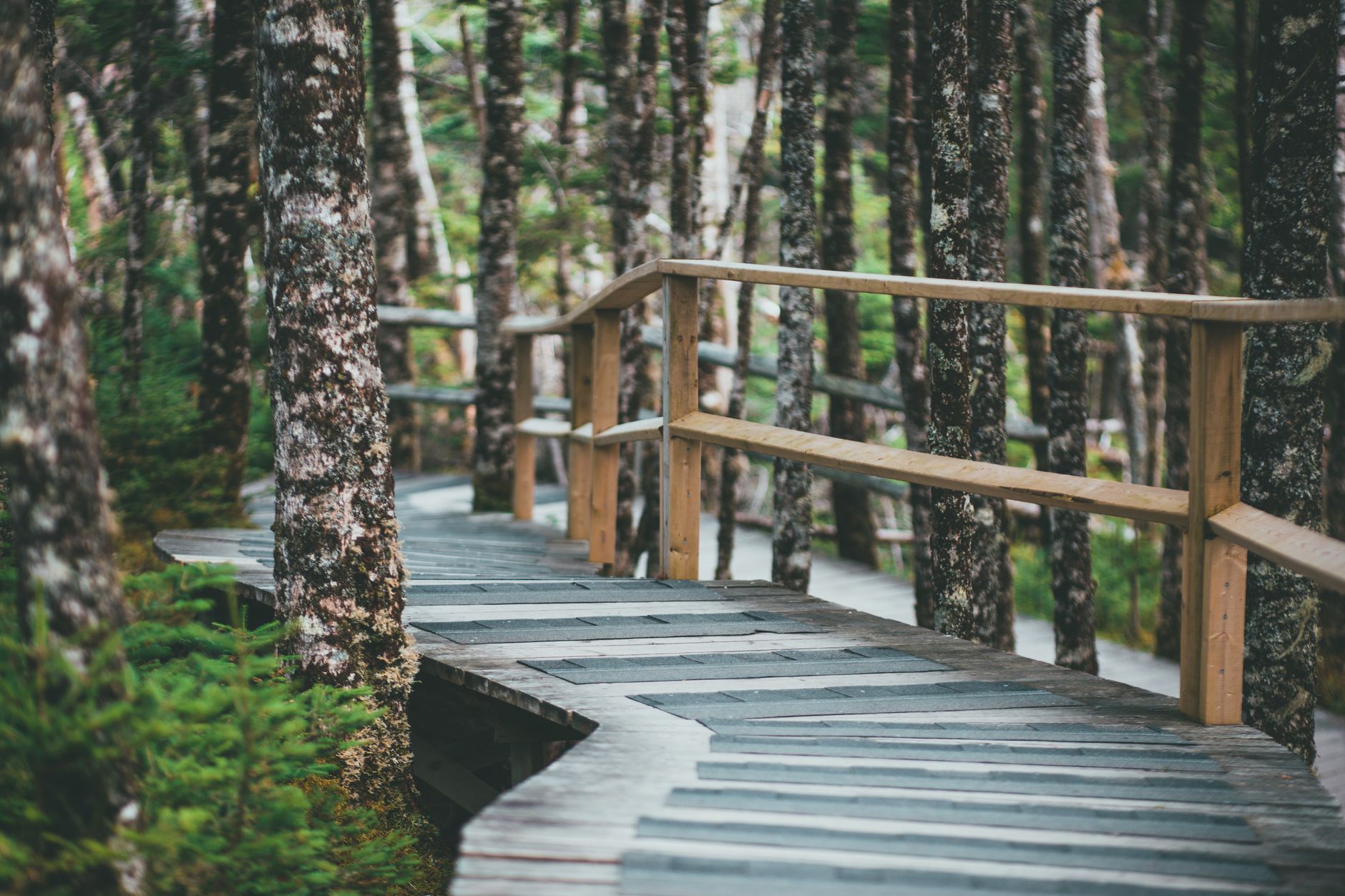
The Nairobi Safari Walk at the Kenya Wildlife Service headquarters on Langata Road is the standout: a raised timber boardwalk of roughly 1.5-2km through habitats holding rhino, big cats, antelope and birdlife, with gentle gradients and no stairs, at around KSh2,800 for non-resident adults. Nairobi National Park itself works well because you never leave the vehicle — entry for non-residents runs around KSh5,500, gates open at 6am, and the murram tracks are bumpy but the wildlife comes to you. Between them, those two give you most of what visitors come to Nairobi for.
The rest is mixed. The National Museum on Museum Hill has lifts and ramps in the main galleries and is broadly workable, though the Snake Park paths outside are uneven. The elephant orphanage viewing area involves a sloping red-earth path that turns to sticky mud in the March-May rains; staff help willingly but the surface is the issue. The giraffe feeding platform is reached by stairs, with ground-level fence feeding possible if you ask a keeper. Karura Forest's main tracks from the Limuru Road gate are graded and firm for the first couple of kilometres; the waterfall and caves are not reachable.
Malls, restaurants and the toilet question
The newer malls are the reliable indoor infrastructure of the city: Village Market and Two Rivers in Gigiri, Sarit and Westgate in Westlands, The Hub in Karen, Yaya in Kilimani and Garden City on Thika Road all have lifts, level entrances, accessible parking and accessible toilets. This matters more than it sounds, because accessible public toilets elsewhere in Nairobi are close to nonexistent — plan your day around known facilities, and treat a mall as a rest stop rather than a shopping trip. Petrol station forecourt toilets are common but rarely adapted.
Restaurants split sharply. Mall restaurants and hotel dining rooms are level-access and spacious. The garden restaurants and converted-house venues that make Nairobi eating so pleasant — the Karen and Lavington places with gravel drives, lawn seating and steps between terraces — are often difficult, though staff will usually rearrange a table on the accessible level if you ring ahead. Nyama choma joints tend to be open-plan and level but with rough ground outside. Phone before you go, ask about steps at the entrance and about the toilet, and pick the venue that gives you a straight answer.
Equipment, repairs and medical backup
Bring spares — inner tubes, a puncture kit, chair fixings — because Nairobi's road surfaces punish wheels and specialist parts are not stocked in supermarkets. The Association for the Physically Disabled of Kenya runs workshops in Nairobi that make and repair wheelchairs, and they are the practical first call for a broken frame or a wheel problem; a repair that would take a week to arrange from abroad can often be done locally in a day or two. Local bicycle workshops can handle tyres and bearings competently and cheaply if you supply the parts.
Medical standards in Nairobi's private hospitals are high by regional measure, which is one reason the city functions as East Africa's medical hub. The Nairobi Hospital and Aga Khan University Hospital are the two most commonly used by visitors, with MP Shah in Parklands and The Karen Hospital covering their respective sides of town. All accept international insurance with pre-authorisation, and all can handle pressure care, catheter supplies and prescriptions. Bring a written list of medications with generic names, and carry enough supplies for the trip rather than expecting a specific brand to be available.
Day trips and what to skip
Lake Naivasha, about 90 minutes away on the Southern Bypass and Mai Mahiu road, is the best accessible day trip: boat operators can help with transfers from a jetty, the lakeside lodges are largely single-storey with level lawns, and the birdlife and hippos are viewed from the boat. Nairobi National Park is on your doorstep. Amboseli and the Maasai Mara are reachable by light aircraft from Wilson Airport with Safarilink or AirKenya, but boarding a Cessna Caravan involves narrow doors and steps, so discuss your transfer method with the airline before booking, and expect a hands-on assisted lift.
Skip the Ngong Hills ridge walk, the Nairobi National Park walking trails at Hippo Pools, the Oloolua gorge steps and any market visit that involves the crowded downtown streets around River Road, where the pavement conditions and press of people make chairs unworkable. Skip long CBD walking itineraries generally. What you lose in street-level texture you can recover through a good guide and a car: Nairobi's best experiences — the park at dawn, the boardwalk, the museum, the Karen colonial-era houses, a Naivasha boat — are all reachable without ever tackling a Nairobi pavement.
Questions, answered
Are there accessible taxis in Nairobi?
Very few. Ride-hail sedans require a transfer and a folded chair, which suits many manual chair users travelling with a companion. Lift- or ramp-equipped vans exist through a small number of specialist tour operators and accessible-transfer providers, and demand exceeds supply, so book several weeks ahead rather than trying to arrange one on arrival.
Can I do a safari from Nairobi in a wheelchair?
Yes. Nairobi National Park is a vehicle-based drive with non-resident entry around KSh5,500 and gates opening at 6am, so you stay seated throughout. The Nairobi Safari Walk boardwalk at the KWS headquarters, roughly KSh2,800, is step-free for its full length and is the most reliably accessible wildlife experience in the city.
How much should I budget for accessible transport?
A car with a driver for a full day runs roughly KSh8,000-15,000 depending on vehicle size and mileage, which is the backbone of an accessible Nairobi trip. Individual ride-hail hops cost KSh400-800 within a suburb and KSh1,200-2,000 across town. Lift-equipped vans command a significant premium and are quoted per itinerary.
Are hotel accessible rooms genuinely accessible?
Sometimes. The label is applied loosely, so verify specifics: doorway width of 80cm or more, roll-in shower rather than a bathtub, no step at the threshold, a ramp at the building entrance, and a lift on generator backup. Ask for recent photographs of the bathroom and call the hotel directly rather than trusting a booking-site checkbox.
Doing good is the business: every booking through Stay Nairobi funds one verified tonne of carbon removal — same room, same price, no markup.
Start your search