
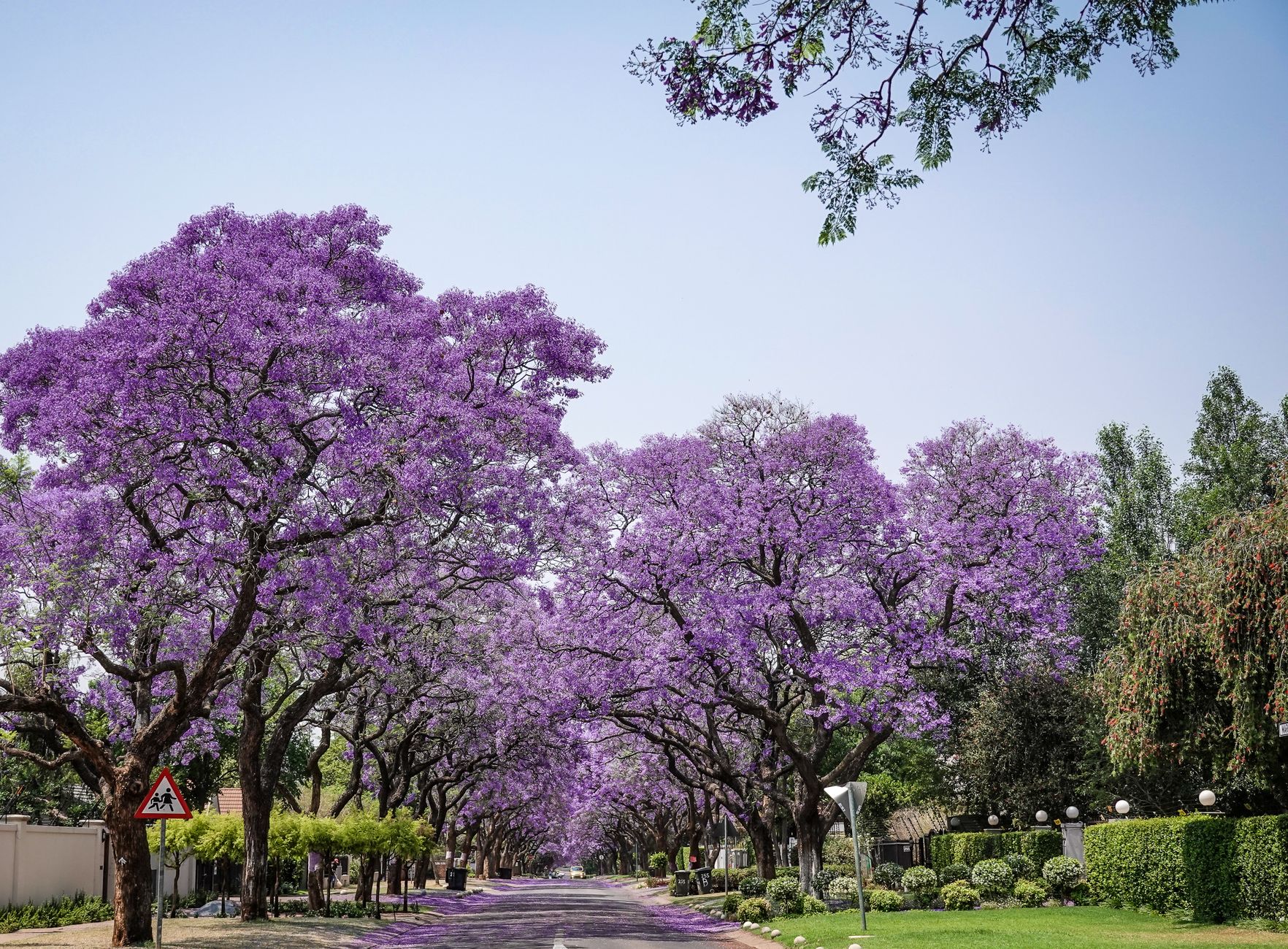
Who books Kileleshwa and who regrets it
Kileleshwa sits about 4km west of the CBD, wedged between Kilimani, Lavington and the Nairobi River gorge, and it has quietly become the city's apartment belt. It suits the traveller staying five nights or more who wants a kitchen, a washing machine and a bedroom that is not on a main road: consultants working Upper Hill or Westlands contracts, families visiting relatives, medical visitors doing follow-ups at the Kilimani and Hurlingham clinics, and anyone who has done one noisy trip in the CBD and never wants another. Nights here are properly quiet, which in Nairobi is a real amenity.
It is the wrong call if you have three nights and no plan. There is no cluster of restaurants to stumble into, pavements come and go mid-block, and street lighting on the residential roads is patchy enough that most residents would not walk Gatundu Road at 9pm. Solo travellers on a tight budget end up spending KSh1,200-1,800 a day on ride-hailing just to eat, which erases the saving on the room. If your itinerary is museum, market, safari, dinner, book Kilimani or Westlands and pay the difference.
What a night actually costs here
The stock is dominated by serviced apartments rather than hotels. A one-bedroom with a proper kitchen, backup generator and a guard at the gate sits at KSh5,500-9,000 a night; two-bedrooms with a balcony and a small pool on the roof run KSh8,000-14,000. The newest towers on Ring Road Kileleshwa and off Laikipia Road ask KSh15,000-20,000 for three bedrooms, which is genuinely good value for a family of five who would otherwise book two hotel rooms. Weekly rates are worth asking for directly: seven nights usually comes in at five-and-a-half nights of the daily rate.
For comparison, the same specification in Westlands runs KSh11,000-22,000 and in Gigiri KSh18,000-30,000. Where Kileleshwa is not cheap is the very bottom end: there is no hostel scene and few guesthouses under KSh4,000, because the land is too valuable for anything low-rise. Two costs surprise people. First, many blocks charge a refundable deposit of KSh5,000-10,000 on arrival. Second, when the mains water is out, buildings truck it in, and a few pass on a levy of KSh500-1,000 a night. Ask before you confirm.
The layout, road by road
Think of Kileleshwa as a triangle. Ring Road Kileleshwa forms the eastern edge and carries you down to Kilimani and Argwings Kodhek Road in about seven minutes off-peak. Othaya Road and Gatundu Road run through the middle and are where most of the newer blocks stand. Laikipia Road is the small commercial spine, with Kasuku Centre at its heart. To the north and west the ground drops into the river valley and climbs again into Lavington along Gitanga Road, which is the through-route everyone uses and therefore the road to avoid living on.
The suburb has changed fast. Ten years ago it was single-storey houses on half-acre plots; today it is high-rise, and construction is constant. That matters when you book. Ask the host which direction the windows face and whether there is a site next door, because a jackhammer starting at 7am on the plot opposite ruins a stay. Higher floors from the fifth up get you above the road noise and, on the western side, a view over the treetops to the Ngong Hills. The lower floors of the same block are noticeably darker and hotter.
What is genuinely within walking distance
Kasuku Centre on Laikipia Road is the anchor and it is a ten to fifteen minute walk from most of the suburb. You get a supermarket, a pharmacy, an ATM, a butchery, a barber, a couple of cafes and a decent Ethiopian place, which is enough to run a self-catering week without a car. There is a second small shopping centre at the Ring Road junction with a supermarket that stays open late. Beyond that, walkable stops thin out fast: a fruit stall on Mandera Road, a hardware shop, a few takeaway kitchens serving pilau and chapati to office staff at lunchtime.
Yaya Centre in Kilimani is about 2km from the eastern edge, which is a 25-minute walk in daylight if you are willing to deal with Ring Road traffic and a stretch without pavement. Lavington Mall is a similar distance west, over the river bridge on Gitanga Road, and the same caveats apply. Nobody local walks either route after dark. There is no park in Kileleshwa itself, so if you want to run, the Arboretum off State House Road is the nearest proper green space at roughly 3km, and it costs a few hundred shillings to enter.
Getting out: the CBD, Westlands and the airport
Ride-hailing is the default. Kileleshwa to the CBD runs KSh400-700 and takes fifteen minutes at 11am or fifty at 6pm. Westlands is KSh350-600, Upper Hill KSh400-650, Karen KSh700-1,100 and Jomo Kenyatta International KSh1,500-2,500 depending on time and surge. Give the airport run ninety minutes in the evening peak, or take Waiyaki Way to the Expressway entrance at Museum Hill and cut the whole Mombasa Road crawl, which typically costs an extra KSh300-360 in tolls but saves half an hour.
Matatus do run: Kawangware and Lavington-bound vehicles use Ring Road Kileleshwa and Gitanga Road, and a fare into town is in the KSh50-100 range depending on hour and rain. They are fine in daylight if you are comfortable with the system, but they will not drop you close to a residential gate, and hauling a suitcase off one at the Ring Road junction is nobody's good time. If you are here for a week and working, budget for a driver at KSh6,000-9,000 a day rather than booking twelve separate rides.
Eating, drinking and stocking the kitchen
The honest picture is that Kileleshwa eats out in Kilimani. The Wood Avenue and Argwings Kodhek strip, ten minutes away by car, holds the sushi, the Levantine grills, the Korean barbecue and the late bars. Within Kileleshwa itself you get Kasuku Centre's small run of restaurants, a well-regarded Ethiopian kitchen doing tibs and injera for around KSh900-1,400, a pizza place, and two or three neighbourhood bars off Laikipia Road that fill with residents on Friday and empty by midnight. It is a suburb that goes to bed early, which is exactly what a lot of guests are paying for.
For self-catering, the Kasuku supermarket handles basics and the Ring Road branch covers the rest. Prices are ordinary Nairobi supermarket prices: a kilo of tomatoes around KSh150-200, a loaf KSh70-90, a whole chicken KSh700-900, half a kilo of good beef from the butchery KSh350-450. Vegetable vendors set up on the corners in the late afternoon and are cheaper than the shops for greens, avocados and bananas. If you want a proper market, Kawangware is a fifteen-minute drive west and is where the produce actually comes from before it is marked up.
Kileleshwa, Kilimani or Lavington: pick one
Book Kileleshwa if you are here four nights or more, you want a kitchen, you are comfortable ordering rides, and quiet is worth more to you than convenience. It is the best value-per-square-metre in this part of Nairobi and the safest neighbourhood feel of the three at night, mainly because so little happens on its streets after dark. Ask for a unit above the fifth floor, with a generator, borehole backup and a lift that is not the building's only one.
Book Kilimani instead if you have three nights or fewer, want to walk to dinner and enjoy a bar scene; you will pay KSh1,500-3,000 more a night and hear more traffic. Book Lavington if you are travelling with young children and want a garden, a low-rise block and a genuinely large mall you can walk to, at roughly Kileleshwa prices plus ten per cent. Of the three, Kileleshwa is the one I would book for a two-week working trip and the last one I would book for a long weekend.
Questions, answered
Is Kileleshwa safe to walk around at night?
Residents walk the Laikipia Road strip until about 8pm and drive after that. The residential side roads have uneven street lighting and few pedestrians, so opportunistic phone snatching is the realistic risk. Order a ride for anything after dark, even the 2km to Yaya Centre, and it will cost you KSh250-350.
Are there real hotels in Kileleshwa or only apartments?
It is overwhelmingly serviced apartments and small aparthotels rather than full hotels with restaurants and front desks. If you need daily housekeeping, room service and a bar downstairs, look at Kilimani or Westlands. If you want a kitchen, laundry and space for KSh7,000-14,000 a night, Kileleshwa is the stronger buy.
How long does it take to reach the airport from Kileleshwa?
Twenty-five to thirty-five minutes off-peak, and up to ninety in the Friday evening crawl. Route via Waiyaki Way and the Nairobi Expressway rather than Mombasa Road when traffic is bad; expect roughly KSh300-360 in tolls on top of a KSh1,500-2,500 ride fare.
Do apartments here have backup water and power?
Most newer blocks have a generator and a borehole or tank, but not all, and Kileleshwa does get mains water interruptions. Ask the host directly about both before paying, and check whether a water-trucking levy of KSh500-1,000 a night gets added at check-in.
Doing good is the business: every booking through Stay Nairobi funds one verified tonne of carbon removal — same room, same price, no markup.
Start your search