
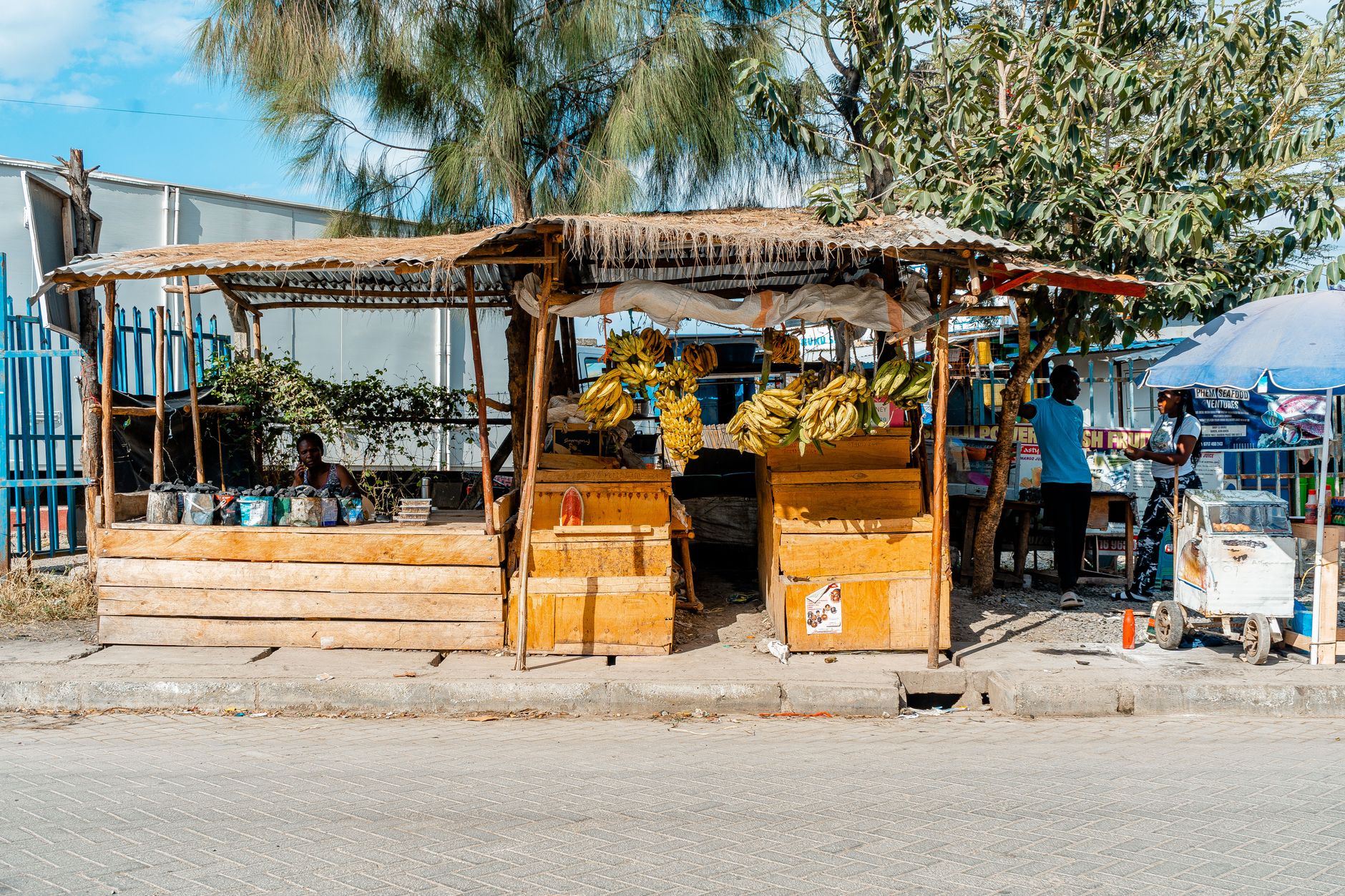
Beds under KSh6,000
Budget accommodation in Nairobi divides into CBD business hotels, suburban backpackers and church-run guesthouses. In the centre, Kenya Comfort Hotel on Muindi Mbingu Street and its sister Kenya Comfort Suites on Fatima Court run about KSh4,500 to KSh6,500 for a double with breakfast, and you are walking distance from Kimathi Street lunch spots and matatu stages. The YMCA on State House Road is around KSh4,000 with a pool. These are functional, secure and loud; ask for a room off the street side.
For gardens instead of traffic, Wildebeest Eco Camp on Mokoyeti Road West in Langata has dorm beds near KSh2,500, garden tents from about KSh6,000 and a lawn bar, which puts you 15 minutes from the Giraffe Centre. Milimani and Kilimani guesthouses off Ralph Bunche Road and Rose Avenue advertise doubles at KSh4,000 to KSh7,000 and are a better base for restaurants. Whatever the price, confirm hot water, a generator and whether breakfast is included; in this bracket those three details vary wildly between listings on the same street.
Day one: the free city on foot
Start with the CBD walking loop, which costs nothing. Begin at the Railways roundabout, go up Moi Avenue past the Kenya National Archives on Kenyatta Avenue — the building itself is free to enter and the Murumbi African art collection upstairs costs a few hundred shillings — then walk Kimathi Street past the Sarova Stanley, cut through City Market on Muindi Mbingu Street for the flower and basket stalls, and finish at Jeevanjee Gardens for a bench under the fig trees. Two hours, no fees, and it is the fastest way to stop feeling like a tourist.
In the afternoon, take the Uhuru Highway footbridge to Uhuru Park and walk the lake path, then continue to the Nairobi Arboretum off State House Road, where entry for visitors is a nominal few hundred shillings and 30 hectares of labelled trees make a good picnic. Buy lunch on the way: chapati and beans from a kiosk runs KSh100 to KSh150, a plate of ugali, sukuma wiki and beef stew at a workers' canteen around KSh250 to KSh400. Get back to your room before dark rather than lingering in the park at dusk.
Day two: the two fees worth paying
On a budget, choose your entry fees ruthlessly. Pay for the Sheldrick Wildlife Trust orphan elephant visit, 11am to noon daily, booked online, about KSh1,300 per adult — it is an hour with rescued calves and their keepers and nothing else in the city compares. Pay for the Giraffe Centre on Duma Road, about KSh1,500 non-resident, open 9am to 5pm, because feeding a Rothschild's giraffe from the platform is a genuine 20 minutes of contact. Both are in Langata and easily combined in one morning.
Getting there cheaply means matatus. Take route 24 or 125 from the Kencom stage on Moi Avenue toward Langata and Karen for KSh100 to KSh150, then a boda-boda motorbike for the last two kilometres at KSh100 to KSh200; agree the fare before getting on and insist on a helmet. Skip Nairobi National Park on this itinerary — non-resident entry alone is about KSh5,600 and you also need a vehicle, which blows a whole day's budget. Substitute the free viewing from the Ole Sereni terrace on Mombasa Road over a KSh500 coffee.
Day three: museum, market, and the Ngong ridge
Give the morning to the Nairobi National Museum on Museum Hill Road, 8.30am to 5.30pm, about KSh1,200 for non-resident adults, with the Snake Park included on the same ticket. It is the best value paid attraction in the city and the human-origins gallery gives context to everything else in Kenya. Walk in from the CBD via University Way to save a taxi fare, and eat in the museum's courtyard café or bring a packed lunch to the botanic garden trail behind the Great Hall.
In the afternoon, hit whichever Maasai Market is running — Tuesday at Prestige Plaza on Ngong Road, Thursday at The Junction, Friday at Village Market, Sunday at Yaya Centre — and treat it as a game rather than a shop. Opening prices run three times the real number; soapstone should land near KSh600, a kikoi around KSh1,200, small beaded bracelets KSh300. If you have energy left, matatu route 111 toward Ngong town costs about KSh120 and puts you at the Ngong Hills forest station for a two-hour ridge walk with a ranger escort.
Eating for KSh1,500 a day
Nairobi is generous to cheap eaters if you eat where people work. Breakfast is mandazi and chai from a street cart, KSh80 to KSh150. Lunch is the main meal: a full plate of ugali, sukuma wiki and beef or beans at a canteen in the CBD or Ngara costs KSh250 to KSh400, and githeri, the maize-and-bean staple, comes in around KSh200. For an upgrade, K’Osewe Ranalo Foods on Kimathi Street does whole fried tilapia with ugali for about KSh900 — the single best budget splurge in the city centre.
Dinner in the suburbs means nyama choma or chicken and chips. Roadside butcheries along Ngong Road and in Kawangware sell grilled goat by the kilo at KSh900 to KSh1,300, which two people can share with kachumbari salad. A half chicken with fries is KSh500 to KSh700. Tusker beer is KSh200 to KSh300 at a local bar, three times that in a Westlands lounge. Fill your bottle from purified dispensers in supermarkets at around KSh30 a litre rather than buying single bottles at KSh80.
Moving cheap without getting caught out
Matatus cost KSh50 to KSh150 for almost any trip inside the city, doubling in the rain and at rush hour. Learn three stages: Kencom and Ambassadeur on Moi Avenue for southbound and eastbound routes, Koja for Thika Road, and the Odeon area for western suburbs. Pay the conductor after boarding, keep small notes, and never put a phone on your lap by the window. Boda-bodas are quicker and riskier; use them for short hops in daylight at KSh100 to KSh200 and skip them on Mombasa Road and Thika Road entirely.
From the airport, the cheapest legitimate option is a Bolt at KSh1,200 to KSh1,800 to the CBD; if the driver takes the Nairobi Expressway, the car toll from JKIA is about KSh360 and worth it at rush hour. There is also a Kenya Railways commuter train between the airport-adjacent Embakasi Village station and Nairobi Central Station for under KSh100, but the timetable is thin and it is a false economy with luggage. After 8pm, always pay for a ride-hailing car rather than walking or waiting at a stage.
Questions, answered
How cheap can three days in Nairobi be?
Around KSh8,000 to KSh9,000 per person per day is realistic and comfortable: KSh4,500 for a room, KSh1,500 for food, KSh800 for matatus and boda-bodas, and the rest for entry fees. Hardcore budget travellers in dorms at KSh2,500 with canteen meals can get under KSh5,000. The Sheldrick nursery and Giraffe Centre together are about KSh2,800 and worth the line item.
Are matatus safe for tourists in Nairobi?
In daylight, yes, with normal city precautions. Keep your bag on your front, do not display a phone near an open window, and pay attention at the stage rather than on the vehicle. Fares are KSh50 to KSh150 and rise in the rain. After dark, switch to Bolt or Uber — the risk is not the matatu but standing at a stage at night.
Can I visit Nairobi National Park on a budget?
Not easily. Non-resident entry is about KSh5,600 per adult and you also need a vehicle, so a shared van seat typically brings the day to KSh9,000 or more. If that breaks the budget, skip it, do the Sheldrick nursery and Giraffe Centre instead, and watch zebra and giraffe for free from the terrace at Ole Sereni on Mombasa Road over a coffee.
Where is the cheapest safe area to stay in Nairobi?
The CBD around Muindi Mbingu Street and Fatima Court has the cheapest secure hotels at KSh4,500 to KSh6,500 with breakfast, and puts you on the matatu network. Langata and Kilimani cost about the same but feel calmer at night; Wildebeest Eco Camp in Langata has dorms near KSh2,500. Avoid the cheapest rooms around River Road, which are noisy and rough after dark.
What free things fill a budget day in Nairobi?
The CBD walking loop past the Kenya National Archives, City Market and Jeevanjee Gardens; Uhuru Park and Central Park; window-shopping the roaming Maasai Market; and the KICC forecourt on Harambee Avenue. The Arboretum and Karura Forest charge only small entry fees, a few hundred shillings, for hours of walking. Sunday afternoons in Uhuru Park are free entertainment in themselves.
Doing good is the business: every booking through Stay Nairobi funds one verified tonne of carbon removal — same room, same price, no markup.
Start your search