
Experiences
Nairobi nightlife: where to go and where to skip
Nairobi drinks late and loud across three main belts, and the gap between a great night and a bad one is about four kilometres of road. Here are the venues worth booking, the ones to skip, and what a Tusker costs in each — from KSh200 to KSh800.
The three nightlife belts, and which one to sleep in
Nairobi nightlife concentrates in Westlands, Kilimani and the Karen–Langata fringe, and they are not interchangeable. Westlands, centred on Woodvale Grove, Mpaka Road, Muthithi Road, Ojijo Road and Parklands Road, is the densest: dozens of bars within a ten-minute walk, garden venues, rooftops and clubs that run to 3am on weekends. Kilimani, along Lenana Road, Chania Avenue and Argwings Kodhek Road, is slightly older-skewing, more lounge than club, with better parking and shorter queues. Karen and Langata are for early drinks in gardens rather than late nights, and everything there requires a car.
This is a where-to-stay decision as much as a going-out one. If nightlife is the point of your trip, sleep in Westlands: mid-range hotels off Woodvale Grove and Mpaka Road run about KSh9,000 to KSh16,000 a night and let you walk home instead of paying KSh600 to KSh1,200 for a 1am ride-hail across town. Kilimani doubles sit in a similar range and give you a quieter street to sleep on. Upper Hill and the CBD are cheaper, from around KSh5,000, but you will be commuting to every bar and back.
Westlands: the venues worth your night
The Alchemist Bar on Parklands Road is the default answer for a first night: a walled yard with shipping-container bars, food trucks, a mixed local and expat crowd and live sets most Thursdays. Entry is often free early and KSh500 or so on big nights, a Tusker runs about KSh350 to KSh450, and cocktails land near KSh900. K1 Klub House on Ojijo Road is the sprawling garden classic — pool tables, nyama choma, karaoke midweek, huge on Saturdays. J's Fresh Bar and Kitchen, also on the Ojijo Road side, is the smarter version: good cocktails, table service, a dress code that people actually follow.
On Woodvale Grove itself, Havana Bar has been going for decades and still fills a small dance floor by midnight; Brew Bistro pours its own craft beer at around KSh450 to KSh600 a glass and does a rooftop crowd. Nairobi Street Kitchen in Westlands is the food-hall-and-DJ model, easy for groups who cannot agree on dinner. Mercury Lounge at the Village Market on Limuru Road, a short ride north, is the low-effort option: live jazz and soul, tables you can hear across, drinks around KSh600. Most Westlands bars stop serving between 11pm and 1am on weekdays; clubs push to 3am Friday and Saturday.
Kilimani, Lavington and Ngong Road
Kiza Restaurant and Lounge on Chania Avenue in Kilimani is the best-dressed room in the city — pan-African menu early, Afro-house and rumba late, cocktails around KSh1,200 and bottle service from roughly KSh8,000. Book a table on Friday or you will stand. Along Lenana Road and Argwings Kodhek, the pattern is restaurant-lounges that pivot to DJ sets around 10pm; they suit a group that wants to eat, drink and stay in one place rather than bar-hop. Parking is easier here than in Westlands, and ride-hail pickups are less chaotic at closing time.
Ngong Road is where Nairobi drinks without ceremony. Geco Café near Adams Arcade is the standout: live band nights, a young Kenyan crowd, Tusker at roughly KSh250 to KSh300 and no dress code beyond shoes. Further out, 1824 Whisky Bar on Langata Road does long tables, whisky flights and a garden that runs late on weekends. In Karen, Talisman on Ngong Road is for a good gin and a conversation before 10pm, not for dancing, and the Karen Blixen Coffee Garden on Karen Road closes early. Treat this belt as the first half of a night, then move or go home.
Where to skip
Skip the CBD club strip unless a local friend is taking you. Koinange Street after dark is a well-known pickup corridor with aggressive touts, and the bars around Tom Mboya Street, Ronald Ngala Street and the River Road grid combine cheap drinks with real robbery and drink-spiking risk. Tribeka and its neighbours on Kimathi Street can be a genuinely fun Kenyan night out, but they are not a place to arrive alone, drunk and looking for a taxi at 3am. If you are staying downtown, plan your night in Westlands and come back by ride-hail to the hotel door.
Also skip anything a stranger insists on taking you to, any bar where the price is not on a menu, and the strip-club economy around Koinange and parts of Fedha and South B, where the pattern is inflated bills and pressure. Be wary of the second-round-of-drinks move from new friends; the standard scam is a KSh20,000 bill for bottles you did not order. And avoid driving yourself after drinking — police alcoblow checkpoints on Waiyaki Way, Ngong Road and Mombasa Road are real, frequent and expensive.
Live music, jazz and the weekly calendar
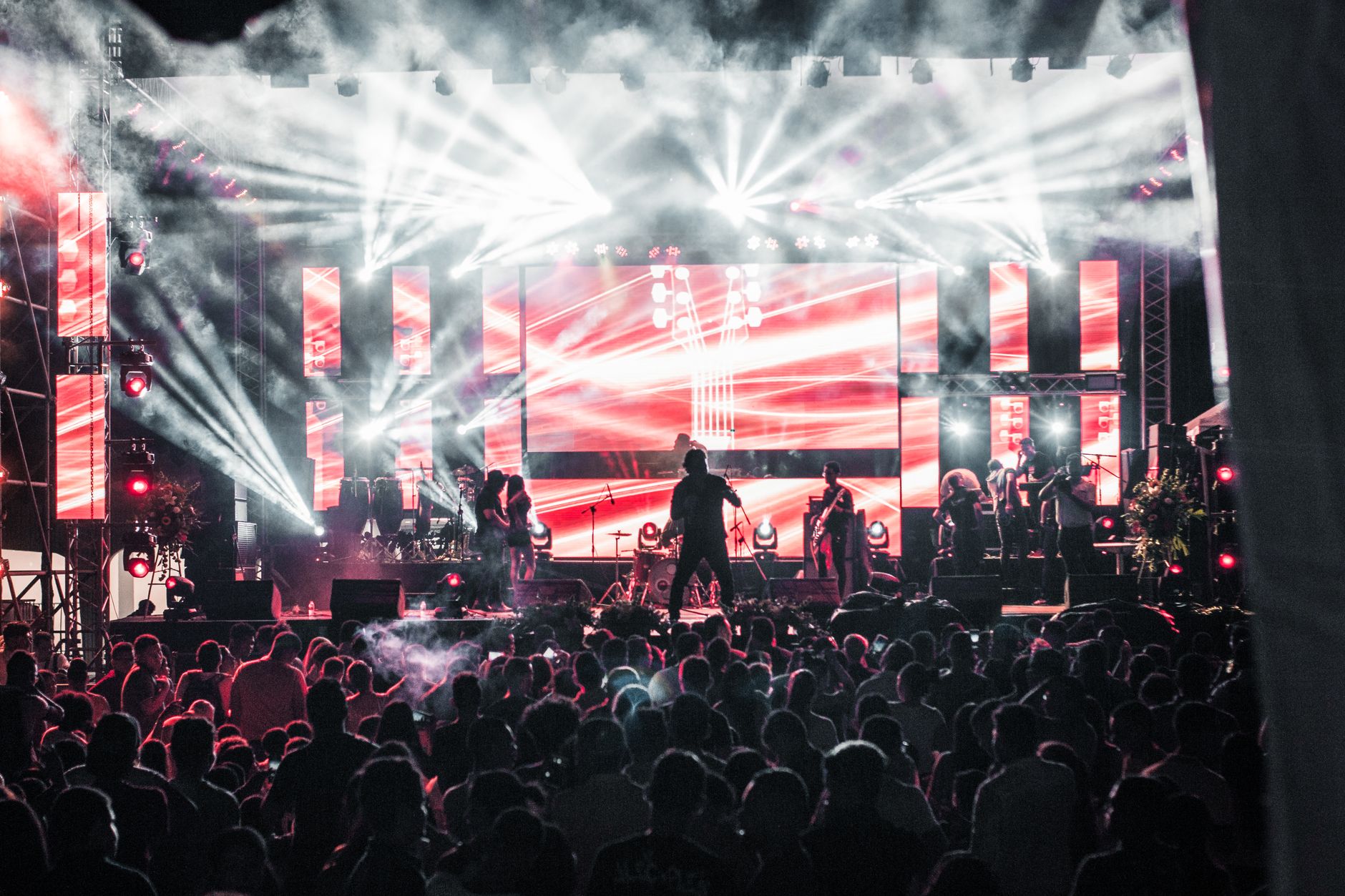
Nairobi runs on a weekly rhythm rather than a fixed venue list. Thursday is the big live-band night, anchored by the long-running sessions at the Alchemist on Parklands Road and band nights at Geco Café on Ngong Road. Friday is club night in Westlands and Kilimani, with queues from 11pm. Saturday is nyama choma from mid-afternoon into a late set at K1 Klub House. Sunday is the city's best-kept habit: afternoon sundowner sessions with DJs from 3pm to 9pm, which is a gentler and cheaper way to see the same crowd.
For actual jazz, look at Mercury Lounge at the Village Market and Westgate, hotel terraces in Westlands and Upper Hill that book trios for Friday happy hour, and occasional ticketed shows at the Kenya National Theatre on Harry Thuku Road and Alliance Française on Loita Street, usually KSh1,000 to KSh2,500. Benga and rumba nights float between venues, so check Instagram the same week. Cover charges across the city range from free to about KSh1,000, with international DJ nights going to KSh2,500 and up.
Costs, dress codes and getting home
Budget by belt. A local pub on Ngong Road or in Kilimani charges KSh200 to KSh300 for a 500ml Tusker; a Westlands bar KSh350 to KSh500; a hotel rooftop KSh600 to KSh800. Cocktails run KSh900 to KSh1,400 in the smart rooms, house spirits KSh400 to KSh600, and a bottle of whisky with mixers for a table starts near KSh8,000. Nyama choma to share is roughly KSh1,200 to KSh1,800 a kilo. A reasonable big night in Westlands, with entry, four drinks and food, lands around KSh4,500 to KSh6,000 a head.
Dress smart-casual: closed shoes, no beach sandals, and shorts will be turned away at Kiza and most Kilimani lounges. Pay by card where you can, keep one card and about KSh3,000 in cash, and settle each round rather than running a tab. For the ride home, use Uber, Bolt or Little rather than a street car; a Westlands to Kilimani hop is roughly KSh400 to KSh700, Westlands to the CBD similar, and surge on Friday after 2am can double it. Wait inside the venue until your driver is at the gate.
Questions, answered
What is the best area for nightlife in Nairobi?
Westlands, without much argument. Woodvale Grove, Mpaka Road, Ojijo Road and Parklands Road hold the greatest number of good bars and clubs within walking distance of each other, which also means you can get home for KSh300 or on foot. Kilimani along Lenana Road and Chania Avenue is the smarter, calmer alternative, and Ngong Road is the cheapest for live music.
How much does a beer cost in Nairobi?
A 500ml Tusker is about KSh200 to KSh300 in a neighbourhood pub, KSh350 to KSh500 in a Westlands or Kilimani bar, and KSh600 to KSh800 on a hotel rooftop. Craft beer at Brew Bistro runs KSh450 to KSh600. Cocktails are KSh900 to KSh1,400 in the better rooms, and bottle service starts around KSh8,000.
How late do bars and clubs stay open in Nairobi?
Bars generally serve until 11pm or midnight on weekdays and 1am to 3am on Friday and Saturday, with the bigger Westlands and Kilimani clubs going latest. Sunday is different: afternoon sessions from about 3pm wind down by 9pm or 10pm. Kitchens usually stop earlier than the bar, often by 10.30pm, so eat before you settle in.
Is Nairobi nightlife safe for tourists?
In Westlands, Kilimani and Karen, yes, with normal precautions: arrive and leave by ride-hail, do not walk between venues after midnight even if the distance is short, watch your drink, and carry one card plus a small amount of cash. The real risk zone is the CBD after dark, especially Koinange Street, Tom Mboya Street and River Road. Never accept a lift or a venue suggestion from a stranger who approaches you.
Is there a dress code for Nairobi clubs?
Yes at the smarter venues. Kiza in Kilimani, J's on Ojijo Road and most hotel rooftops expect closed shoes and no shorts or sports kit; men in sandals get turned away. The Alchemist, K1 Klub House and Geco Café are relaxed, but even there closed shoes are a good idea because the yards get muddy in the rains.
Which night of the week is best to go out in Nairobi?
Thursday for live bands, Friday for clubs, Saturday for nyama choma that rolls into a late set, and Sunday afternoon for the city's signature daytime sundowner sessions. Monday to Wednesday are quiet almost everywhere except a handful of Westlands bars with karaoke or quiz nights. If you only have one night, take Friday in Westlands or Thursday at the Alchemist.
Doing good is the business: every booking through Stay Nairobi funds one verified tonne of carbon removal — same room, same price, no markup.
Start your search