
Essentials
Safety and street smarts in Nairobi
Nairobi's reputation runs harder than its reality, but the risks are specific and predictable. Follow about six rules — starting with never walking after 6.30pm sunset — and most visits pass without incident.
The honest risk picture
Nairobi's crime is overwhelmingly opportunistic and property-focused: phone snatching, bag slashing, pickpocketing in crowds, and occasional muggings on quiet streets after dark. Violent crime against visitors is rare and almost always follows resistance during a robbery. The nickname Nairobbery is decades old and predates the city's significant investment in CCTV, private security and lighting in the areas most visitors use. Millions of people move around this city daily without trouble, and the difference between a smooth trip and a bad one is usually behavioural rather than luck.
Risk concentrates sharply by place and hour. The CBD after offices empty around 7pm, the area around Machakos Country Bus station, River Road, and the fringes of Eastleigh carry real risk. Westlands, Kilimani, Lavington, Karen, Gigiri and Parklands are low-risk by day and fine at night if you move by car. The single behaviour that produces the most incidents is walking between places after dark, and the single fix is a KSh300 ride-hail. Treat that as non-negotiable and you have removed most of your exposure.
The six rules that matter
One: do not walk after dark, anywhere, including short hops between a bar and a hotel in Westlands. Sunset is around 6.30pm year-round. Two: keep your phone in your pocket on the street; phone snatching from hands and matatu windows is the most common single crime. Three: carry only what you need — one card, KSh3,000 to KSh5,000, a copy of your passport, leaving the original in a hotel safe. Four: use ride-hail apps rather than street taxis, so the trip is tracked and priced.
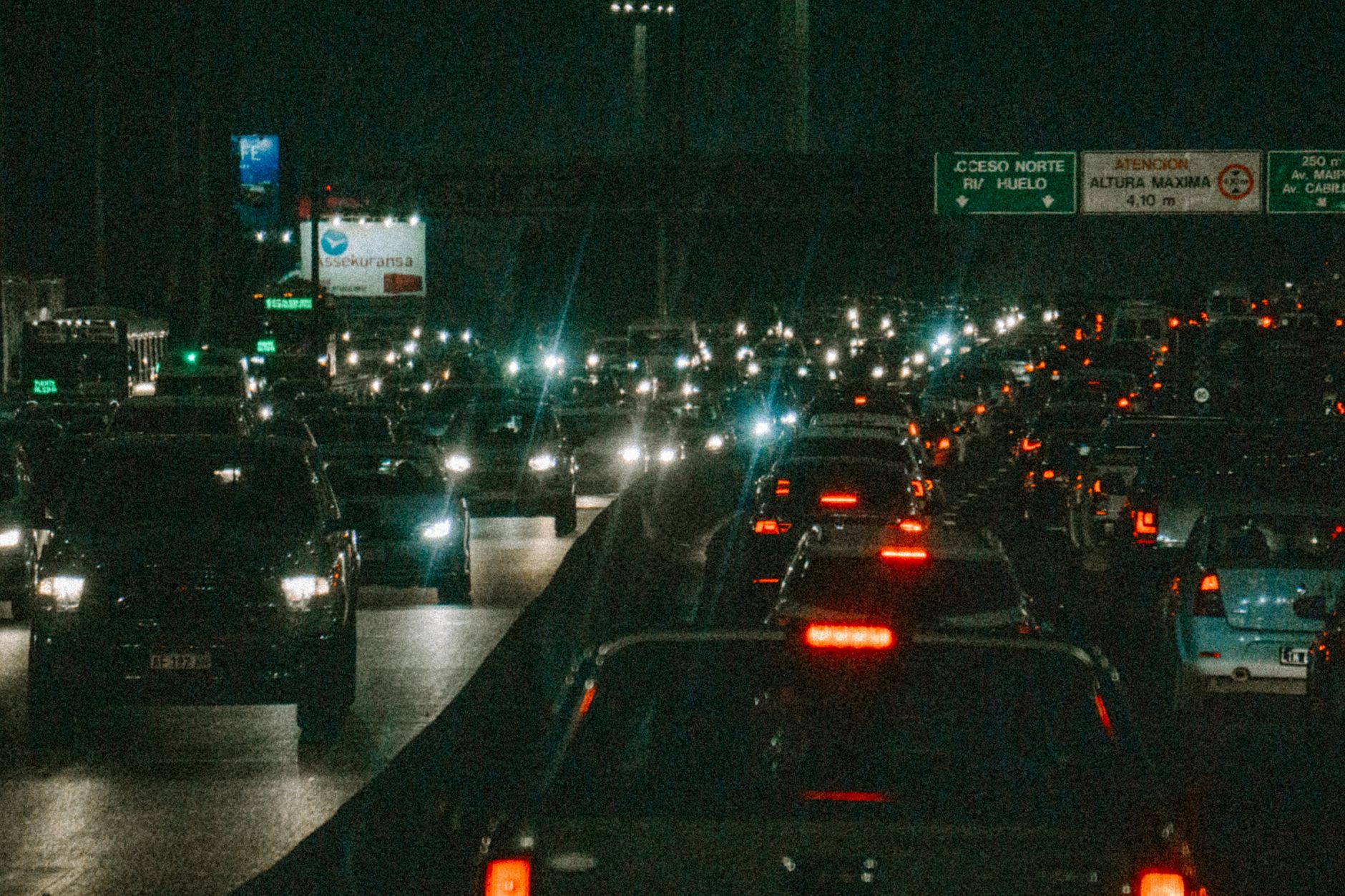
Five: in a vehicle, keep windows up and doors locked in slow traffic, especially at known junction hotspots on Uhuru Highway, Ngong Road and Mombasa Road, and keep bags in the footwell rather than on the seat. Six: if robbed, hand things over immediately and do not chase. Everything you are carrying is replaceable and insurers know this. Beyond those six, ordinary big-city sense covers the rest — do not get drunk alone, do not accept drinks you did not watch being poured, and tell someone your plans.
Areas: where to relax and where to concentrate
Comfortable by day and reasonable by night with a car: Westlands, Kilimani, Lavington, Karen, Lang’ata, Gigiri, Runda, Parklands, Upper Hill. These are where the visitor accommodation is, they have compound security and lighting, and residents move around them normally. Malls — Sarit Centre, Westgate, Yaya, Village Market, The Hub in Karen — have airport-style screening at entrances and are among the safest public spaces in the city.
Concentrate hard in the CBD around Tom Mboya Street, Moi Avenue, River Road and the bus stages, where pickpocketing is routine and crowds are dense. Do not go into Kibera, Mathare or Eastleigh independently; go with an established community-run tour operator or not at all, and understand that photography there without permission is both rude and provocative. Avoid the Uhuru Park and Central Park edges after dusk. Political demonstrations, which cluster around Uhuru Highway, parliament and the CBD, can turn quickly — leave the area rather than watching.
Transport safety specifics
Ride-hail is the safest option: check the plate against the app, sit in the back, share the trip, and do not accept a driver's request to switch to a cash off-app arrangement. Matatus are safe enough by day if you keep your bag on your lap and your phone away, and are best avoided after dark, particularly at CBD terminals. Boda-bodas carry a genuine road-accident risk that dwarfs the crime risk; if you use one, book through an app, wear the helmet, and never at night or in rain.
If you are driving, do not stop for anyone flagging you down on a highway at night, and be alert at the Uhuru Highway and Haile Selassie junctions in stationary traffic. Park in secured lots — mall parking at KSh100 to KSh300 is worth it over street parking. At Jomo Kenyatta International Airport, use only the marked taxi bays or app pickup points and ignore anyone offering help with bags inside the terminal. Long-distance buses toward Naivasha, Nakuru or Machakos are fine; use established operators from proper depots rather than roadside pickups.
Health, water and practicalities
Tap water in Nairobi is not reliably drinkable; stick to bottled or filtered, which costs KSh50 to KSh80 for 500ml in a shop. Malaria risk in the city itself is very low at 1,795m, but any trip down toward Naivasha, the Rift Valley floor or the coast changes that, so check current advice and consider prophylaxis if you are heading out. Yellow fever certificates may be requested depending on your route. Altitude occasionally causes mild breathlessness in the first day; drink water and take it easy.
Medical care in Nairobi is the best in the region. Nairobi Hospital on Argwings Kodhek Road, Aga Khan University Hospital on 3rd Parklands Avenue, and MP Shah in Parklands all handle international patients and accept travel insurance, though many require payment upfront. Pharmacies are plentiful in Westlands, Kilimani and every mall. Carry travel insurance that covers evacuation if you are doing any safari or hiking. Air quality on major roads is poor; if you have asthma, avoid walking alongside Waiyaki Way or Ngong Road at rush hour.
Solo, female and LGBTQ travellers
Solo travel in Nairobi is entirely workable with the rules above. Solo women report street harassment as verbal rather than physical, most commonly in the CBD and around matatu stages, and it typically stops with a firm, non-engaging response. Dress is fairly conservative outside Westlands and Kilimani nightlife; covering shoulders and knees in the CBD and at markets attracts less attention. Staying in a serviced apartment building with a manned gate in Kilimani or Westlands, at KSh5,500 to KSh9,000 a night, gives you the security layer that matters most.
Kenya criminalises same-sex relations under colonial-era laws, and while enforcement against visitors is essentially unheard of, public displays of affection between same-sex couples will attract hostility. Nairobi has a discreet but real queer social scene in Westlands and Kilimani, operating on word of mouth. Same-sex couples routinely book together without issue at international-brand hotels and serviced apartments; smaller guesthouses vary. Discretion in public is the practical norm that residents themselves follow.
Questions, answered
Is Nairobi safe for tourists?
Yes, with specific precautions. The realistic risks are phone snatching, pickpocketing in crowded CBD areas, and mugging if you walk after dark. Violent crime against visitors is rare. Stay in Westlands, Kilimani, Lavington, Karen or Gigiri, use ride-hail apps after sunset at around 6.30pm, keep your phone out of sight on the street, and carry only what you need.
Can you walk around Nairobi at night?
No, and residents do not either. Sunset is about 6.30pm year-round and the standard local practice is to move by car after that, even for a 400-metre trip between a Westlands restaurant and a hotel. A ride-hail costs KSh300 to KSh500 and removes the single largest source of incidents involving visitors.
Which parts of Nairobi should I avoid?
River Road, Tom Mboya Street and the Machakos Country Bus station area, especially after dark, plus the CBD generally once offices empty around 7pm. Do not enter Kibera, Mathare or Eastleigh independently — go with an established community tour operator if you go at all. Avoid the edges of Uhuru Park after dusk and any political demonstration.
Is Nairobi tap water safe to drink?
Not reliably. Use bottled or filtered water, which costs KSh50 to KSh80 for 500ml in a supermarket and around KSh200 in a hotel. Ice in established restaurants and hotels is generally made from treated water and is fine. Many apartments and hotels provide a filter or dispenser; ask when you check in rather than assuming.
Do I need malaria tablets for Nairobi?
Nairobi city sits at 1,795m where malaria transmission is very low, and most visitors staying only in the city do not take prophylaxis. If your trip includes the Rift Valley floor around Naivasha or Nakuru, the Maasai Mara, or the coast, the risk rises significantly. Check current medical advice before travel and use repellent regardless, since dengue also occurs.
Doing good is the business: every booking through Stay Nairobi funds one verified tonne of carbon removal — same room, same price, no markup.
Start your search