Ola-Booking
★★★ Kileleshwa · Nairobi
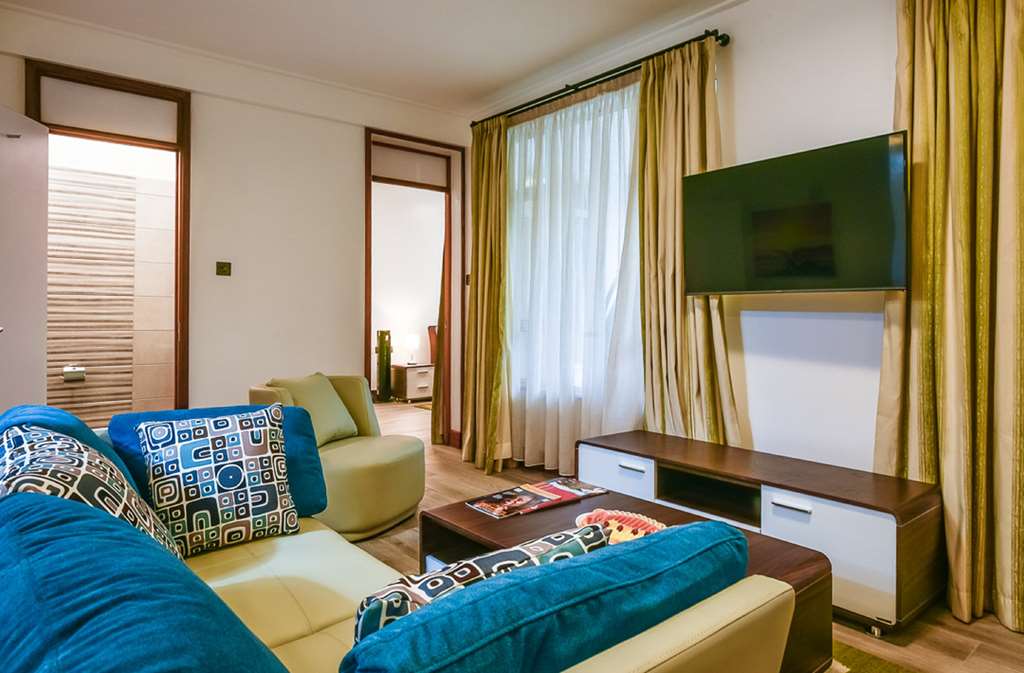
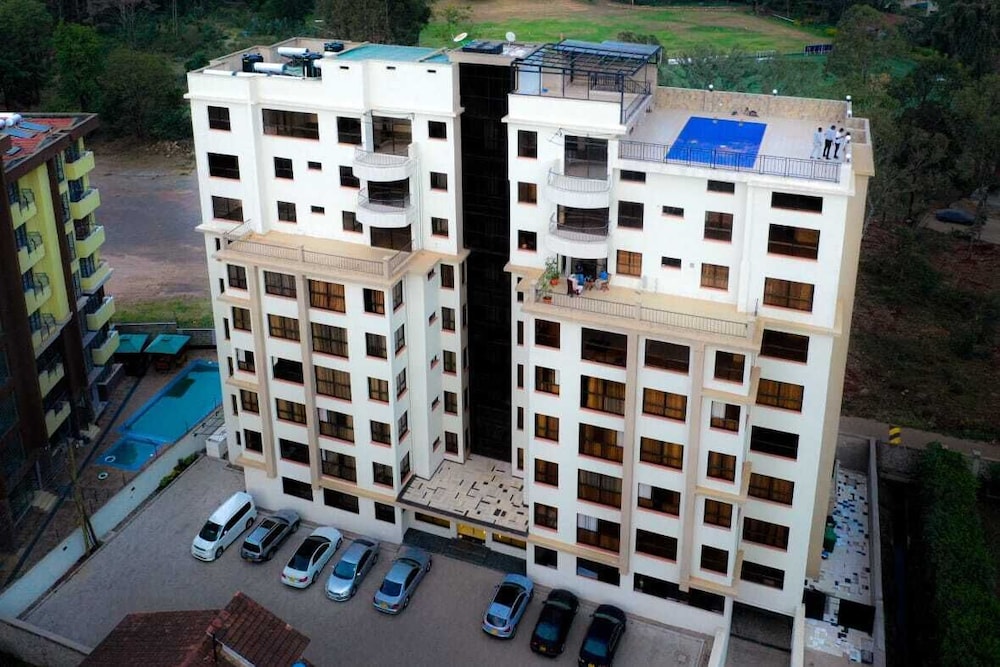
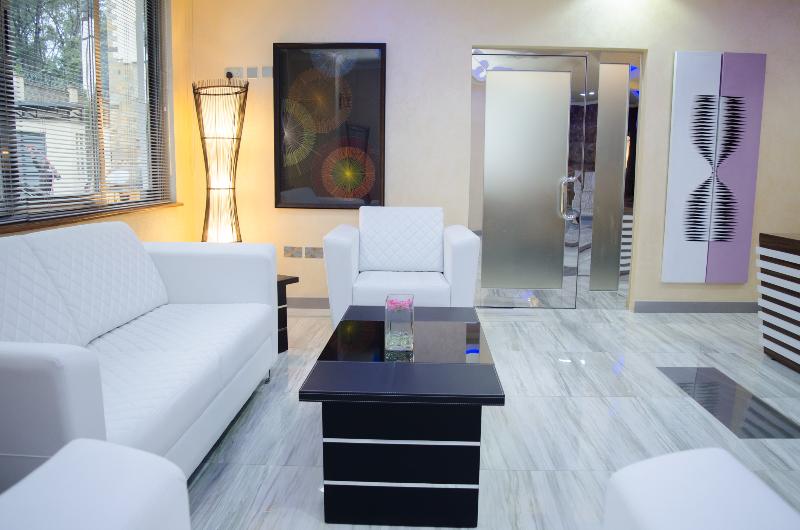
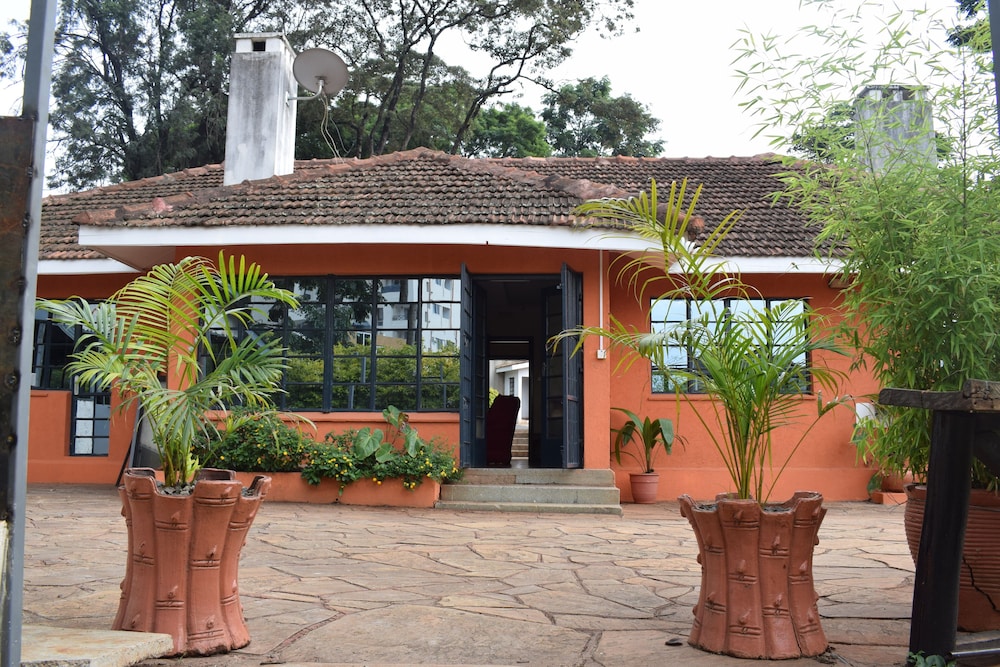
Classic Guest Houss
Room
Room
Room
Room +1 photos

Classic Guest Houss

Mandera Rd, Nairobi, Kenya

Classic Guest Houss is a 3-star hotel in Kileleshwa, Nairobi, a sensible choice for sightseeing around Uhuru Park without overspending.

Guests typically choose Kileleshwa for its balance of location and price; Classic Guest Houss is a good fit if you want to be near the action in Nairobi.

Because pricing is set live by the hotel and its suppliers, the figure shown here is a recent snapshot; check the current rate for your exact dates before booking.

Key facts

Class
3-star
Area
Kileleshwa
Address
Mandera Rd, Nairobi, Kenya

What’s included

Bar/Snack/CafEn' Breakfast Cafe Coffee Dry cleaning service Free car parking Garden Laundry Service Shuttle service Smoking area Wheelchair accessible

What hotels actually cost in Nairobi

Budget beds in Nairobi run KSh 2,500–6,000 a night — guesthouses in Parklands and Ngara, backpacker dorms in Karen and Langata from around KSh 1,800 — and usually include breakfast and hot water but not reliable back-up power. Mid-range three- and four-star rooms in Kilimani, Kileleshwa, Upper Hill and Westlands sit at KSh 7,000–22,000, which buys a proper generator, secure parking, a small pool and airport pickup on request. Serviced apartments in Lavington and Kileleshwa are the value play for stays of four nights or more, typically KSh 6,000–12,000 a night with weekly rates cutting that further. The five-star tier — Westlands, Gigiri, Upper Hill and Karen — runs KSh 28,000–65,000, and the handful of trophy properties around Langato and Karen go far beyond KSh 150,000 per person.

Nairobi is a business city first, so the pricing runs opposite to a beach town: Friday, Saturday and Sunday nights in Westlands, Upper Hill and Gigiri are often 20–30% cheaper than a Tuesday. Rates spike from about 18 December to 2 January, over Easter, through July and August, and during major conference weeks at the UN complex in Gigiri or the KICC in the CBD. Watch the small print — many Nairobi hotels quote net rates and add 16% VAT plus the 2% catering levy at checkout, which turns a KSh 10,000 headline into about KSh 11,800. Always check whether breakfast and the airport transfer are in or out before you compare two properties.

Resident rates, park fees and the Nairobi booking traps

The trap that catches most visitors is the two-tier pricing that runs through everything here. Hotels, lodges and Kenya Wildlife Service all publish separate resident and non-resident rates, and the resident price needs a Kenyan ID, work permit or dependant's pass at check-in — booking the cheaper rate without one means paying the difference at the desk. Park fees follow the same logic: Nairobi National Park is roughly KSh 430 for a resident adult and around KSh 5,500 for a non-resident, Lake Nakuru is considerably more, and KWS gates are cashless, so you pay by card or M-Pesa through eCitizen before you arrive rather than handing over notes at the barrier. Get a local SIM at JKIA on arrival if only for M-Pesa, which is how you will pay for parking, matatus and half the restaurants.

The season nobody expects is July and August — visitors pack for the equator and find 12°C nights, cloud that sits on the city for days and hotel pools nobody uses, all at peak prices because the Mara is in full swing. If you want warm and dry, come in January, February or October instead. The areas people wrongly skip are Parklands and the CBD: Parklands has the city's best-value mid-range rooms and its Indian food, five minutes from Westlands, while the CBD puts the Nairobi National Museum, the Railway Museum and the KICC within walking distance for half the Westlands price. Both are fine by day; take a taxi rather than walk in the CBD after dark, which is the same advice locals give each other.

Where to stay in Nairobi: the areas compared

Stay in Westlands or Kilimani if this is your first visit to Nairobi and you want restaurants, malls and short taxi rides; stay in Karen if you are here for Nairobi National Park, the Sheldrick elephant orphanage and early flights out of Wilson Airport. Westlands sits about 5 km northwest of the CBD around Waiyaki Way and Woodvale Grove, with the widest spread of four-star rooms, usually KSh 9,000–25,000. Kilimani and neighbouring Kileleshwa and Lavington are quieter residential grids off Ngong Road and Argwings Kodhek Road, strong on serviced apartments at roughly KSh 6,000–15,000 a night. The CBD and Parklands are the cheapest beds in the city, commonly KSh 3,500–8,000, and the CBD puts you within walking distance of the Nairobi National Museum on Museum Hill, the Railway Museum and the matatu ranks.

Gigiri is the diplomatic quarter around the UN complex on Limuru Road and Village Market, about 11 km from the CBD; it is calm, green and priced for expense accounts at KSh 20,000–45,000. Muthaiga and Runda next door are almost entirely residential, so what you book there is a guesthouse or a serviced villa rather than a hotel. Karen, 17 km southwest of the centre, trades city convenience for space, gardens and 15 minutes to Wilson Airport, with rates from about KSh 12,000 up to well past KSh 60,000 at the top end. If you are heading out of the city, Naivasha and Nakuru serve the Rift Valley parks, Nyeri and Nanyuki serve the Aberdares, Mount Kenya and Ol Pejeta, and Machakos and Kajiado are day-trip country for Ol Donyo Sabuk, the Ngong Hills and the long road to Amboseli.

Questions, answered

Where is Classic Guest Houss located?
Classic Guest Houss is in Kileleshwa, Nairobi (Mandera Rd, Nairobi, Kenya), close to Uhuru Park.
How much does Classic Guest Houss cost per night?
Prices are set live by the hotel — check the booking page for a real rate for your dates.
How many stars is Classic Guest Houss?
Classic Guest Houss is a 3-star hotel in Nairobi.
Is Nairobi walkable?
Parts of it are. The CBD grid around Kenyatta Avenue, Moi Avenue and City Hall Way is genuinely walkable by day, as is Westlands around Woodvale Grove and the strip of Village Market in Gigiri. Between neighbourhoods it is not: the CBD to Westlands is 5 km along Waiyaki Way with poor pavement, and Karen is 17 km out. Kilimani and Kileleshwa are pleasant to stroll but have long blocks and few crossings. After dark, take a taxi anywhere in the CBD rather than walking, which is what Nairobi residents do themselves.
Can you really see wildlife in Nairobi without leaving the city?
Yes — Nairobi is the only capital with a national park on its doorstep, and the Langata Road main gate is about 7 km from the CBD. Nairobi National Park covers 117 km² and holds lion, black rhino, buffalo, giraffe and cheetah, with the city skyline behind them; there are no elephants, which is why the Sheldrick orphanage next door exists. Gates open at 06:00 and the first two hours are by far the best; entry is roughly KSh 430 for residents and around KSh 5,500 for non-residents, paid cashless through eCitizen. A half-day drive here plus the Giraffe Centre makes a genuine safari morning without ever leaving Nairobi County.
Which is the best area to stay in Nairobi?
Westlands is the best all-round base for a first visit to Nairobi, with the widest choice of four-star rooms at KSh 9,000–25,000 and short taxi hops to Gigiri, Kilimani and the CBD. Choose Karen instead if your trip is built around Nairobi National Park, the Sheldrick orphanage and a dawn flight from Wilson Airport, which is 8 km away. Kilimani, Kileleshwa and Lavington suit longer stays and serviced apartments at KSh 6,000–15,000. Gigiri is calm and expensive at KSh 20,000–45,000, and Parklands or the CBD are where you go to spend KSh 3,500–8,000 and still be central.
What is the cheapest month to visit Nairobi?
May is the cheapest month, at the tail of the long rains, when Westlands and Kilimani hotels commonly sit 25–40% below their January rates. April is close behind, and early November during the short rains is the third option. The rain in Nairobi usually falls in heavy bursts rather than all day, so a 06:00 game drive in Nairobi National Park often still happens — just insist on a 4x4, because the black-cotton tracks get slippery. The trade-off is long grass, which makes cats harder to spot than in September or February.
How many nights do I need in Nairobi?
Three nights covers Nairobi properly: one morning in Nairobi National Park with the Karen circuit of Sheldrick, the Giraffe Centre and the Karen Blixen Museum, one day for the National Museum, Railway Museum and Bomas of Kenya, and one for markets and eating. Add two more nights and you can run out to Naivasha, 90 km up the A104, for Hell's Gate and Crescent Island. Nanyuki and Ol Pejeta, 200 km north, deserve two nights of their own rather than a day trip. Fewer than two nights and you will spend most of your time in Waiyaki Way traffic.
Find your Nairobi base
Compare real rates across the city and the Rift Valley towns, and fund a verified tonne of carbon removal with every booking.
Search hotels