Imani Suites Runda
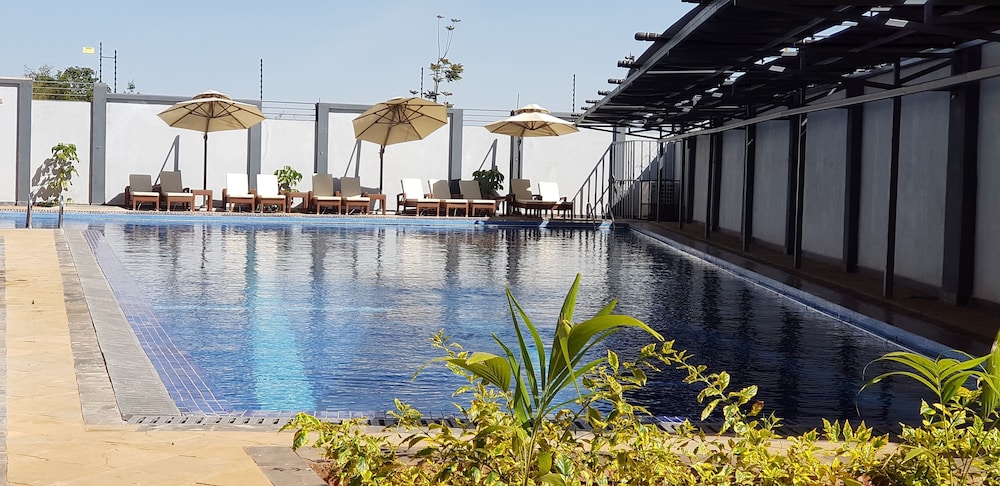
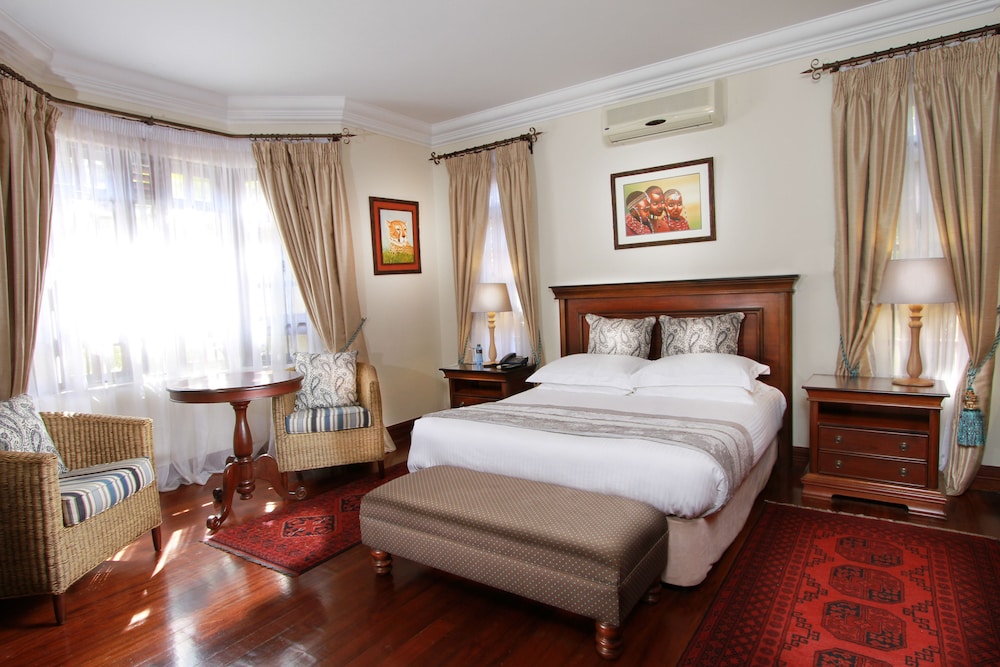
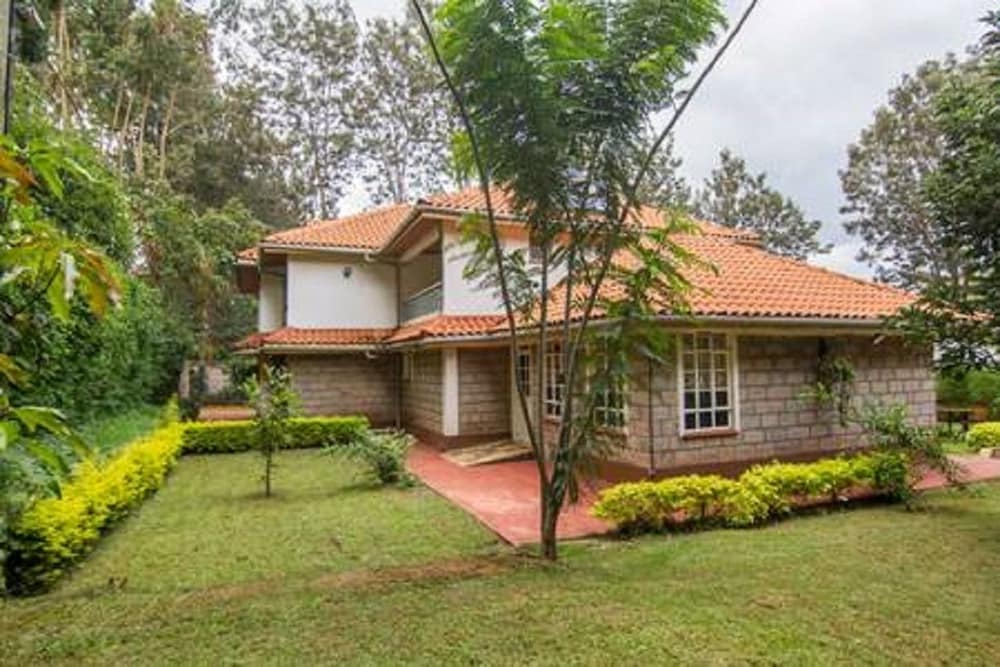
Imani Suites Runda is a 3-star hotel in Runda, Nairobi, a sensible choice for sightseeing around Giraffe Centre without overspending.
Guests typically choose Runda for its balance of location and price; Imani Suites Runda is a good fit if you want to be near the action in Nairobi.
Because pricing is set live by the hotel and its suppliers, the figure shown here is a recent snapshot; check the current rate for your exact dates before booking.
Key facts
What’s included
Around Runda
How many nights in Nairobi, and a first-timer's itinerary
Three nights is the sensible minimum for Nairobi and five lets you add a park trip without rushing. Day one: be at the Langata Road main gate of Nairobi National Park at 06:00 for a three-hour drive over its 117 km² of plains, then the David Sheldrick orphanage feeding, the Giraffe Centre and the Karen Blixen Museum, all within a few kilometres of each other in Karen and Langata. Day two: the Nairobi National Museum and Snake Park on Museum Hill, the Railway Museum near the old station, and Bomas of Kenya off Forest Edge Road, finishing with dinner in Westlands or Kilimani. Day three is for the Maasai Market, which rotates by day of the week — Village Market in Gigiri on Friday, Yaya Centre in Kilimani on Sunday — plus whatever you missed.
With five to seven nights, keep two or three nights in the city and run one trip out. Naivasha at 90 km is the easiest: Hell's Gate on a hired bicycle, a walking safari on Crescent Island, and back the same evening if you must. Nakuru at 160 km gives you Lake Nakuru National Park, its rhino and its flamingos; Nyeri and the Aberdares at about 150 km suit a cooler, forested overnight; and Nanyuki at 200 km is the base for Ol Pejeta and the Sirimon route up Mount Kenya, worth two nights minimum. Machakos and Kajiado work as single days out of Nairobi rather than stays, unless you are pushing on to Amboseli.
What hotels actually cost in Nairobi
Budget beds in Nairobi run KSh 2,500–6,000 a night — guesthouses in Parklands and Ngara, backpacker dorms in Karen and Langata from around KSh 1,800 — and usually include breakfast and hot water but not reliable back-up power. Mid-range three- and four-star rooms in Kilimani, Kileleshwa, Upper Hill and Westlands sit at KSh 7,000–22,000, which buys a proper generator, secure parking, a small pool and airport pickup on request. Serviced apartments in Lavington and Kileleshwa are the value play for stays of four nights or more, typically KSh 6,000–12,000 a night with weekly rates cutting that further. The five-star tier — Westlands, Gigiri, Upper Hill and Karen — runs KSh 28,000–65,000, and the handful of trophy properties around Langato and Karen go far beyond KSh 150,000 per person.
Nairobi is a business city first, so the pricing runs opposite to a beach town: Friday, Saturday and Sunday nights in Westlands, Upper Hill and Gigiri are often 20–30% cheaper than a Tuesday. Rates spike from about 18 December to 2 January, over Easter, through July and August, and during major conference weeks at the UN complex in Gigiri or the KICC in the CBD. Watch the small print — many Nairobi hotels quote net rates and add 16% VAT plus the 2% catering levy at checkout, which turns a KSh 10,000 headline into about KSh 11,800. Always check whether breakfast and the airport transfer are in or out before you compare two properties.
Resident rates, park fees and the Nairobi booking traps
The trap that catches most visitors is the two-tier pricing that runs through everything here. Hotels, lodges and Kenya Wildlife Service all publish separate resident and non-resident rates, and the resident price needs a Kenyan ID, work permit or dependant's pass at check-in — booking the cheaper rate without one means paying the difference at the desk. Park fees follow the same logic: Nairobi National Park is roughly KSh 430 for a resident adult and around KSh 5,500 for a non-resident, Lake Nakuru is considerably more, and KWS gates are cashless, so you pay by card or M-Pesa through eCitizen before you arrive rather than handing over notes at the barrier. Get a local SIM at JKIA on arrival if only for M-Pesa, which is how you will pay for parking, matatus and half the restaurants.
The season nobody expects is July and August — visitors pack for the equator and find 12°C nights, cloud that sits on the city for days and hotel pools nobody uses, all at peak prices because the Mara is in full swing. If you want warm and dry, come in January, February or October instead. The areas people wrongly skip are Parklands and the CBD: Parklands has the city's best-value mid-range rooms and its Indian food, five minutes from Westlands, while the CBD puts the Nairobi National Museum, the Railway Museum and the KICC within walking distance for half the Westlands price. Both are fine by day; take a taxi rather than walk in the CBD after dark, which is the same advice locals give each other.