
Museums
Hyrax Hill Prehistoric Site and Museum
Mary Leakey's 1937 excavation on a rocky ridge above Nakuru, where Neolithic settlements, burial mounds and Iron Age enclosures sit beside a small museum in an old farmhouse.
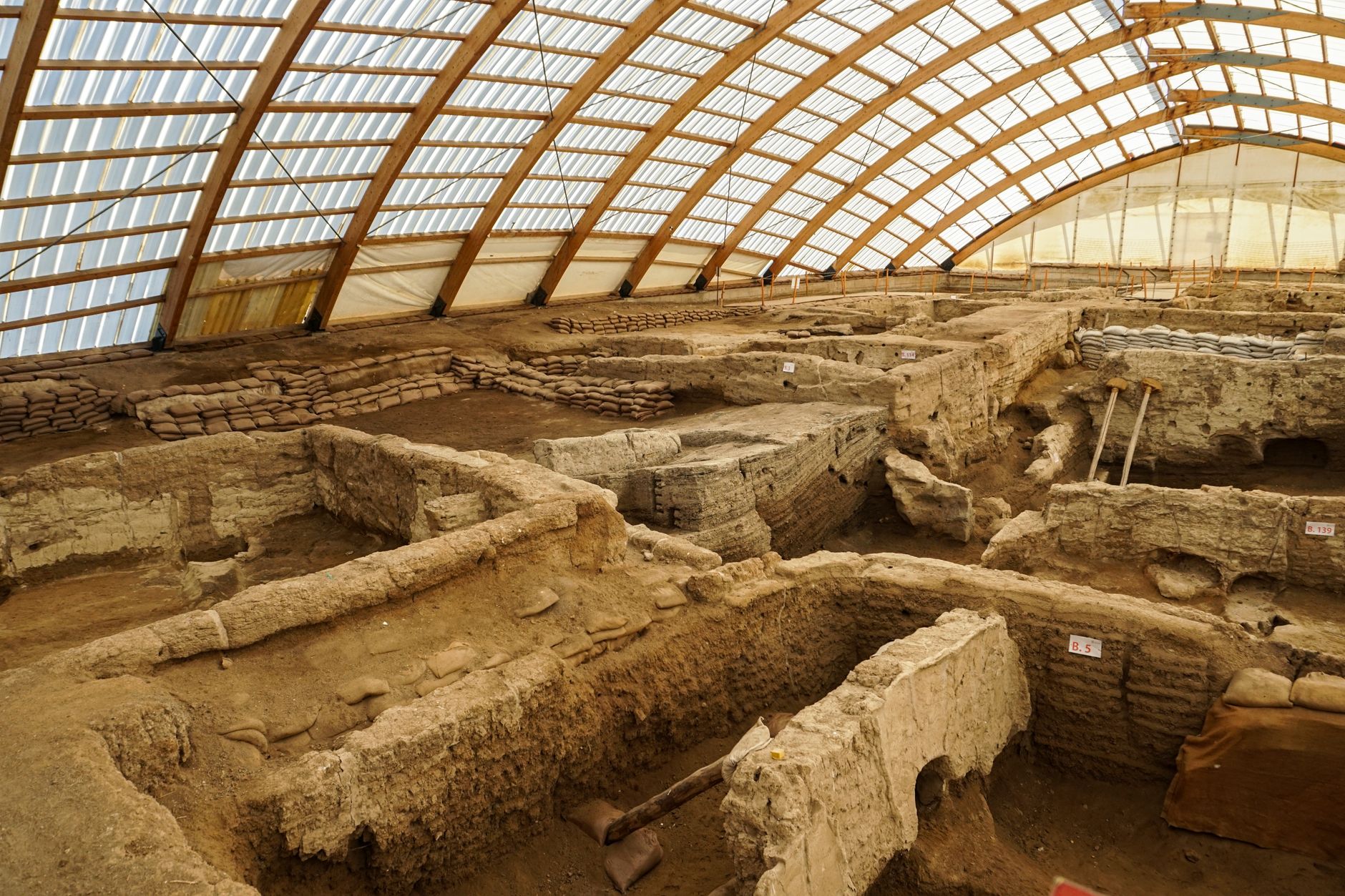
Hyrax Hill is a low volcanic ridge just outside Nakuru, named for the rock hyraxes that still live in its crevices, and one of the most important prehistoric sites in Kenya. Its archaeological richness was noted in 1926 by Louis Leakey, and Mary Leakey excavated here in 1937 and 1938, uncovering a Neolithic settlement, burial mounds, an Iron Age village and later occupation, with pottery, obsidian tools, beads, stone bowls and the famous Bao-like game boards cut into rock. The site was gazetted a national monument in 1943 and the museum, housed in a farmhouse dating from the colonial era, opened in 1965 under what is now National Museums of Kenya. The ridge overlooks the Rift Valley floor where Lake Nakuru once stood far higher, which is exactly why people settled here thousands of years ago.
The visit combines a small indoor collection with a walk over the hill, and the walk is the better half. Inside the farmhouse, cases hold excavated pottery, obsidian blades, grinding stones, beads and burial finds, with panels explaining the Neolithic and Iron Age sequences and the Leakeys' work. A guide then takes you out onto the ridge: the north-east village site with its stone-walled enclosures and hut circles, the Neolithic burial mounds where skeletons were found, the pit dwellings and the rock-cut depressions interpreted as game boards. The climb to the top of the ridge takes ten minutes on a rough path and rewards you with a wide Rift Valley view over Nakuru town, the farms and, in clear weather, the rim of Menengai crater to the north.
Plan 60-90 minutes and take the guide, because without commentary the stone enclosures read as piles of rock. No booking is needed. Wear closed shoes and long trousers, as the paths are stony, thorny in places and hot by mid-morning; carry water since there is no cafe. Skip it in the heat of early afternoon if you can, and skip the ridge climb entirely if you are unsteady on rough ground, as the indoor collection and the lower village site are the flat part. Do not skip the game boards, which are the detail everyone remembers. Combine it with Lake Nakuru National Park, whose main gate is a short drive away.
The site lies off the Nakuru-Naivasha highway roughly 4 km south-east of Nakuru town centre, on a signed turning near Lanet. From Nakuru it is a ten-minute drive or a matatu ride towards Lanet for around KSh50-100, dropping at the turning and walking about fifteen minutes uphill to the gate, which is manageable but exposed. A taxi or ride-hailing trip from central Nakuru typically costs KSh300-600 each way, and it is worth agreeing a return since vehicles are not always waiting at the gate. From Nairobi the site is about 160 km north-west via the A8 Nairobi-Nakuru highway, two and a half to three and a half hours by car, or by frequent matatu and shuttle from the CBD to Nakuru town for roughly KSh500-900 before the last local hop. There is free parking inside the gate.
Pricing follows the National Museums of Kenya tiers, at the lower end. Non-resident adults pay in the region of KSh500 with non-resident children about half; East African residents pay a middle rate and Kenyan citizens a low one, adults in the low hundreds of shillings. The guided site walk is normally included in the ticket, which is the best value on offer here, though a tip of KSh200-500 is appropriate for a good guide. There is nothing else to spend money on: no cafe, no shop of substance, no parking charge. Professional photography and research access need prior arrangement with National Museums of Kenya. Prices are posted at the desk and are revised periodically, so treat these as indicative and carry cash, since card facilities out here are unreliable.
Come between 9:30 and 11:30 or after 16:00. The ridge is fully exposed and the middle of the day is punishing, particularly in the hot, dry months of January to March. The site opens daily, holidays included, so there is no closed day to plan around, though staffing is thin and a guide is more likely on a weekday. School groups from Nakuru arrive during term time and can fill the small museum for half an hour. The best months are the drier stretches of January to early March and July to October, when the paths are firm and the Rift Valley view is clear; during the April-May long rains the hill grass is high, the stone circles are harder to read and the path up the ridge becomes slippery.
It suits anyone with an interest in archaeology or human prehistory, and it suits travellers already heading to Lake Nakuru who want an hour of substance beyond wildlife. Walkers and photographers enjoy the ridge. Teenagers studying history engage well when the guide is good. Wheelchair users can see the museum building and little else; the site paths are stone, grass and slope, and the ridge is not accessible. Families with young children manage the museum and the lower enclosures but should be careful of loose rock and thorns. Those who should skip it are visitors who need polished interpretation and interactive displays, and anyone with only one afternoon in Nakuru, which is better spent inside the national park.
Nearby, the Rift Valley opens up. Lake Nakuru National Park's Lanet gate is a short drive from the site and the main gate is about fifteen minutes away, which makes Hyrax Hill the natural morning stop before an afternoon game drive. Menengai crater, with its viewpoint over a vast caldera, is about 20-25 minutes north of Nakuru town. Lake Naivasha, with its boat trips and Crescent Island walking safari, is roughly an hour and a half back down the highway towards Nairobi. Nakuru town itself has plainly priced hotels and guesthouses that work well as a two-night base, which is the sensible way to fit the Rift Valley into a Kenyan week rather than attempting it as a long day trip from Nairobi.
The honest caveats. Hyrax Hill is a modest site and it is presented modestly: a small farmhouse museum with dated cases, faded panels and the occasional empty display, and an outdoor site where the archaeology takes real imagination without a guide. If no guide is available when you arrive, the value of the ticket drops sharply, so ask at the desk before you pay. Nothing here is monumental; there are no standing structures and no reconstructed dwellings, only foundations, mounds and depressions in rock. The walk up the ridge is short but genuinely rough. And do not come expecting hyraxes on demand, though they are usually about in the rocks in the cooler hours.
Hours & entry
Not free
Daily 9:30-18:00 · Public holidays 9:30-18:00 · Guided site walks on request until 17:00
What to see
{'what': 'Rock-cut game boards', 'where': 'North-east village site on the ridge'}
{'what': 'Neolithic burial mounds', 'where': 'Southern slope excavation area'}
{'what': 'Obsidian tools and excavated pottery', 'where': 'Museum cases in the old farmhouse'}
Tips from the ground
Ask for a guide before you pay; the stone enclosures make little sense unguided.
Closed shoes and water: the ridge has no shade and the paths are stony.
Pair it with a Lake Nakuru National Park afternoon; the gates are minutes away.
Questions, answered
How much is entry to Hyrax Hill?
Non-resident adults pay roughly KSh500 and non-resident children about half, while East African residents pay a middle tier and Kenyan citizens a low rate with adults in the low hundreds of shillings. The guided walk over the excavation site is normally included in the ticket, though a tip of KSh200-500 for a good guide is customary. Parking inside the gate is free and there is no cafe or shop, so the ticket is essentially the whole cost. Carry cash.
Is there ever free entry?
No. The site charges during all opening hours and there is no free day or free hour. School groups from Nakuru negotiate reduced group rates in advance through National Museums of Kenya, and very young children are usually not charged. Because the fee is modest, the more relevant question on arrival is whether a guide is available, since the ticket delivers far less value if you walk the excavation area without commentary.
How long does a visit take?
One to two hours. Allow 20-30 minutes in the farmhouse museum among the pottery, obsidian tools and burial finds, and 40-60 minutes walking the site with a guide across the north-east village, the burial mounds, the pit dwellings and the rock-cut game boards. Add ten minutes each way for the climb to the ridge top and its Rift Valley view. Archaeology enthusiasts stay two hours; a quick museum-only visit takes 30 minutes.
What days is it closed?
None. Hyrax Hill opens daily from about 9:30 to 18:00, public holidays included. In practice guided site walks are offered until around 17:00, since the last hour is too late to cross the ridge comfortably, and staffing is lighter at weekends, so a weekday visit is more likely to come with a guide. Heavy rain in April and May can make the upper paths unsafe and the site walk may be curtailed.
Do I need to book?
Not for a normal visit; pay at the desk and go. It is worth telephoning ahead if you specifically want a guide, as the small staff can be committed to a school group, and booking is required for school parties, research access and professional photography, all through National Museums of Kenya. Tour operators running Nakuru itineraries will fold Hyrax Hill in on request, usually as the morning before an afternoon game drive.
How do I get there?
The site is off the Nakuru-Naivasha highway about 4 km south-east of Nakuru town, on a signed turning near Lanet. Matatus towards Lanet pass the turning for roughly KSh50-100, leaving a fifteen-minute uphill walk, and a taxi from central Nakuru costs about KSh300-600 each way, so agree a return. From Nairobi it is around 160 km on the A8, two and a half to three and a half hours by car, with matatus and shuttles to Nakuru from the CBD costing roughly KSh500-900.
Doing good is the business: every booking through Stay Nairobi funds one verified tonne of carbon removal — same room, same price, no markup.
Start your search